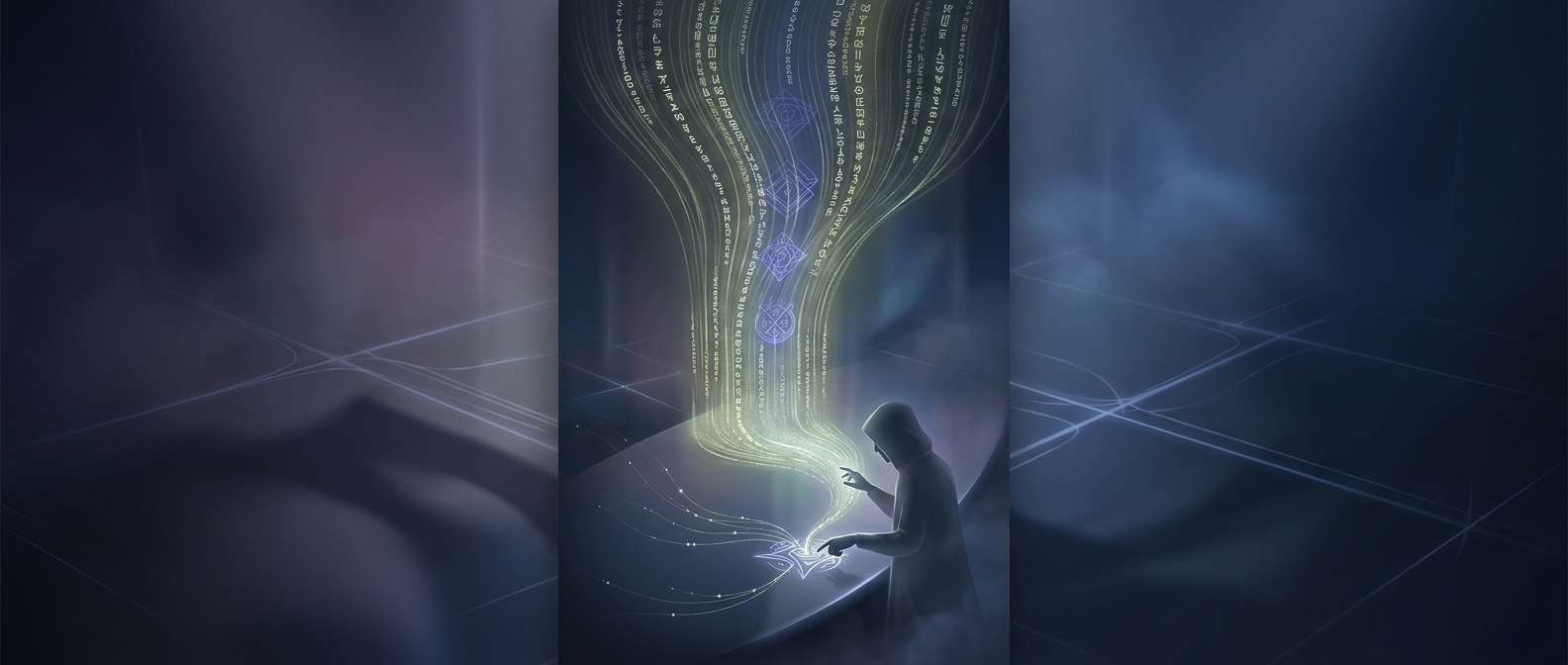
How a watermark can hide in ordinary wording
A language model usually chooses each next word from a range of plausible options, assigning each a probability. A text watermark can make a small, systematic adjustment to those odds: certain words become slightly more likely in particular contexts, while alternatives become slightly less likely. The change is designed to leave the passage readable and natural, not to insert a visible tag.
One altered choice means little; the same bias repeated across many choices can add up. A detector checks whether the text contains the expected statistical pattern more often than ordinary writing would. Depending on how the watermark is designed, that pattern can indicate that text came from a particular model or generation system.
The signal is subtle—and can be fragile
The technique relies on preserving enough of the model’s original word choices. A short passage may not contain enough evidence for a reliable detection, and editing, translating, or paraphrasing the text can weaken or erase the pattern. Conversely, the detector is looking for a statistical signal, not a visible mark that proves who wrote a passage.
That tradeoff is the point: a watermark can travel with generated text without changing its appearance, but its usefulness depends on having enough untouched text to recognize the hidden bias.