Why drive-thru voice bots can mishear an order
A drive-thru is a difficult place for speech recognition. The microphone has to pick out a customer’s words over engine noise, wind, music and voices from the car. It also has to interpret shorthand—“a meal,” “no pickles,” “make that two”—and connect each phrase to items the restaurant actually sells.
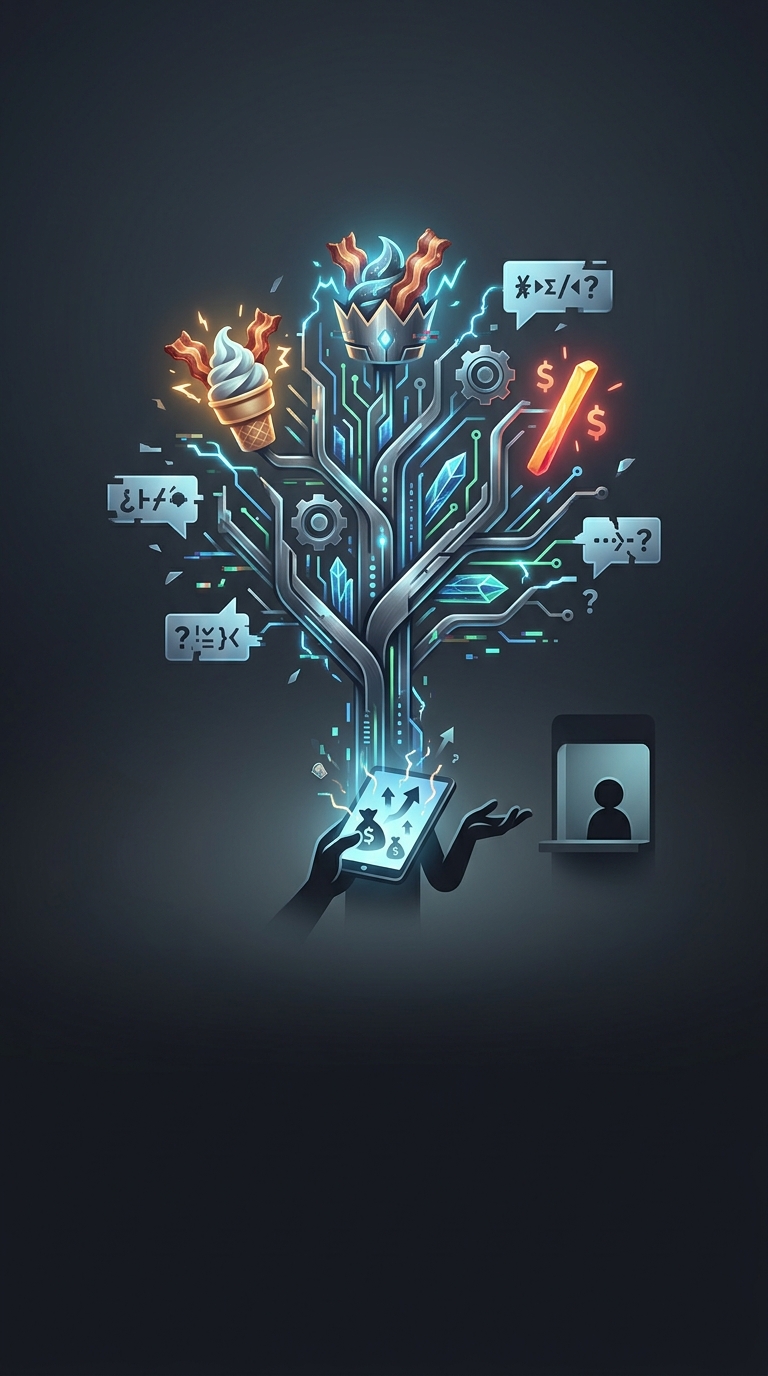
The system is doing more than converting sound into text. It must turn the text into a structured order: a particular sandwich, its options, a side and a drink. If it mistakes one word or loses track of a correction, the result can be an item the customer never asked for. An odd order is often a sign that the system failed to reconcile the conversation with the menu, not that it deliberately invented a new dish.
Automation still needs a way out
These systems can take orders without a staff member speaking at the intercom, but they do not make the whole transaction self-running. Restaurants still need employees to prepare food, handle payment and resolve mistakes. A useful system also needs a way to transfer a confusing exchange to a person; otherwise, a small misunderstanding can hold up the line.
The appeal to operators is consistency and capacity: software can handle routine order-taking while employees focus elsewhere. The tradeoff is that the bot has to work across different accents, speaking styles and noisy conditions—and a mistake can be more disruptive than a brief pause with a human cashier. For customers, the clearest test is simple: can the system repeat the order accurately, and can a person step in when it cannot?