QWERTY’s telegraph-era clue
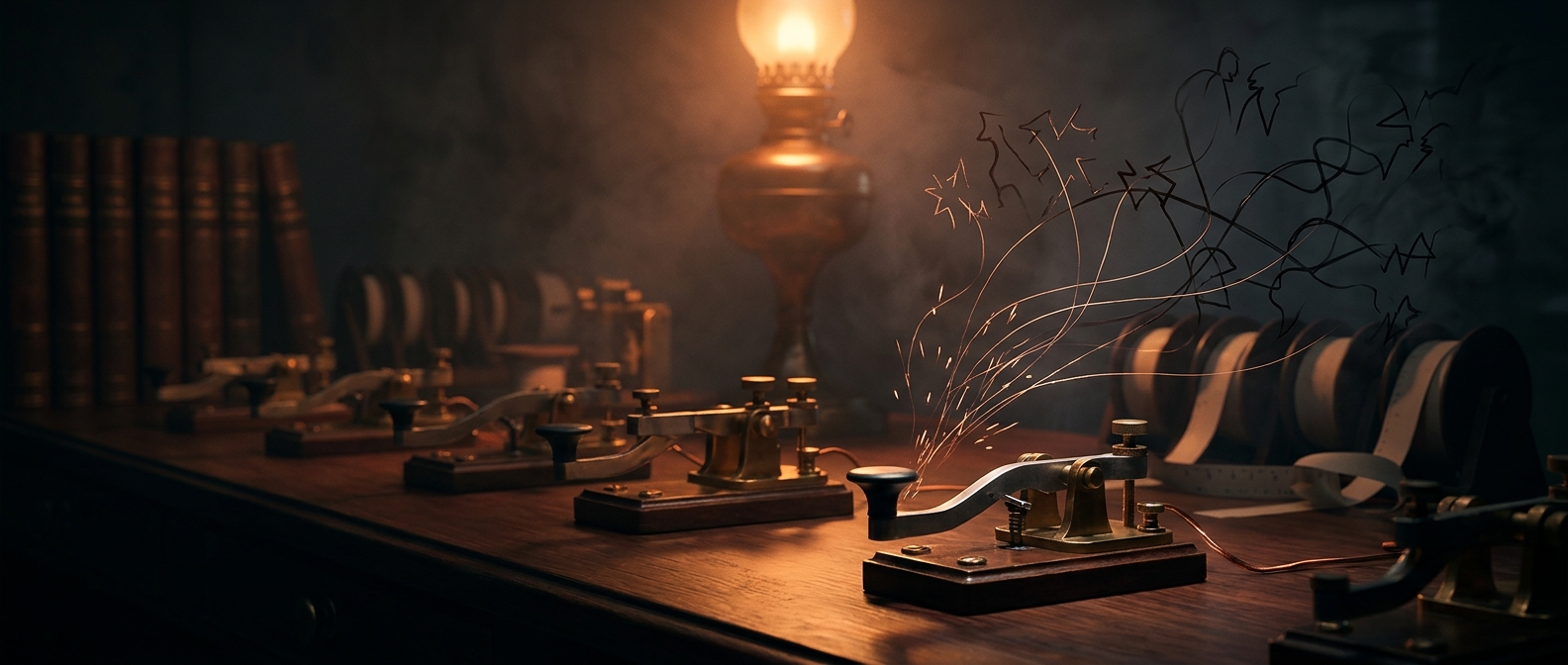
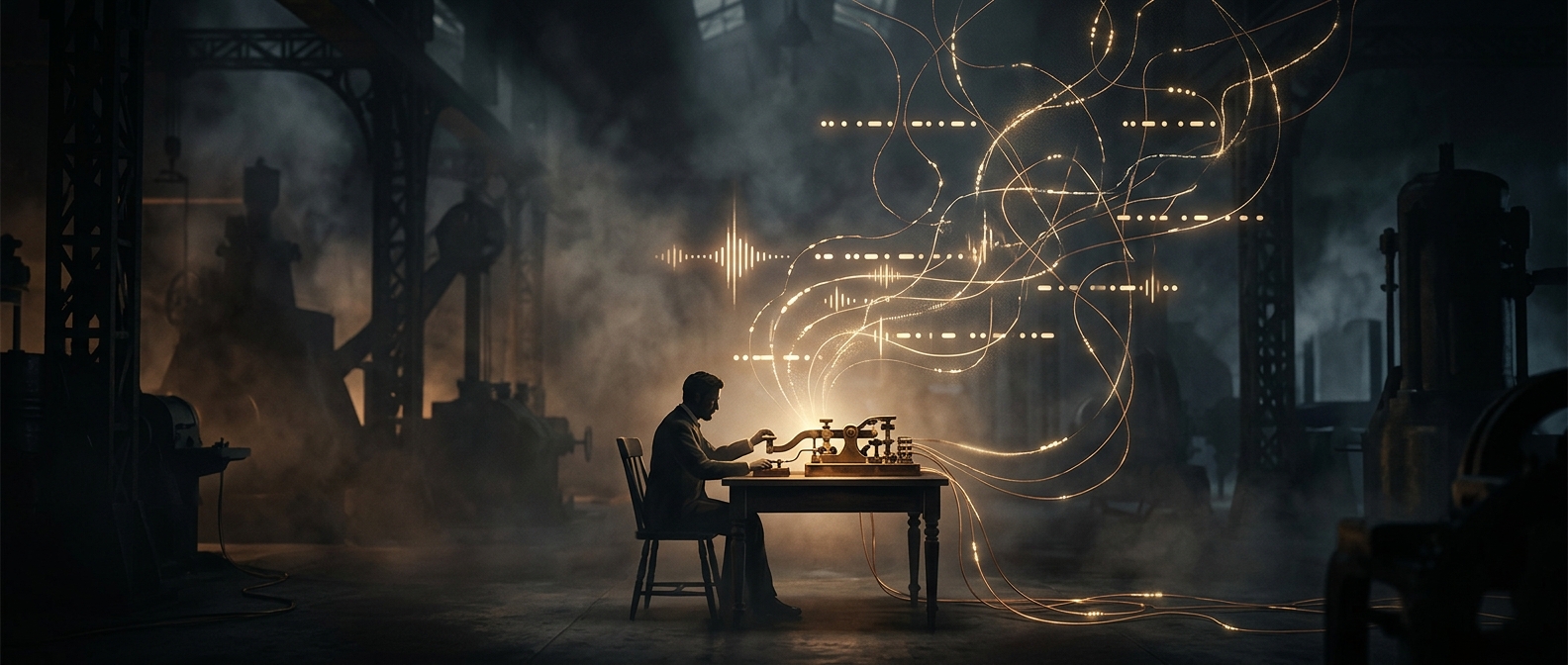
The familiar keyboard layout took shape while telegraphy was changing how messages were handled. Operators received Morse code as patterns of short and long signals, then had to turn those signals into letters and words. That work could be tricky: a faint or poorly timed signal might be mistaken for another letter, and the operator had to make sense of the message quickly.
Historical accounts of QWERTY’s development point to telegraph operators as part of the story. Their experience exposed practical problems in converting Morse signals into written text, so the arrangement was not simply a scheme to slow typists or prevent mechanical jams. The keyboard grew out of the needs of people working with messages, not just the mechanics of pressing keys.
A layout shaped by use
QWERTY did not appear all at once as a perfect solution. Christopher Latham Sholes and his collaborators revised the typewriter’s key arrangement over time. The design that became standard emerged through that process, as the typewriter moved from an experimental machine toward a tool for everyday writing.
That history also helps explain why the layout can seem awkward to modern users: it was not designed from scratch around today’s assumptions about typing speed or ergonomics. Its origins lie in a world where transmitting, interpreting, and typing messages were closely connected. Once manufacturers and typists adopted QWERTY, familiarity and compatibility helped keep it in place—even as the technology around it changed.