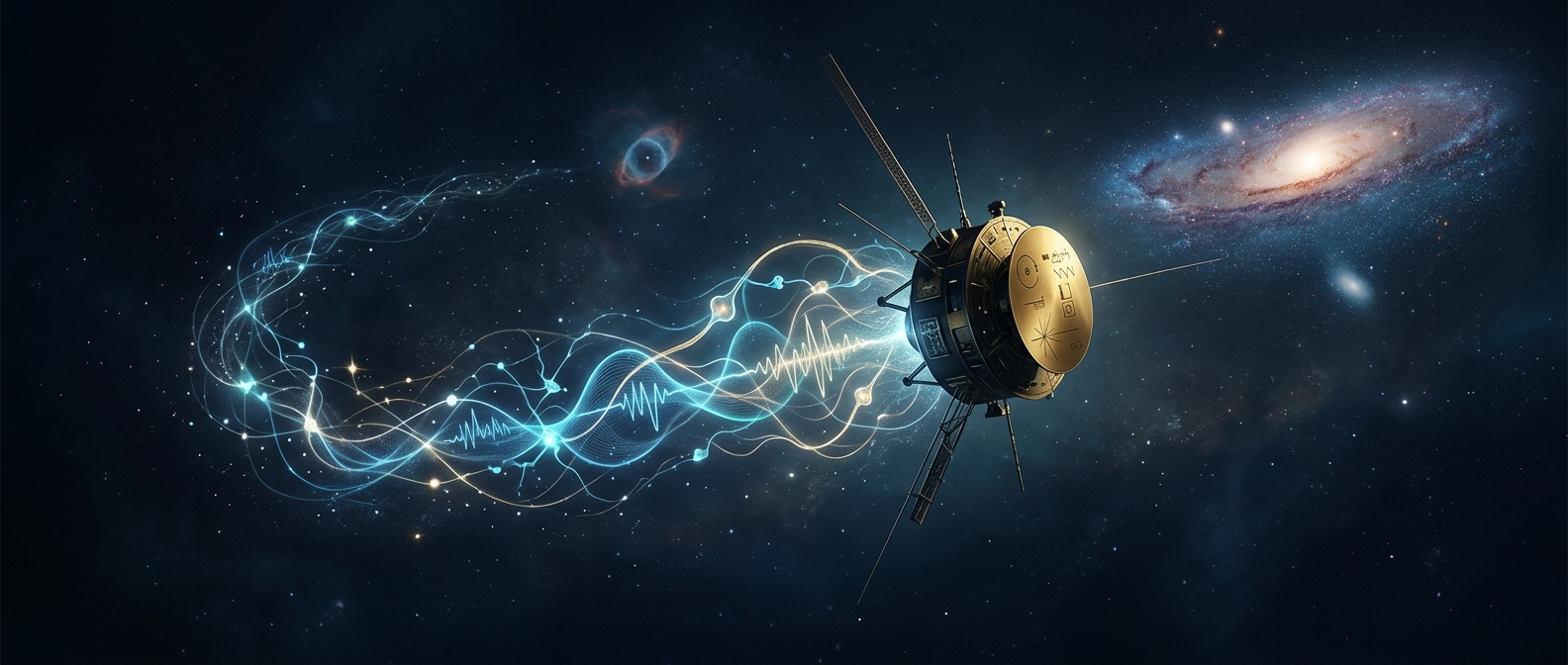
How brain activity became part of the record
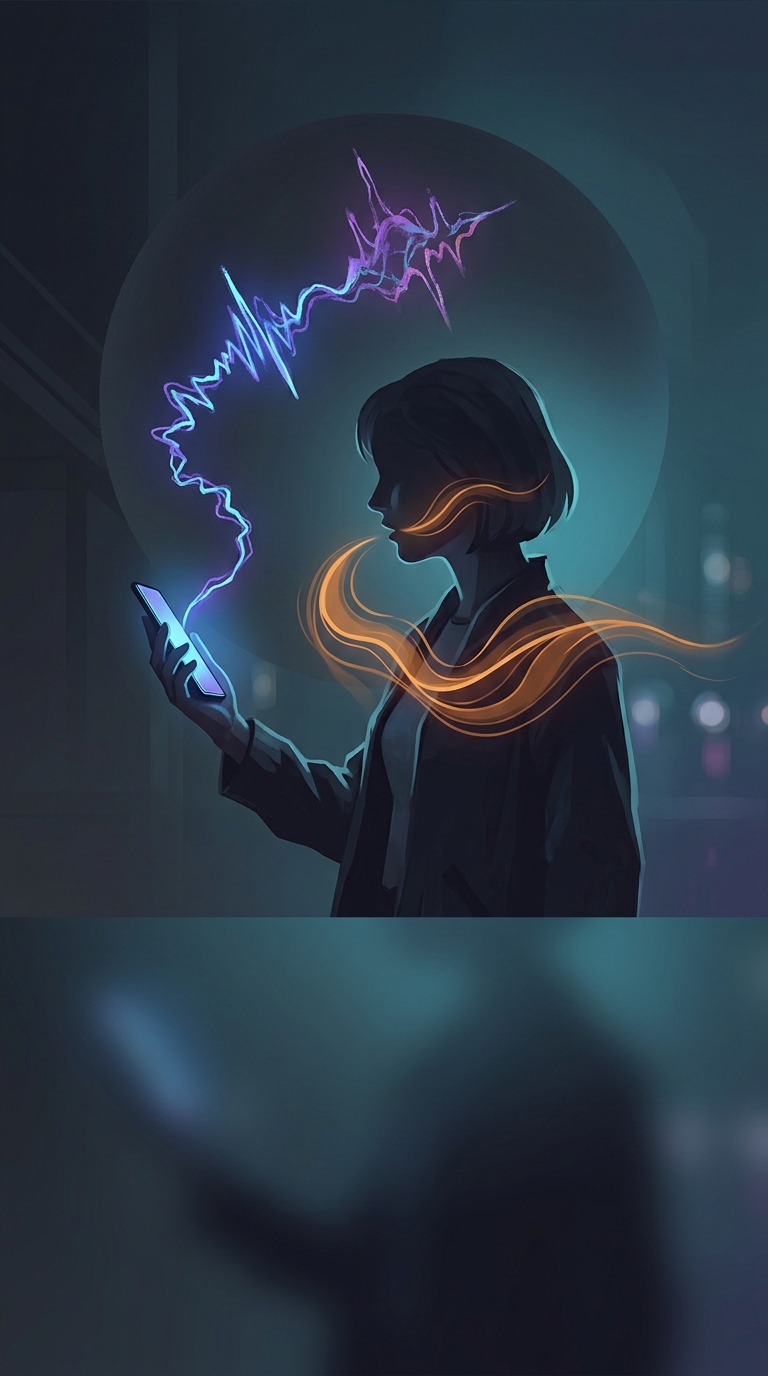
The Golden Record carries more than greetings and music: it also includes a recording based on an hour of brain activity from Ann Druyan, a member of the project team. During the session, she focused on thoughts and feelings she hoped might give an extraterrestrial listener a glimpse of human experience.
Brainwaves are not audible sounds. They are tiny changes in electrical voltage measured at the scalp by electrodes. For the record, those changing signals were converted into sound, so they could be carried as part of its audio material. The result is not a spoken account of Druyan’s thoughts; it is a physical trace of activity from a human brain.
A message with no shared language
That choice addressed a difficult problem: a message to an unknown civilization could not assume a common language, culture, or even a familiar way of communicating. Images, music, and speech each offer different clues about life on Earth. The brainwave recording added another kind of evidence—one tied directly to a living person’s body.
It cannot tell a listener exactly what Druyan was thinking. Instead, it makes the attempt to communicate more intimate: alongside descriptions of humanity, the record carries a signal produced by a human mind. The hour is both a biological recording and a reminder of the limits of translation: an unfamiliar listener might detect patterns, but understanding their human meaning would be another matter.