Why blue-rich light gets attention at night
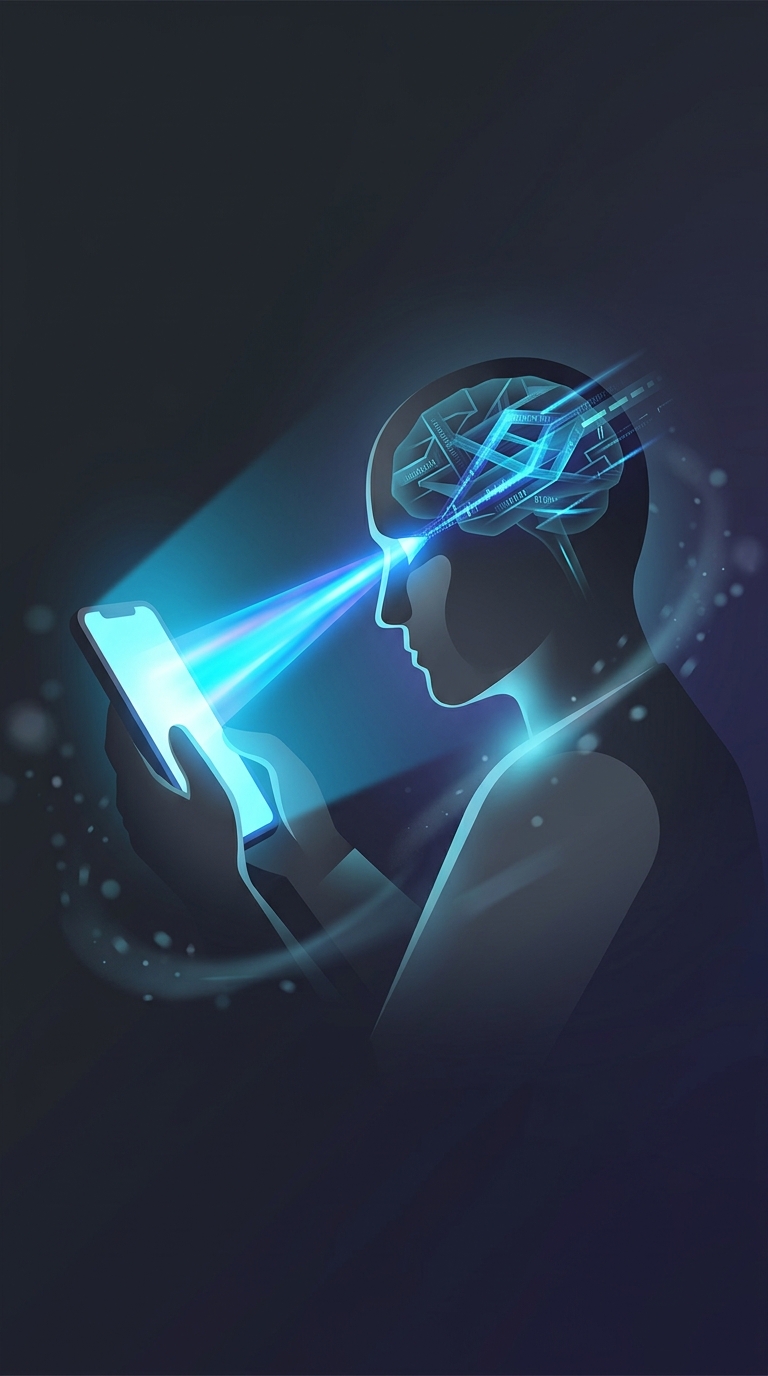
Light does more than help you see. Specialized cells in the eye respond strongly to short-wavelength, blue-rich light and send signals to the brain’s internal clock. At night, those signals can make the body behave as though it is still daytime, delaying the usual rise in sleepiness and the release of melatonin, a hormone involved in the sleep–wake cycle.
A bright phone held close to your face can provide a meaningful dose of light, especially in a dark room. The concern is not that blue light is a poison or that a screen damages your eyes in this way; it is that light arriving at the wrong time can nudge the body clock later.
What the warm setting changes
Night Shift shifts the display toward warmer colors by reducing the relative amount of blue light it emits. That can make the screen less stimulating to the eye’s light-sensitive clock system than the same display at its cooler daytime setting. It does not turn the screen’s light off, and the effect depends on how bright the screen is, how long you use it, and when you use it.
The color change also cannot counteract the mental stimulation of scrolling, messaging, or watching something absorbing. Nor does a warmer display guarantee better sleep: the evidence for a substantial sleep benefit from color-shifting modes is limited, and screen brightness and late-night use matter too.
The practical tradeoff
Warm mode is best understood as one small way to reduce late-evening light exposure, not as a shield that makes bedtime screen use harmless. Dimming the display—or putting the phone away—reduces the light reaching your eyes more directly. The key issue is not the color alone, but how much light your eyes receive and how close it is to bedtime.