Why an Early Mouse Looked Like a Turtle
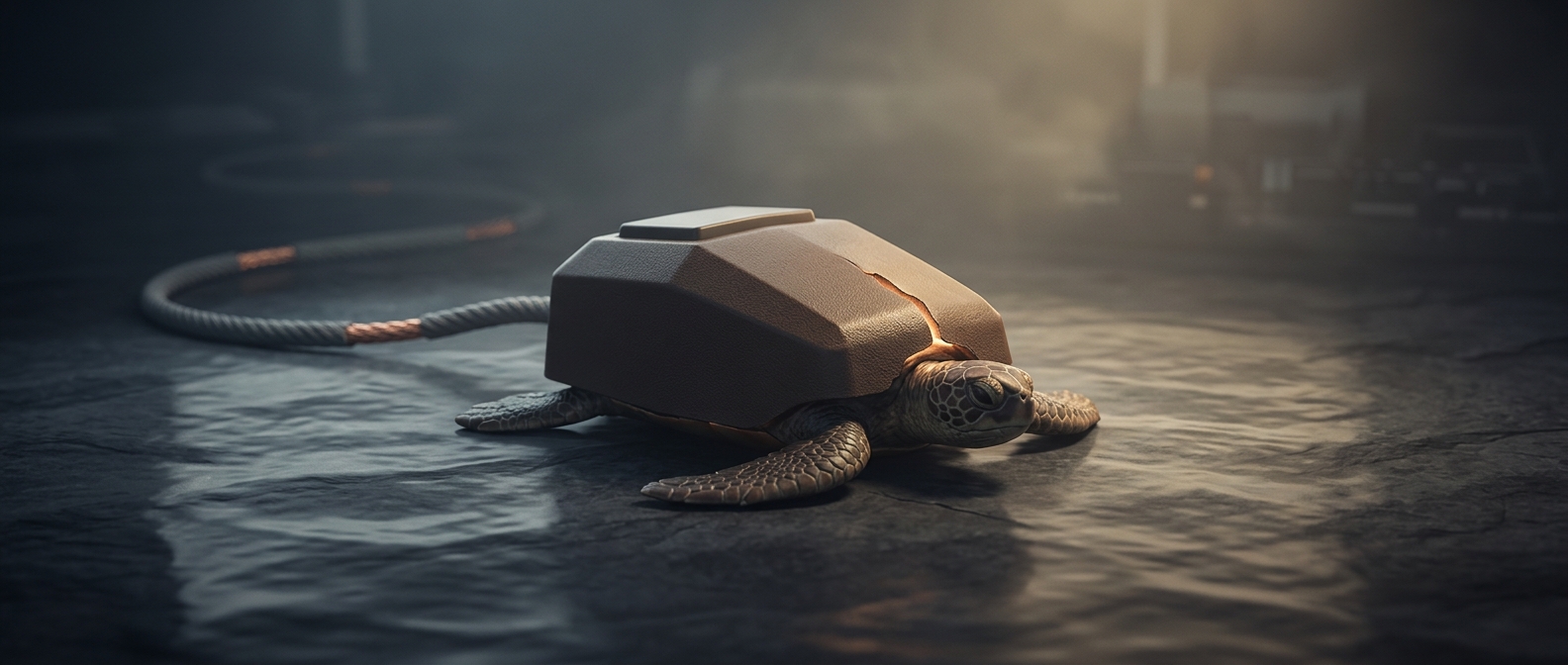
Before “mouse” became the familiar name for a computer pointing device, some early designers called it a turtle. The comparison came from the device’s shape and how it moved: a low, rounded shell sat over a rolling mechanism that tracked motion across a surface. The housing seemed to ride on its hidden machinery, much as a shell rides above an animal’s body.
That rolling mechanism mattered more than the name suggests. As a person slid the device, its rollers registered the movement and let the computer move the on-screen pointer accordingly. The turtle name captured the visible arrangement: a broad shell-like cover gliding over its means of motion.
How the Cord Changed the Picture
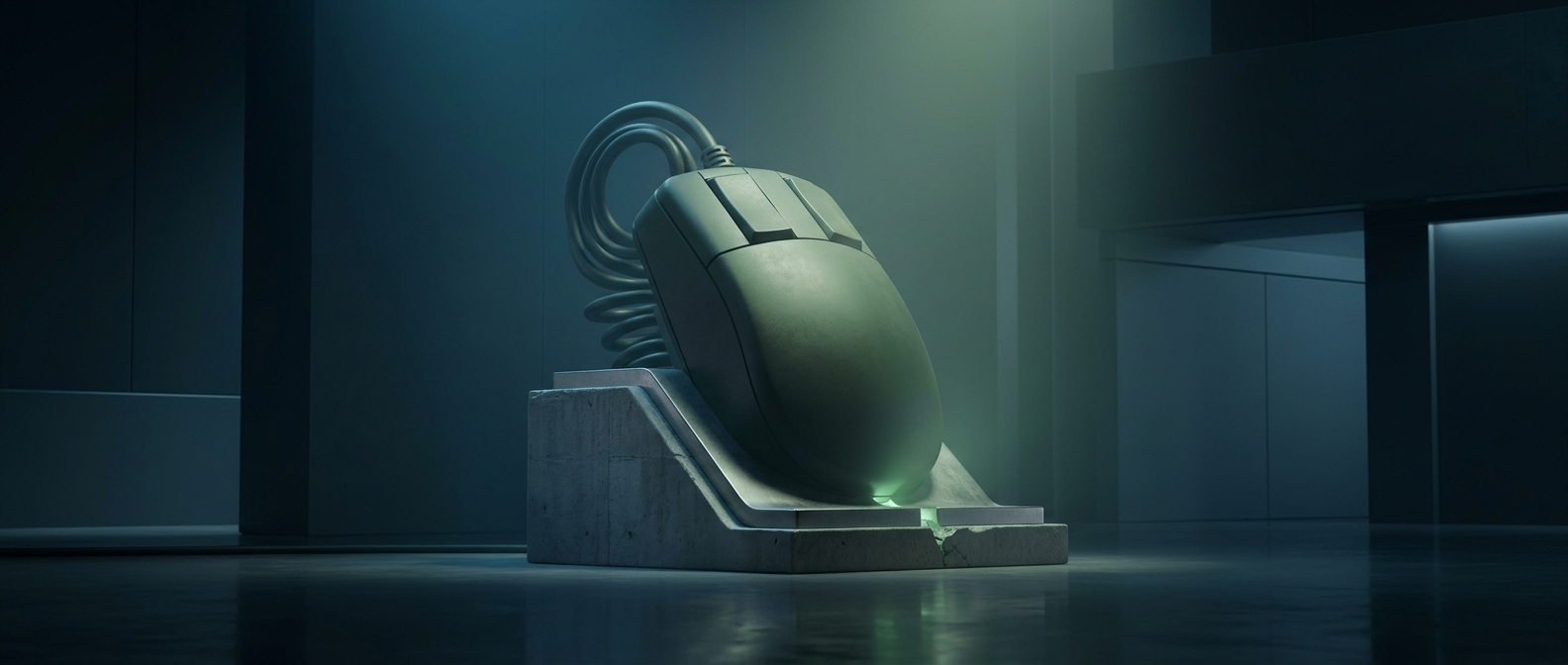
The later name emphasized a different feature. A cord trailing from the rear could look like a tail, while the rounded body suggested a small animal. Together, those details made “mouse” an easy image to recognize and remember.
The shift shows how names for new technology can grow out of what a device looks like in use. The turtle described the body riding over its mechanism; the mouse turned the body and trailing cord into one familiar silhouette.The cord helped transform a mechanical description into an animal-shaped metaphor.