A temporary fix that became a test of endurance
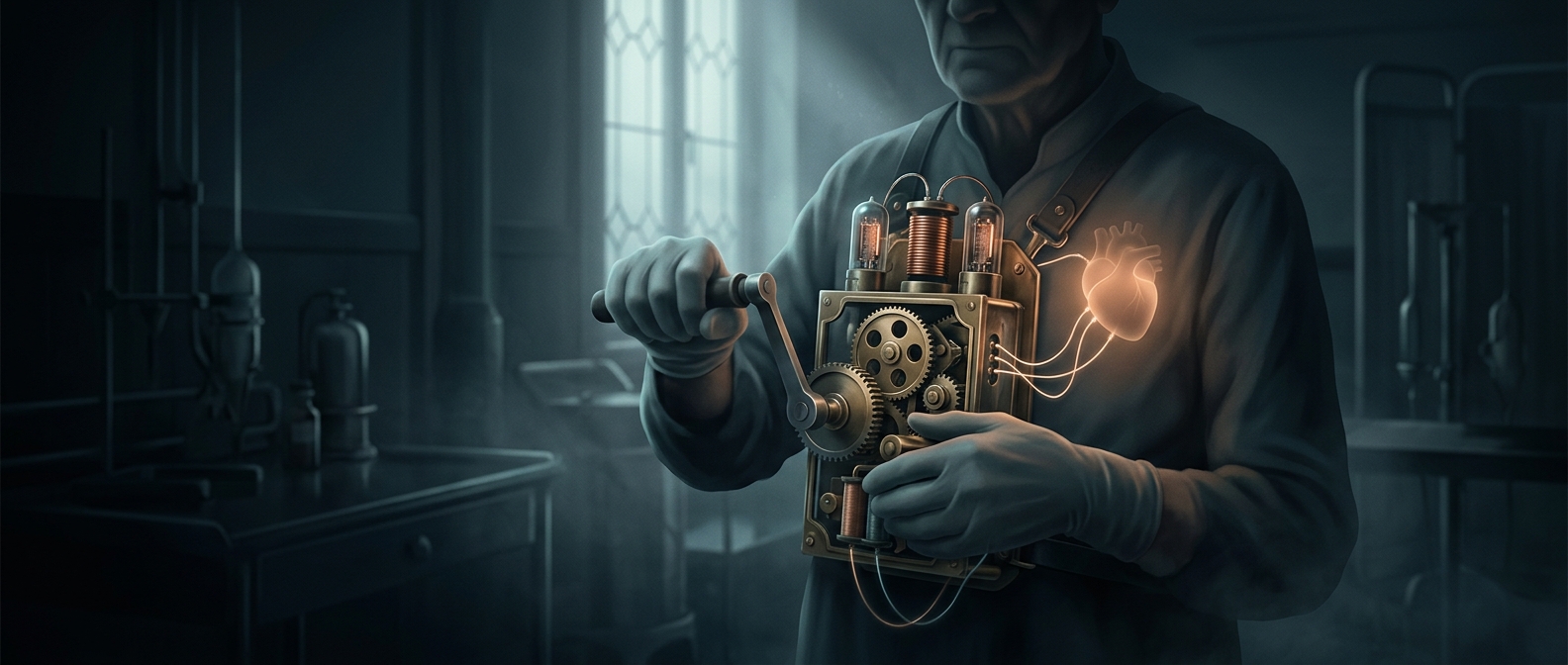
An artificial heart does not have to imitate every detail of a living heart. Its urgent job is simpler: keep blood moving through the lungs and around the body when the patient’s own heart can no longer do it. In an emergency, doctors may use such a device as a bridge to transplant—a way to keep someone alive until a donor heart becomes available.
That plan assumes the wait will be short. But a donor may not appear on schedule, and a device intended as a stopgap has to keep working with every heartbeat-like cycle: pushing blood forward, maintaining circulation, and avoiding clots or infection. Each extra day turns a brief rescue into a demanding engineering and medical trial.
Why surviving longer changed the field
The patient’s survival for more than 100 days showed that an artificial heart could support a person far beyond the narrow window for which doctors had hoped to use it. That did not make the device an easy or routine substitute for a natural heart. Patients still faced serious complications, and the equipment and care required were substantial. But the extended survival gave clinicians and engineers something crucial: time to observe what failed, what held up, and what a longer-term artificial heart would need to do.
The lasting shift was in the question researchers could ask. Instead of treating an artificial heart only as a brief emergency measure, they could investigate whether mechanical circulation might sustain a patient for months—and what changes would make that safer. A device meant to bridge a gap had, unexpectedly, made the gap itself long enough to study.