Psychology
Discover facts about psychology. Small discoveries that change the way you see familiar things.
Psychology
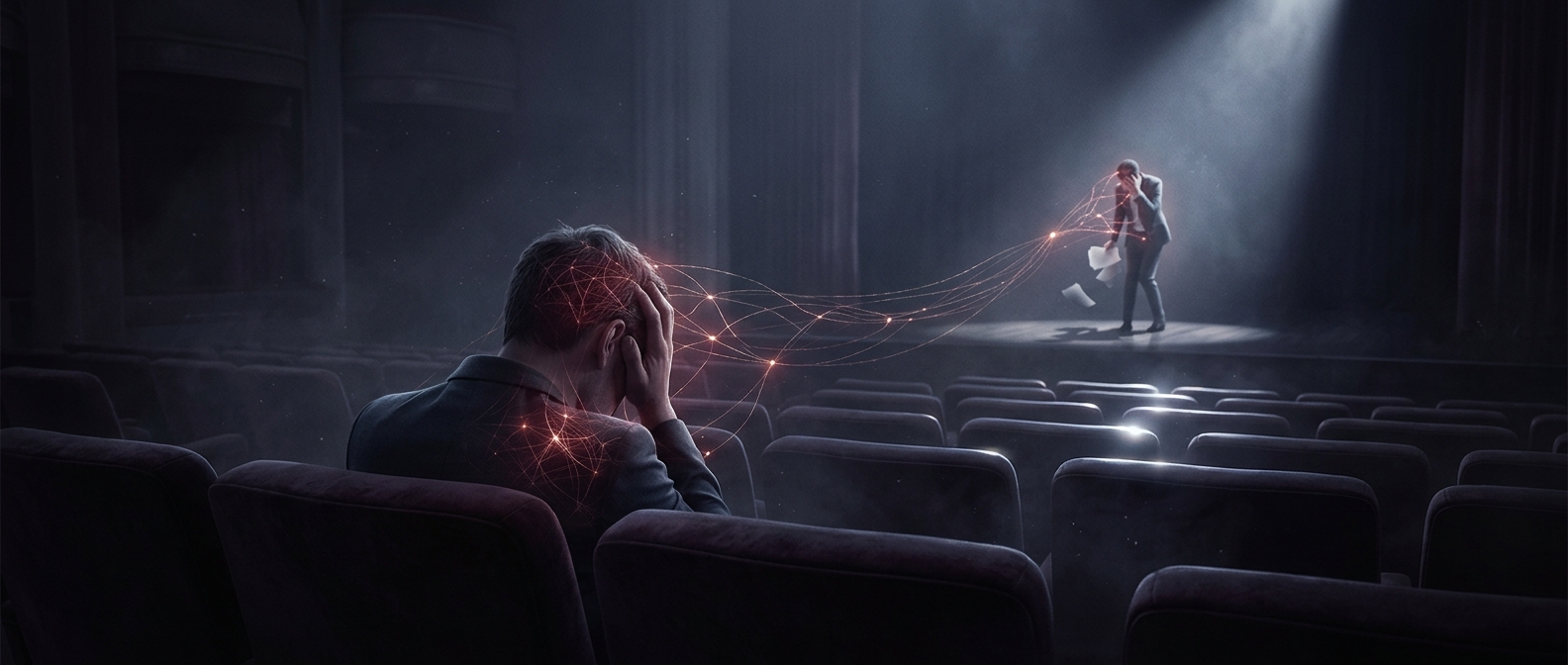
Why other people's embarrassment feels like your own
Watch someone stumble through a speech and you may feel your own face heat up. You’re mentally simulating what it would be like to stand in their place, then…
Discover more
Why you spot everyone else's biases but your own
It’s easy to spot a rival’s blind spot because you can watch their choices from the outside. Your own bias comes wrapped in reasons that feel sincere, and you…
Discover more
Why people sometimes laugh at funerals
A funeral packs grief, nerves, silence, and other people’s eyes into one room. Laughter can burst out when that tension has nowhere else to go; the body…
Discover more
Why a missing word feels just out of reach
You can know exactly what a word means and still fail to retrieve it. Your mind may have pieces of the word—its first sound, its rhythm, the context—but not…
Discover more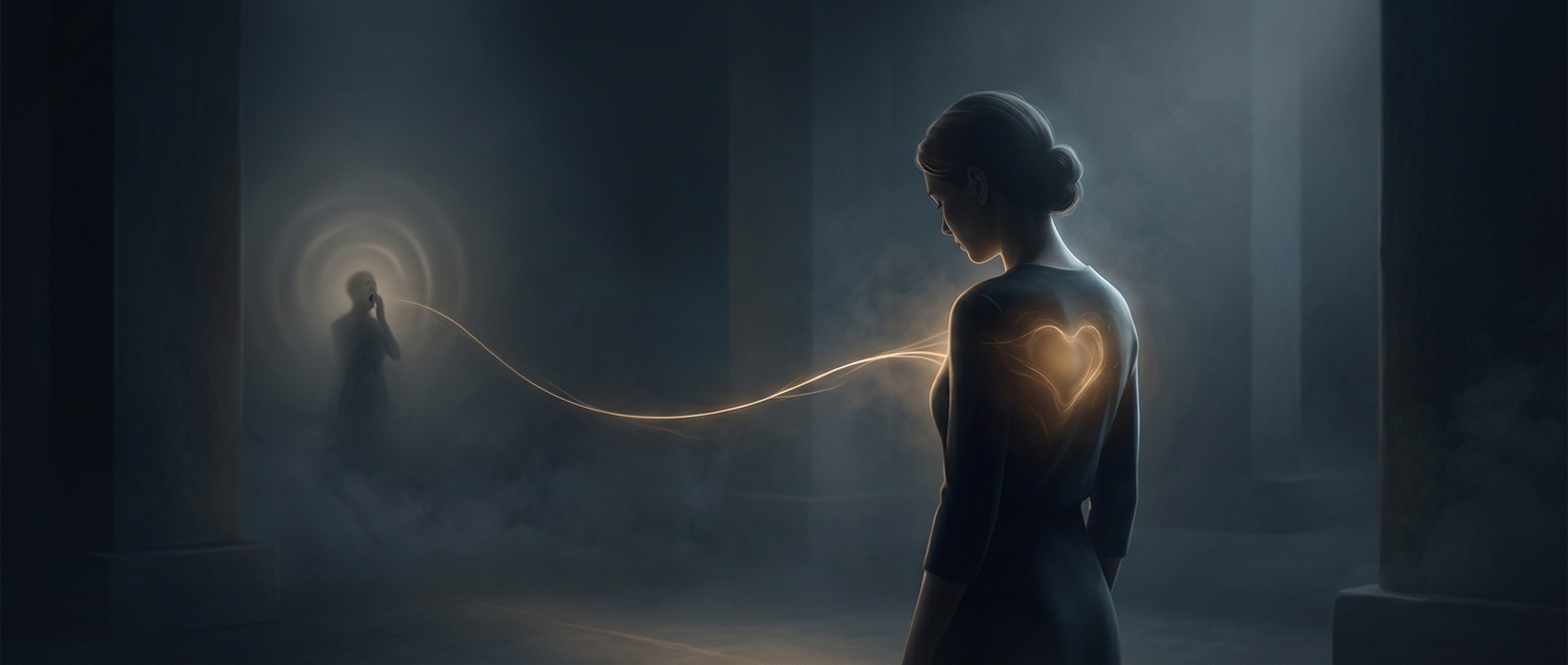
A yawn can spread without a word
Seeing another person yawn can trigger the same action in you, even when you did not feel a yawn coming. Researchers call it contagious yawning and have…
Discover more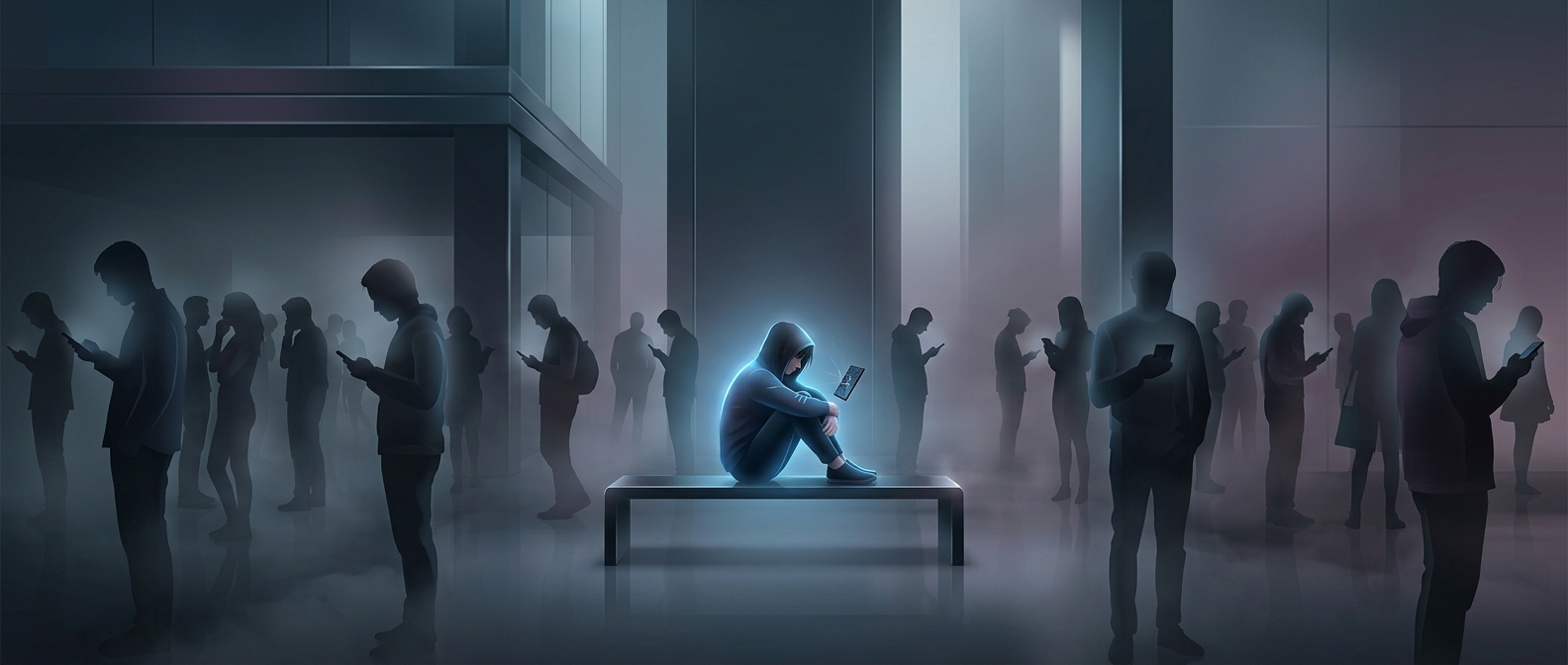
Why crowds ignore online harassment
A cruel post appears in a busy feed, and every viewer can assume someone else will answer. That spreads responsibility so thin that nobody feels like the…
Discover more STACKY FOR IPHONE
A bigger world.
One discovery
at a time.
Keep discovering with Stacky. Interesting facts in an app that is always within reach.
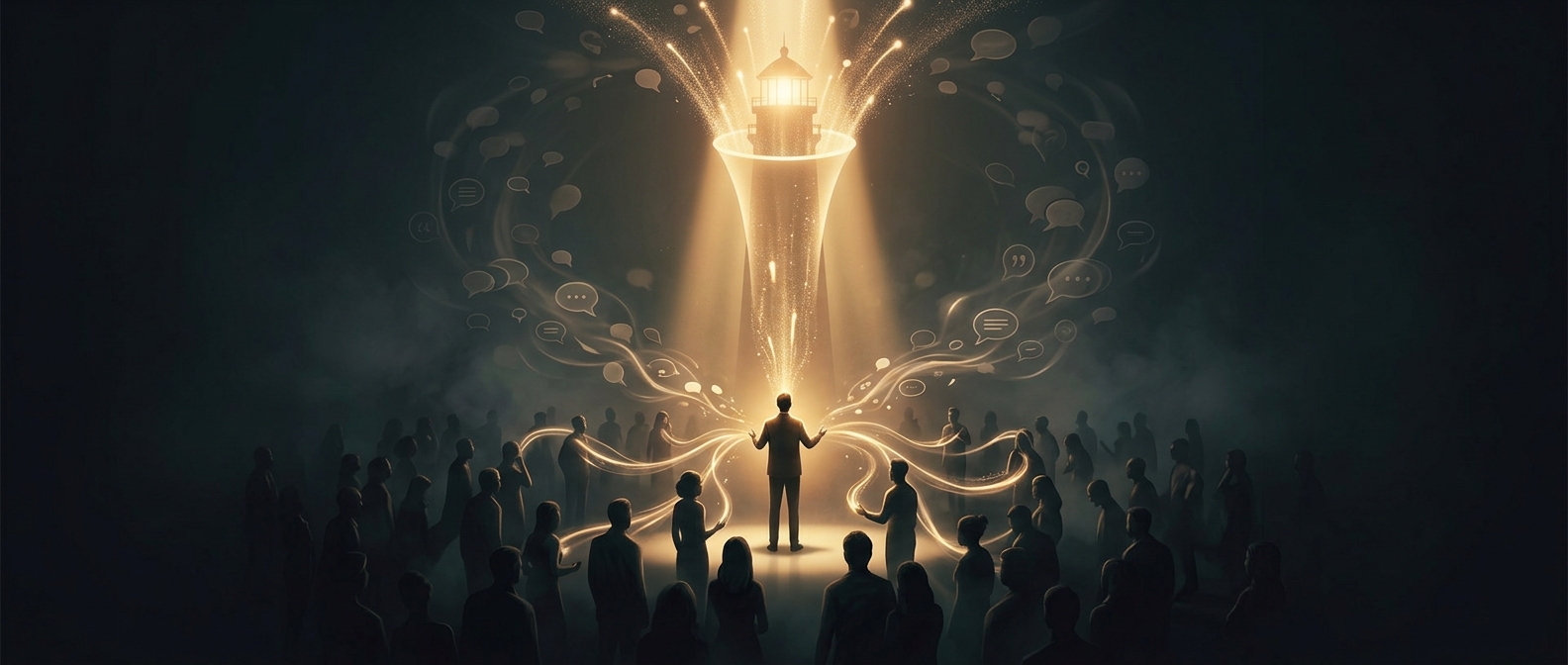
Steering all conversations back to yourself
Someone says, “That happened to me too,” hoping to show they understand—and then spends the next five minutes on their own story. Bringing the conversation…
Discover more
Saving five lives feels different when you must push someone
The trolley problem changes when saving others means using your own hands to hurt someone. Direct physical action can trigger a stronger emotional aversion…
Discover more
Why novelty can revive sexual desire
The same familiar cues can lose their charge through repetition. A new setting or experience gives partners something unexpected to respond to, pulling…
Discover more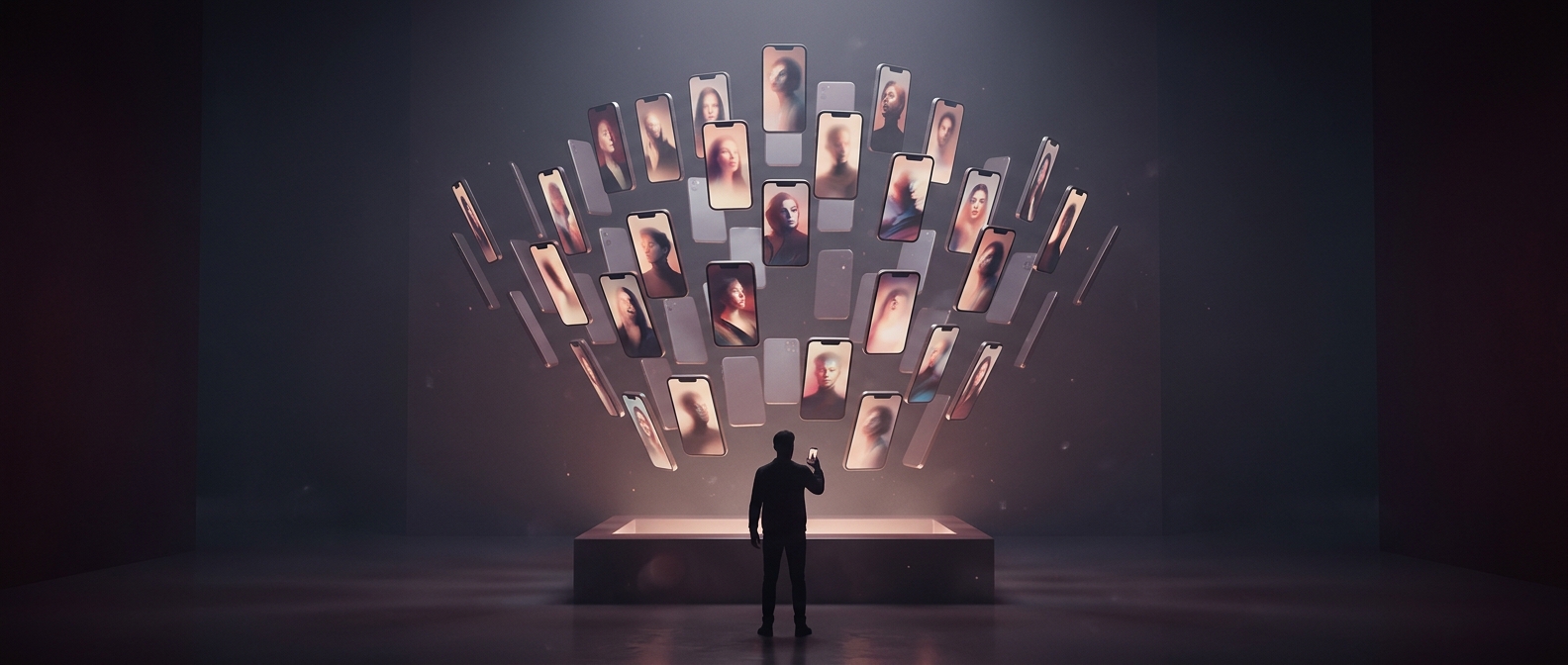
Narcissists post significantly more filtered selfies daily
A filtered selfie lets someone choose not just the pose but the version of their face the world sees. More frequent posting of filtered selfies has been…
Discover more
How expecting a terrible date can ruin it
A gloomy prediction can change how you behave before the date even starts. You may hold back, sound guarded, or miss a chance to connect; then the other…
Discover more
Why bold text can make lies seem believable
When a claim is bolded, your attention lands on it quickly and the words can feel easier to read. People often use that ease as a shortcut for truth: if it…
Discover more
Trivia databases strip away the origin of facts
A fact in a trivia list arrives without the conversation, experiment, or discovery that gave it a source. The answer can stick in your memory while its origin…
Discover more
A familiar room can seem to change size without moving
Distortions such as micropsia make objects appear abnormally small, while macropsia makes them seem enlarged. These experiences can occur in Alice in…
Discover more
Angry memories can preserve the grievance better than the surroundings
In a study of recalled emotional events, anger was associated with particularly poor recall of peripheral details. You can remember what the argument was…
Discover more
A memory experiment tested which fist people clenched before learning
In a 2013 study, researchers varied the hand clenched before memorizing words and before recalling them. Right-before-learning and left-before-recall…
Discover more
Masochistic traits make people enjoy doing difficult things
A punishing workout or a brutally spicy meal can be unpleasant and satisfying at once. When discomfort happens in a setting you’ve chosen and feel able to…
Discover more
An easy-to-say name can get a head start
Across experiments, people formed more positive impressions of names that were easier to pronounce. Researchers linked the effect to processing fluency:…
Discover more
An option nobody wants can change what everybody chooses
The decoy effect appears when an added option is clearly worse than one choice but not directly comparable with another. It makes the favored choice easier to…
Discover more
Why unfinished tasks keep nagging at you
An unfinished task leaves a goal open: send the email, finish the report, make the call. Because your mind is still tracking what remains, the task can pop…
Discover more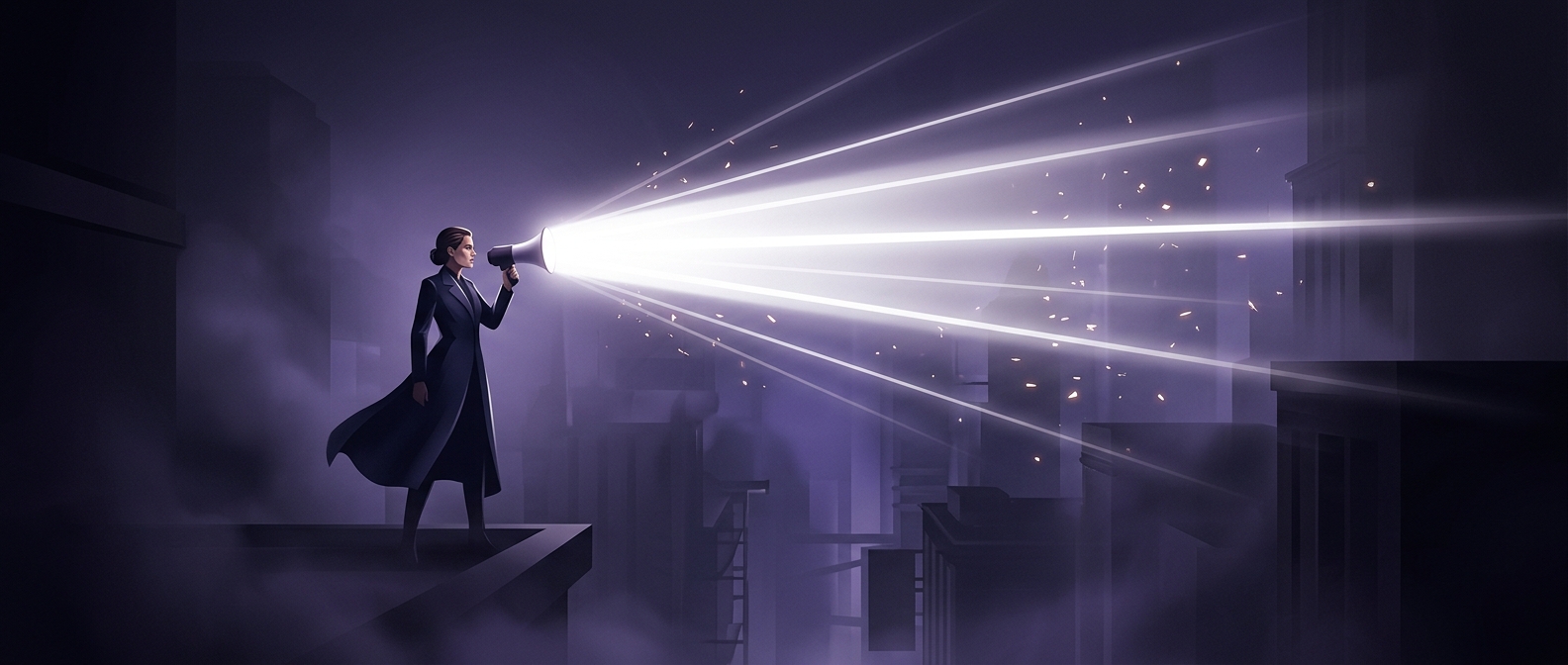
Why you say you’re dying when you’re just tired
When you’re wiped out, “I’m tired” can sound too small for the feeling. Saying “I’m dying” borrows the language of crisis to make exhaustion impossible to…
Discover more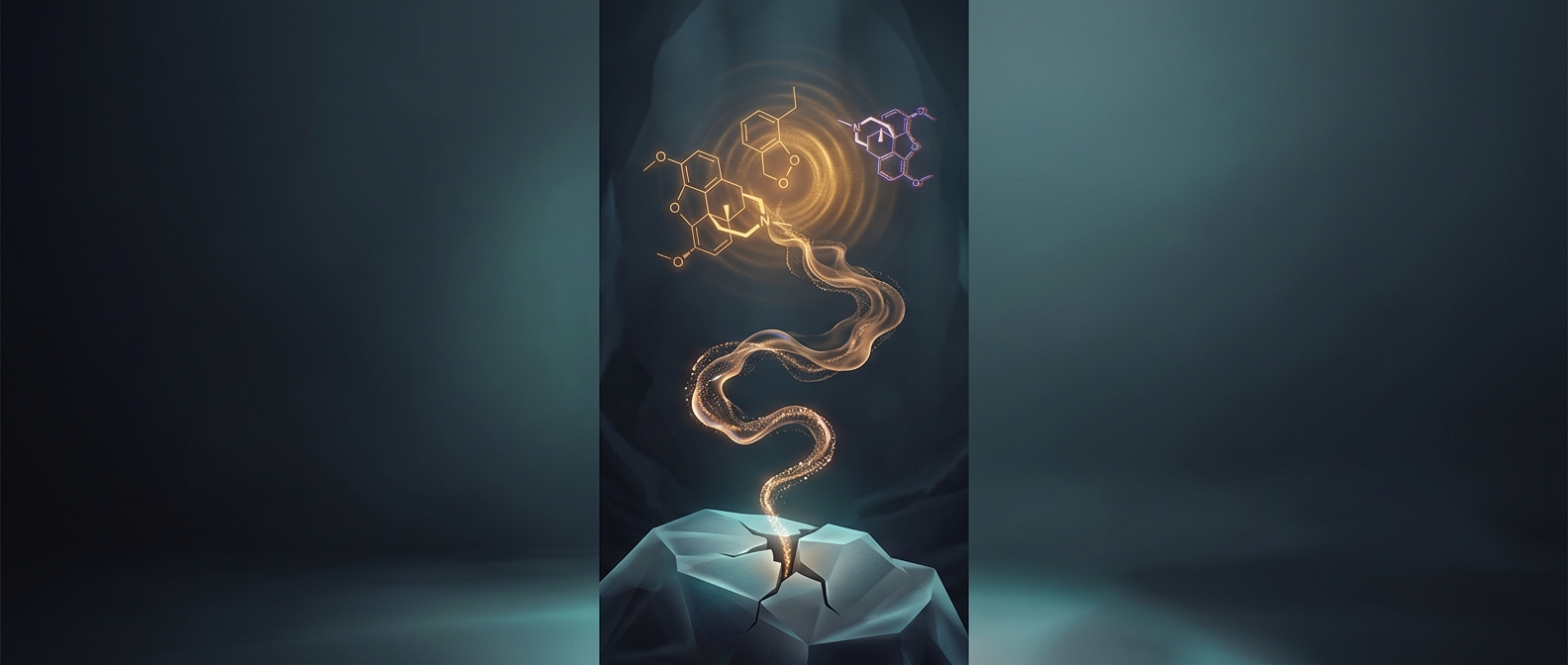
Your body makes its own painkilling chemicals
Your body can release endorphins, chemicals that attach to some of the same receptors as opioid painkillers and help dampen pain signals. They’re part of the…
Discover more
Why overthinking a date can ruin the connection
Overthinking turns a date into an audition: you plan the next line while judging how the last one landed. That self-monitoring makes conversation less…
Discover more
Men reported falling in love sooner in one recent study
A 2025 study of young adults who were in love found men reporting an earlier onset of those feelings than women. It was a group-level result from…
Discover more