Psychology
Discover facts about psychology. Small discoveries that change the way you see familiar things.
Psychology
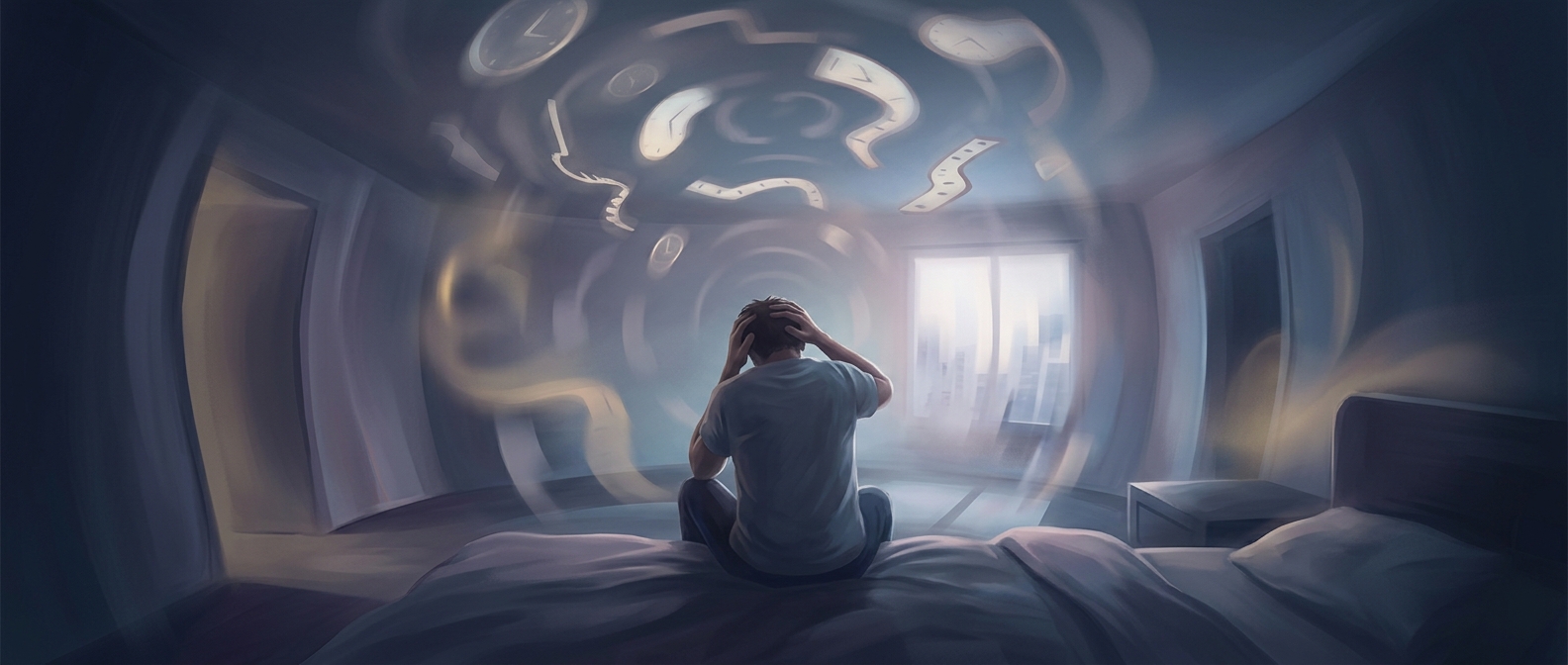
Why a deep nap can leave you feeling drunk
Wake during deep sleep and the alarm can beat your thinking skills to the finish line. Attention, reaction time, and clear judgment may take a while to…
Discover more
Looking cheerful at work can be a second job
Researchers call it surface acting when someone displays an emotion they do not feel. Studies link that kind of emotional labor with exhaustion and poorer…
Discover more
Conscientiousness turns you into a rigid planner
Conscientious people tend to value order, follow-through, and knowing what comes next. Planning turns those preferences into calendars, lists, and tightly…
Discover more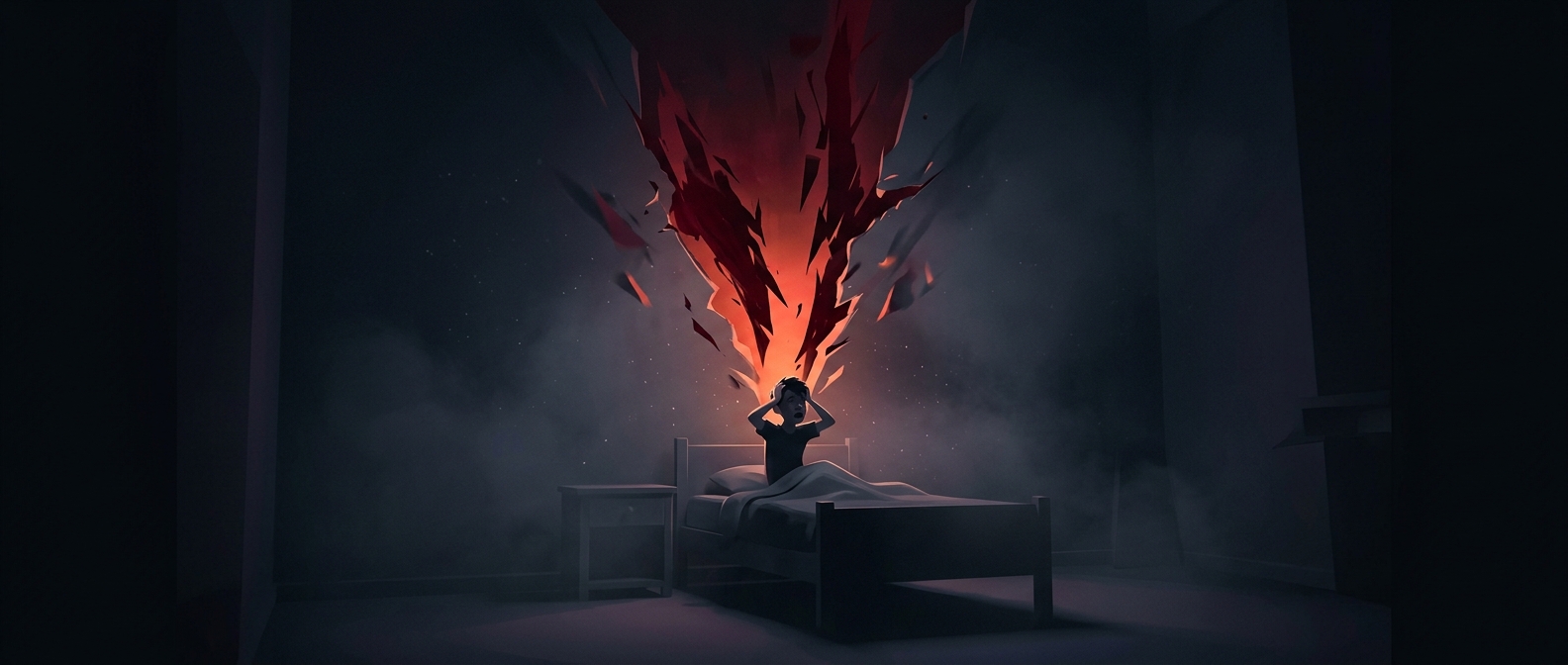
Night terrors can make you scream without a dream
A night terror is an alarm with no remembered movie attached. The sleeper can be partly aroused from deep sleep—enough to scream or move, but not enough to…
Discover more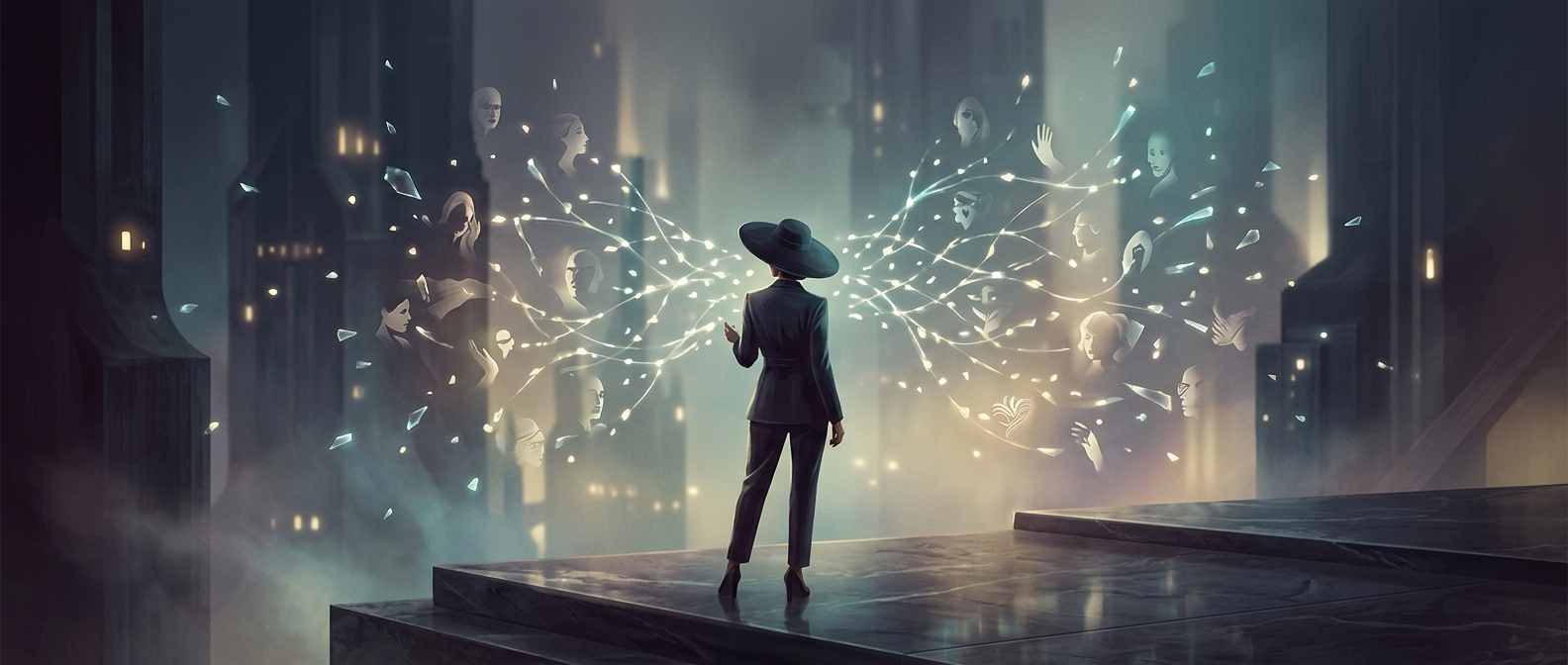
Your first impression forms in milliseconds
In a brief glance, you may already have a sense of whether someone seems trustworthy, competent, or approachable. Your mind makes these quick judgments from…
Discover more
Travel sketching pre dated annoying selfies
A traveler with a sketchbook has to stay with a scene long enough to choose what matters: the crooked roof, the crowded square, the light on a wall. Drawing…
Discover more STACKY FOR IPHONE
A bigger world.
One discovery
at a time.
Keep discovering with Stacky. Interesting facts in an app that is always within reach.

Dopamine makes you chase what you want
The chase can outlast the pleasure. Dopamine helps stamp a cue as something worth pursuing, so a glimpse of what you want can pull your attention and effort…
Discover more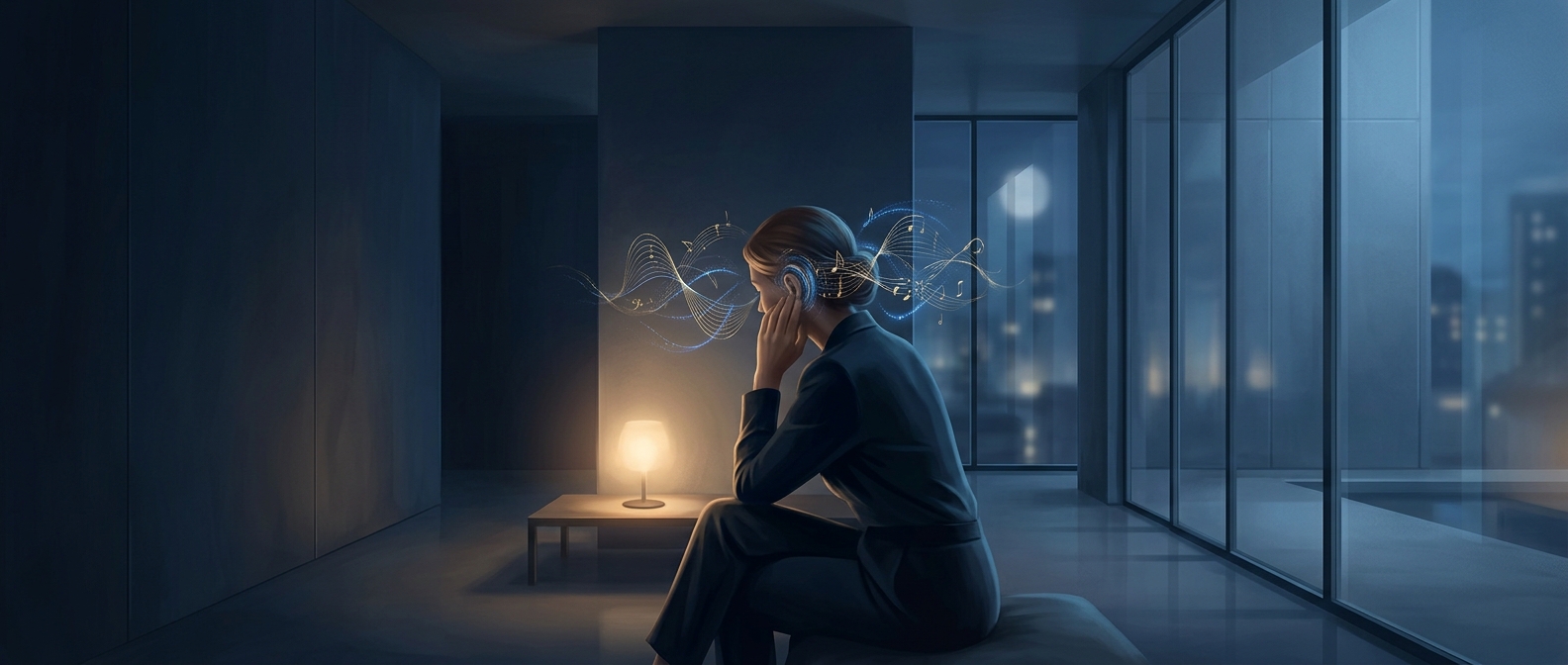
Why tinnitus sounds like a noise from nowhere
Tinnitus can happen when the auditory system gets less input, often after noise-related hearing damage. One possible explanation is that the system becomes…
Discover more
Complex physical tasks run on mental autopilot
Once a physical skill is practiced enough, you don’t have to consciously plan every movement. The sequence becomes procedural memory: your body can carry out…
Discover more
Why cramming fails when learning
Cramming packs exposure together but gives your memory little practice finding an idea on its own. Close the book and the apparent mastery can evaporate;…
Discover more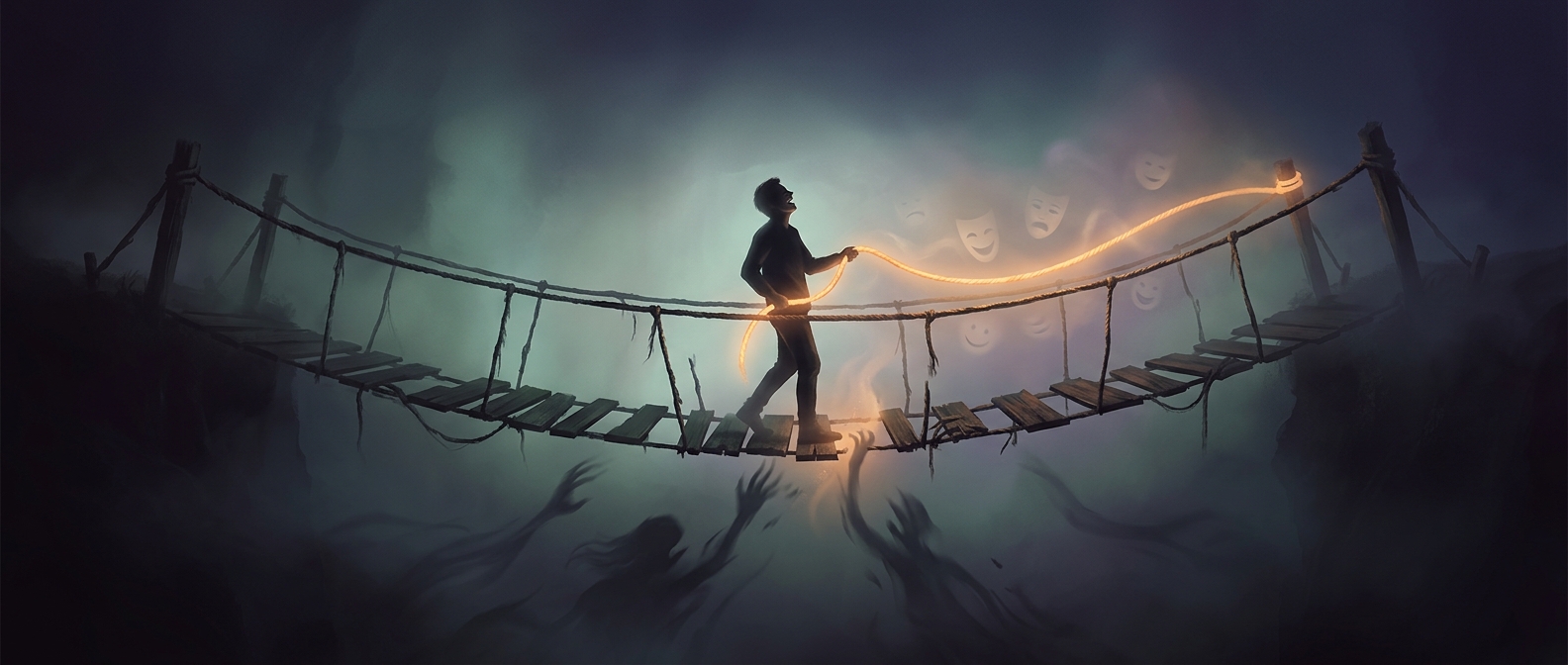
Why people joke in the darkest moments
When a situation is frightening, a dark joke can break the feeling that fear owns every second. Shared laughter signals, “I’m here with you,” while making the…
Discover more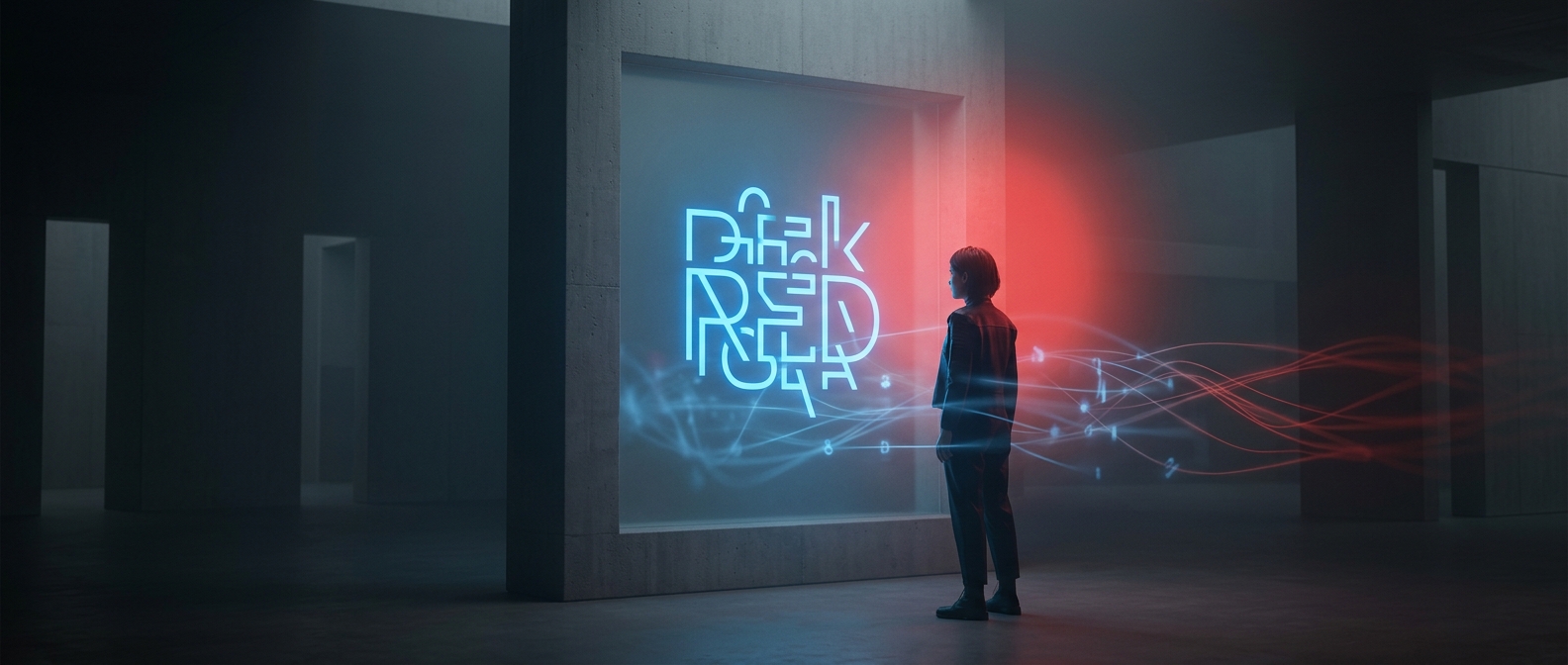
Why red words in blue ink slow your brain down
Your eyes can read a word almost automatically, but naming the ink color takes a deliberate step. When the word says RED and the letters are blue, those two…
Discover more
Judging a complex situation entirely by its cover
Complex situations demand more attention than people have in the moment, so the mind grabs an easy cue and builds a story around it. A neat appearance can…
Discover more
Your thoughts can't bring down a plane
A frightening thought can feel like a warning, especially when you’re already anxious. The mind links the thought to whatever happens next and mistakes that…
Discover more
Thinking you easily predicted a very complex joke
A joke can feel obvious the second it’s explained because the ending changes how you read the setup. Details that once had several possible meanings now seem…
Discover more
Feeling more awake is not the same as remembering more
In a double-blind study of 95 young adults, caffeine changed feelings such as boredom, tension and nervousness without broadly improving the memory tasks…
Discover more
Why you assume everyone agrees with you
You know your own opinion from the inside and everyone else’s only by guesswork. So your mind quietly uses you as the sample: if you think the movie was…
Discover more
Why unwanted thoughts come back stronger
An unwanted thought can return because suppressing it gives your mind two jobs: think about something else, and keep scanning for the thought you’re trying to…
Discover more
A walking-speed experiment ended up testing the researchers' expectations
A famous study suggested that elderly-themed words made people walk more slowly. In a 2012 replication, automated timing initially found no such effect; a…
Discover more
Turning down a compliment can earn you another one
Rejecting praise can make the other person work harder to convince you. They may repeat the compliment or add evidence, turning your modest “No, I’m not” into…
Discover more
Why FOMO feels like a physical threat
Seeing friends together without you can make your stomach drop because exclusion puts something important at stake: connection to the group. Your mind treats…
Discover more
People reveal their darkest secrets to complete strangers
Telling a stranger a secret can be easier because they have no established picture of you to protect. You don’t have to manage the gap between “who I seem to…
Discover more
Why unsolicited advice feels like an insult
Unsolicited advice can turn a conversation into a performance review. Instead of responding to what you said, the other person starts correcting your…
Discover more
Why disasters eventually start feeling normal
When bad news keeps arriving, your mind learns its shape. Repetition makes the extraordinary feel familiar, so the next report may provoke less shock—even if…
Discover more