Why waking can leave your brain behind
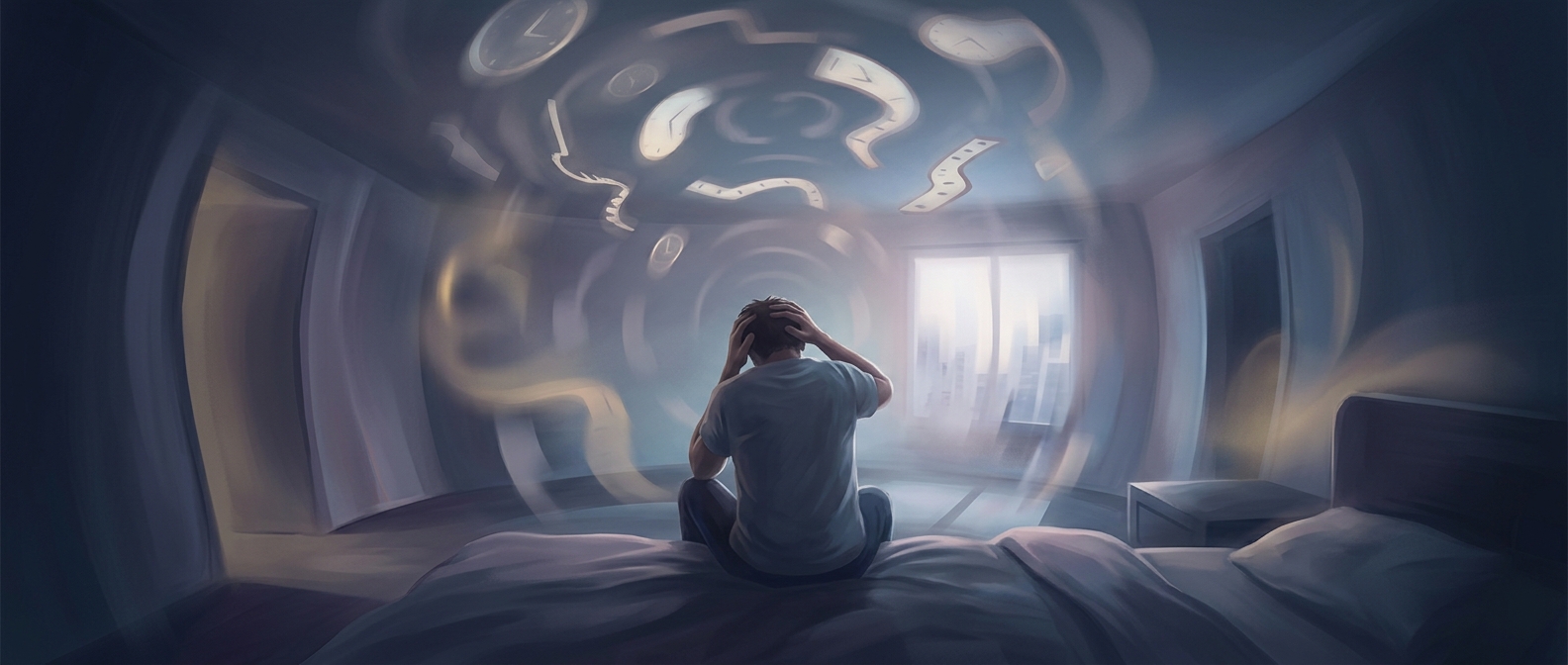
Sleep doesn’t switch off all at once. When an alarm interrupts deep sleep, the systems that support alertness and clear thinking may take longer to come fully online than your eyes and muscles do. That lag is called sleep inertia: the temporary fogginess, slowed reactions, and poor coordination that can make waking feel almost like being drunk.
The brain needs time to change gears
Deep sleep is a stage in which the brain is less responsive to outside events than it is during lighter sleep. A sudden wake-up forces a rapid shift from that low-alert state to the demands of being awake—making decisions, tracking what’s around you, or simply getting out of bed. Those abilities do not necessarily return at the same speed, so you may be conscious yet still struggle to think sharply or move smoothly.
That mismatch helps explain why a nap can feel worse at first than staying awake. The problem is not that sleep has failed to refresh you; it is that you have been pulled out of a stage from which waking can be especially disorienting.
Why the grogginess matters
Sleep inertia is temporary, but it can affect judgment and reaction time while it lasts. A person who feels awake enough to start driving, operate equipment, or make a consequential decision may not yet be performing at their usual level. The practical lesson is to give yourself a chance to become fully alert after waking from a deep nap—because feeling conscious is not always the same as being ready.