Why a Light Sleeper Could Help a Group
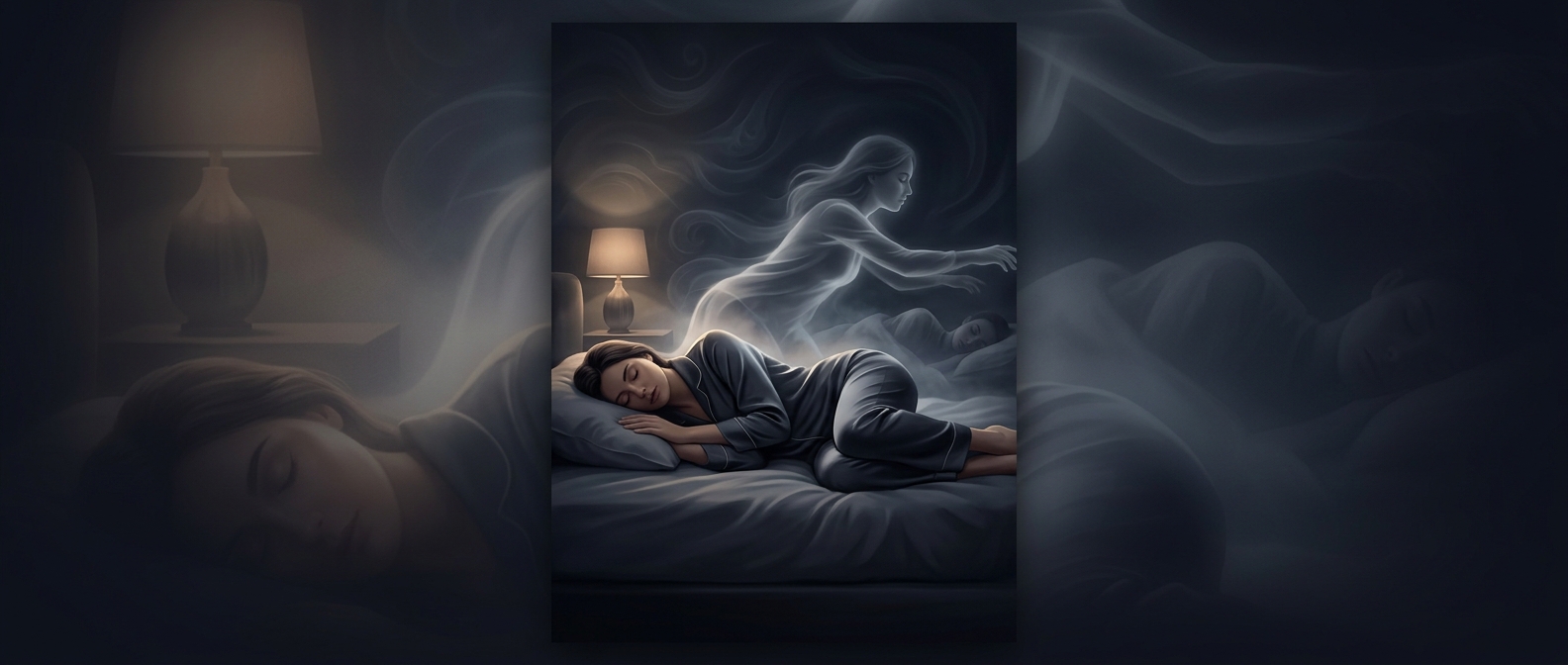
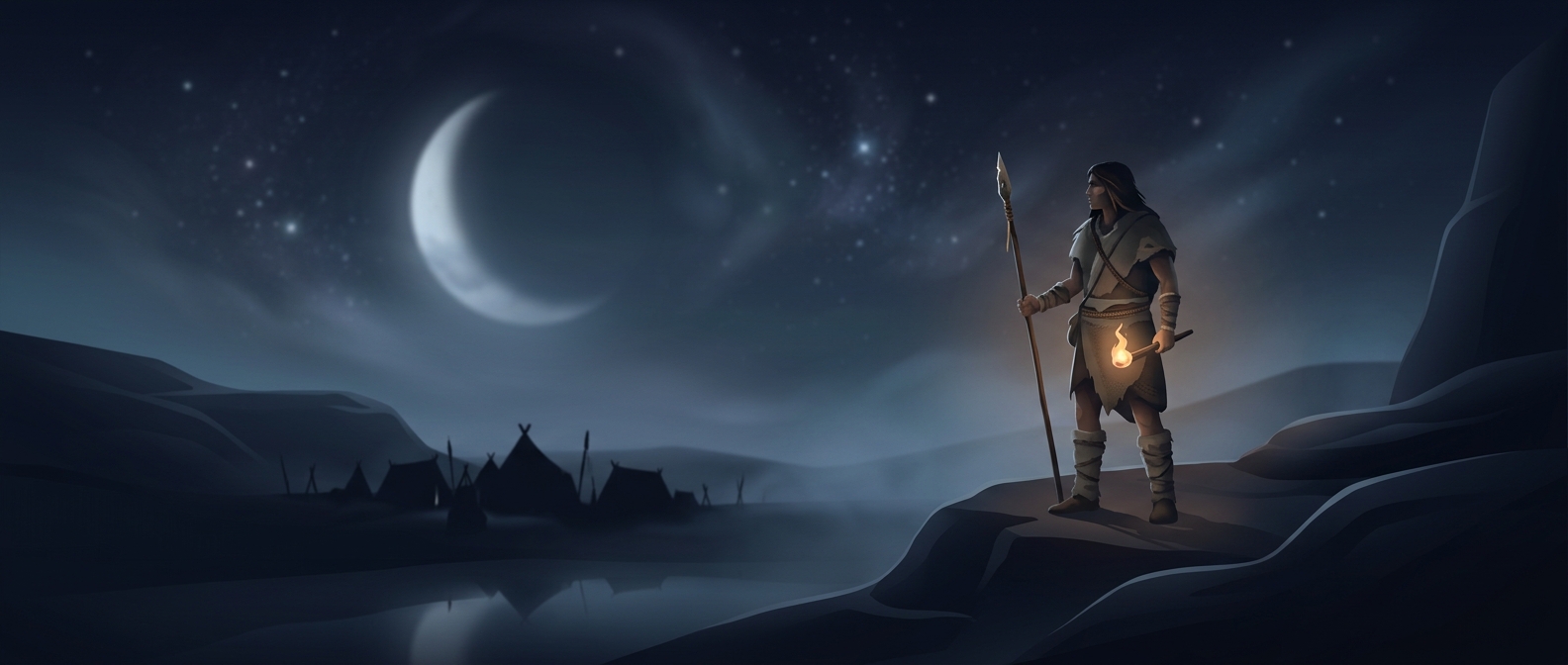
Imagine a small group resting in the dark. If everyone slept deeply at once, nobody would notice a nearby animal, an unfamiliar sound, or a person approaching. A member who woke easily—or who happened to be awake at a different hour—could notice a disturbance and alert the others. In that limited sense, variation in sleep timing might have offered a group a useful kind of coverage.
How Different Sleep Rhythms Could Spread the Risk
People do not all become sleepy or wake at exactly the same time. Differences in body clocks, along with differences in how easily people rouse, can leave some people more alert when others are asleep. If those differences occurred within a group, the chance that everyone would be deeply asleep simultaneously could be lower.
This resembles sharing a watch without assigning shifts: the group would not need every person to stay awake, only for alertness to overlap with the hours when others were less responsive. A light sleeper might hear a sound sooner, while someone who woke early could be alert near dawn.
A Possible Benefit, Not a Reason to Lose Sleep
The idea is an evolutionary possibility, not proof that insomnia evolved as a group service. Occasional wakefulness could have had a benefit in some circumstances, while repeated, distressing sleeplessness can impair concentration, mood, and health. The same tendency can have different consequences depending on its severity and setting.
The memorable trade-off is modest: in a sleeping group, one person’s unusual hour of alertness might sometimes have helped others rest more safely. That possibility does not make chronic insomnia harmless; it shows how a trait that burdens one person could, under particular conditions, offer a limited advantage to a group.