When sleep and waking overlap
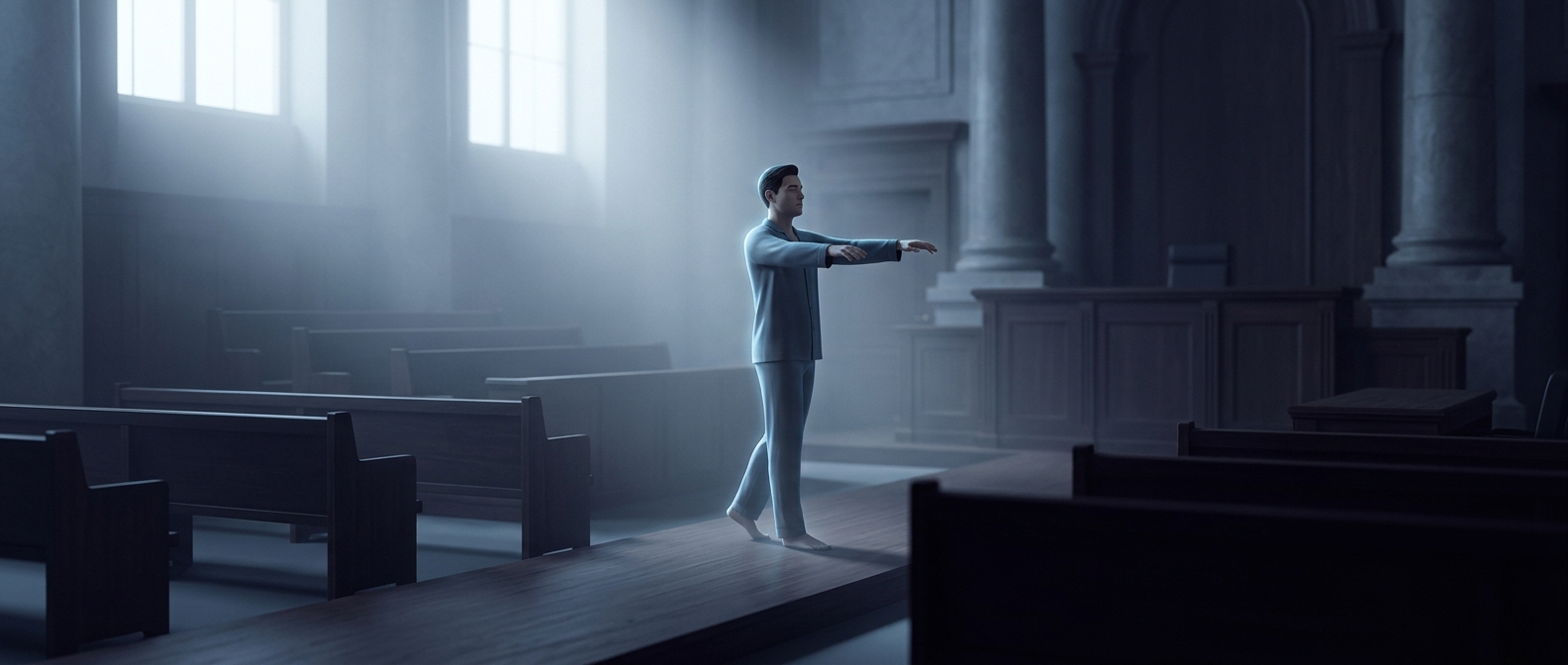
Sexsomnia is a type of parasomnia—an unusual behavior that occurs during sleep or while the brain is shifting between sleep and wakefulness. It is often understood as a partial-arousal event: systems that enable movement and familiar routines can become active before the systems responsible for full awareness and judgment are fully online.
That uneven transition helps explain why a person may carry out purposeful-looking actions without being awake in the ordinary sense. The behavior is not necessarily a dream being acted out; it can arise from the brain’s state of incomplete awakening. Because memory formation is also impaired during such an episode, the person may have little or no recollection afterward.
Why the distinction matters
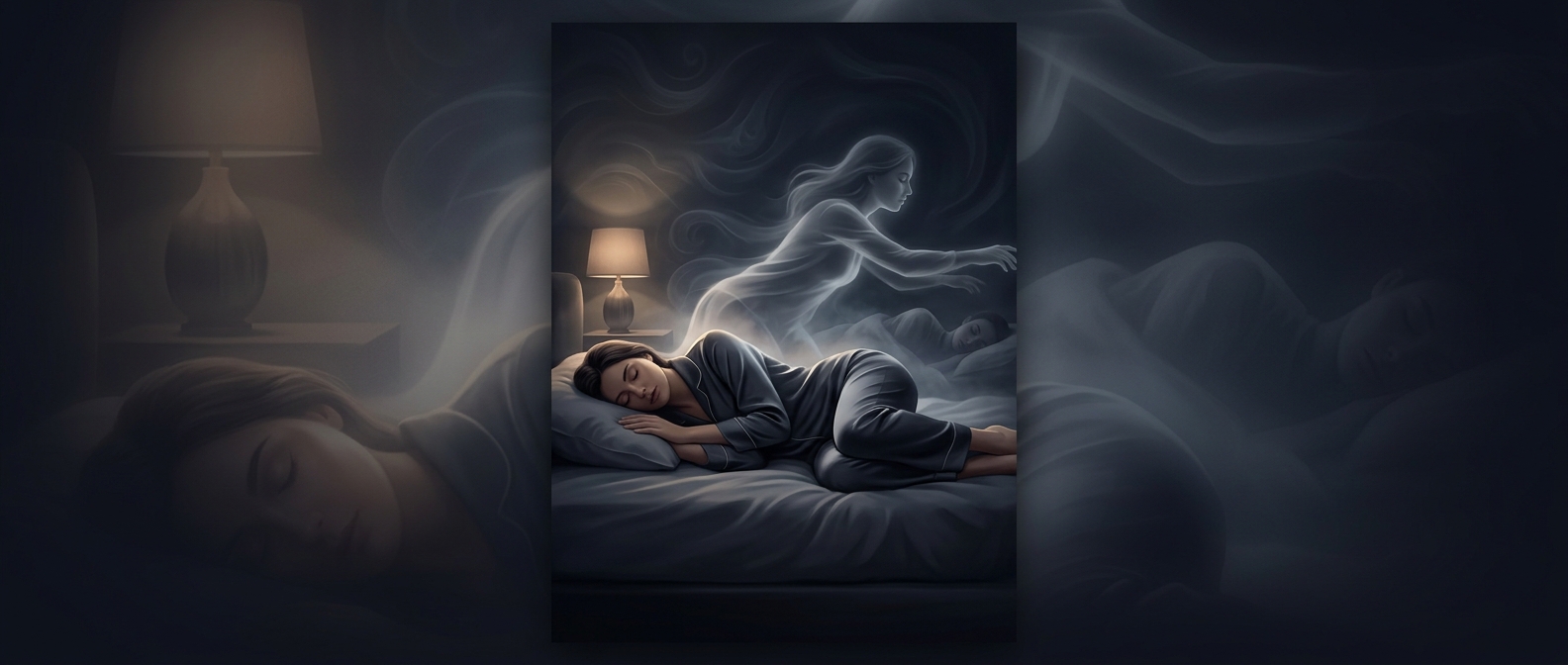
To someone nearby, the behavior can look deliberate. But appearance alone cannot establish what the person was aware of or intended at the time. At the same time, lack of awareness does not erase the effect on anyone involved: a sleeping person cannot consent, and an episode can be frightening or harmful for a partner.
Recurring or troubling episodes merit discussion with a health professional, who can consider sleep-related causes and distinguish them from other explanations. The practical point is that an action can look conscious while occurring in a state that is not fully conscious—a difference that matters both for care and for keeping everyone safe.