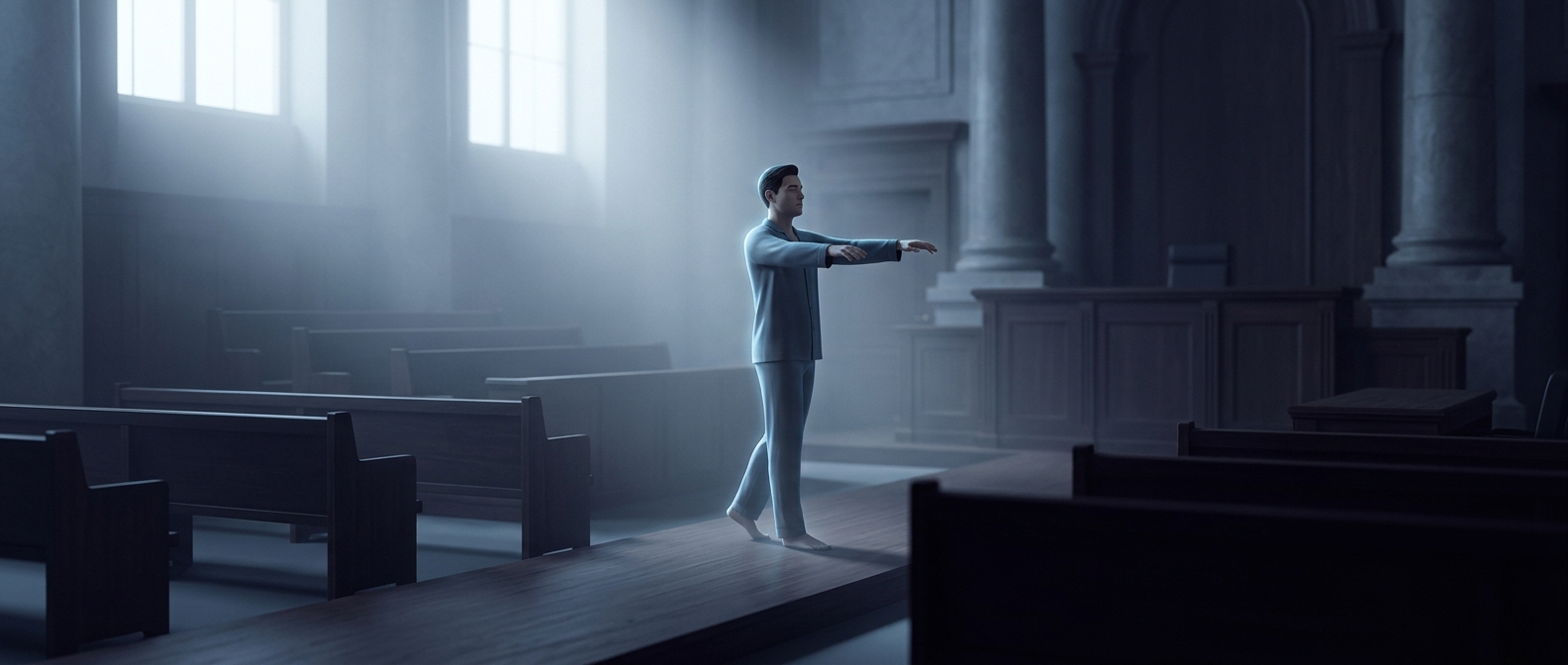
How an incomplete awakening can produce purposeful-looking actions
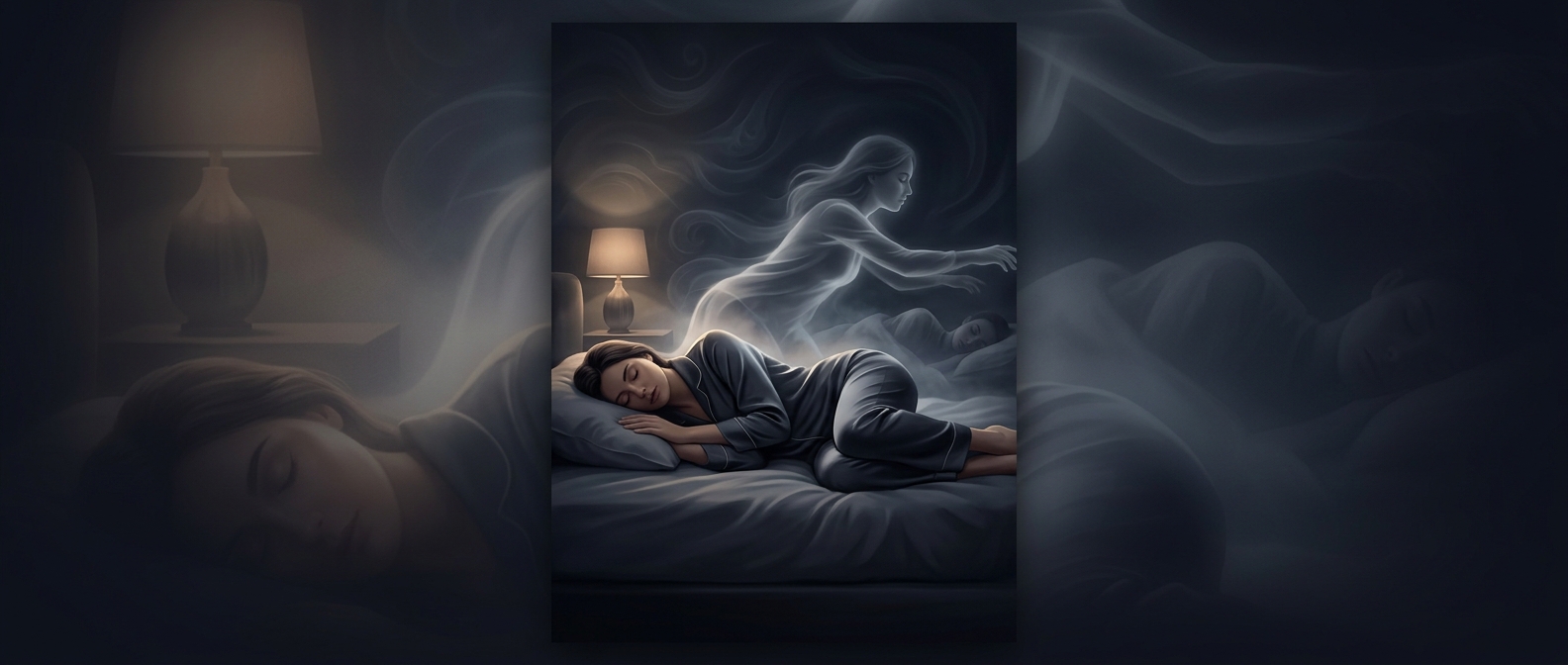
Sleepwalking is a form of parasomnia, a sleep-related behavior that can occur when the brain shifts only partway from deep sleep toward wakefulness. Systems involved in movement may become active while those supporting alert judgment, awareness, and memory remain less engaged. The result can look organized from the outside: a person may get up, walk around, or handle familiar objects without being fully conscious of what they are doing.
That mismatch matters because observers often infer intention from the complexity of an action. But a sequence that looks deliberate does not, by itself, establish that the person was awake, understood what was happening, or formed a conscious plan. Nor does the claim of sleepwalking automatically explain any particular act; the circumstances and evidence have to support it.
What the defense has to make plausible
In a murder case, a sleepwalking defense challenges the assumption that the accused acted with the awareness or intent the charge requires. The central question is not simply whether sleepwalking exists, but whether the person was in such a state at the relevant time. A court may have to weigh accounts of the person’s behavior, history of sleep-related episodes, and expert interpretation of the evidence. Details that seem inconsistent with an ordinary sleep episode can also matter.
The claim is difficult to assess precisely because the person may have little or no memory of the episode afterward. A memory gap can fit sleepwalking, but it cannot prove it: people may also fail to remember events for other reasons. The distinction has serious consequences. If a court accepts that an act occurred without the required conscious awareness, that can affect whether criminal responsibility is established; the outcome depends on the law and evidence in the case.
The striking point is that outwardly complex movement and conscious intention are not the same thing. In court, the task is to determine whether that gap actually explains what happened—not to treat every unexplained action or blank memory as evidence of sleepwalking.