Why time asleep is not the same as feeling restored
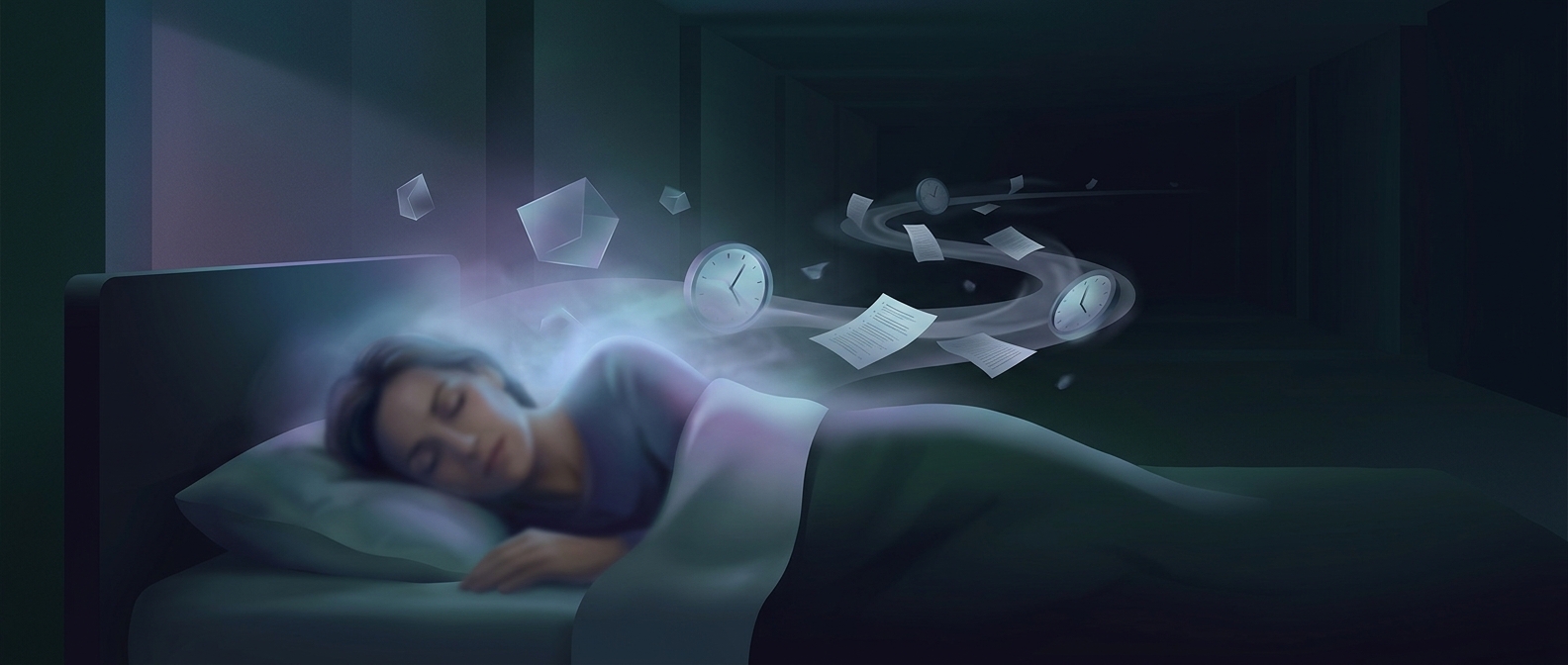
Ten hours in bed sounds like plenty, but duration alone cannot tell you how restorative the sleep was. Sleep moves through repeating stages, from lighter sleep into deeper sleep and periods of dreaming. If the night is repeatedly interrupted, you may spend less time in some stages or keep being pulled back toward lighter sleep. You can still have been asleep for many hours and wake without feeling refreshed.
Interruptions do not have to be dramatic or memorable. Noise, discomfort, breathing problems, stress, or other disruptions can briefly rouse the brain. Some awakenings are so short that you may not recall them in the morning, even though they fragment the night.
Your body clock can add a midday dip
Sleepiness also follows a daily rhythm, not just the amount of sleep you got the night before. The body’s internal clock helps regulate alertness across the day, and many people experience a natural dip in the early afternoon. That dip can feel stronger when sleep was poor, but it does not necessarily mean your body has run out of sleep after a certain number of hours.
A nap can therefore seem appealing even after a long night: lingering sleepiness and the ordinary afternoon lull can arrive together. Hours slept are only one part of the picture; how continuous and restorative the sleep was matters too.
When the pattern is worth noticing
An occasional sleepy afternoon is common. But regularly needing long sleep and still struggling to stay alert can point to a persistent problem with sleep quality, timing, or health. A simple record of bedtimes, awakenings, naps, and daytime sleepiness can help reveal whether the trouble follows a pattern—such as frequent interruptions or a consistent afternoon slump—rather than a shortage of hours alone.