Why a fragmented night can feel like no sleep
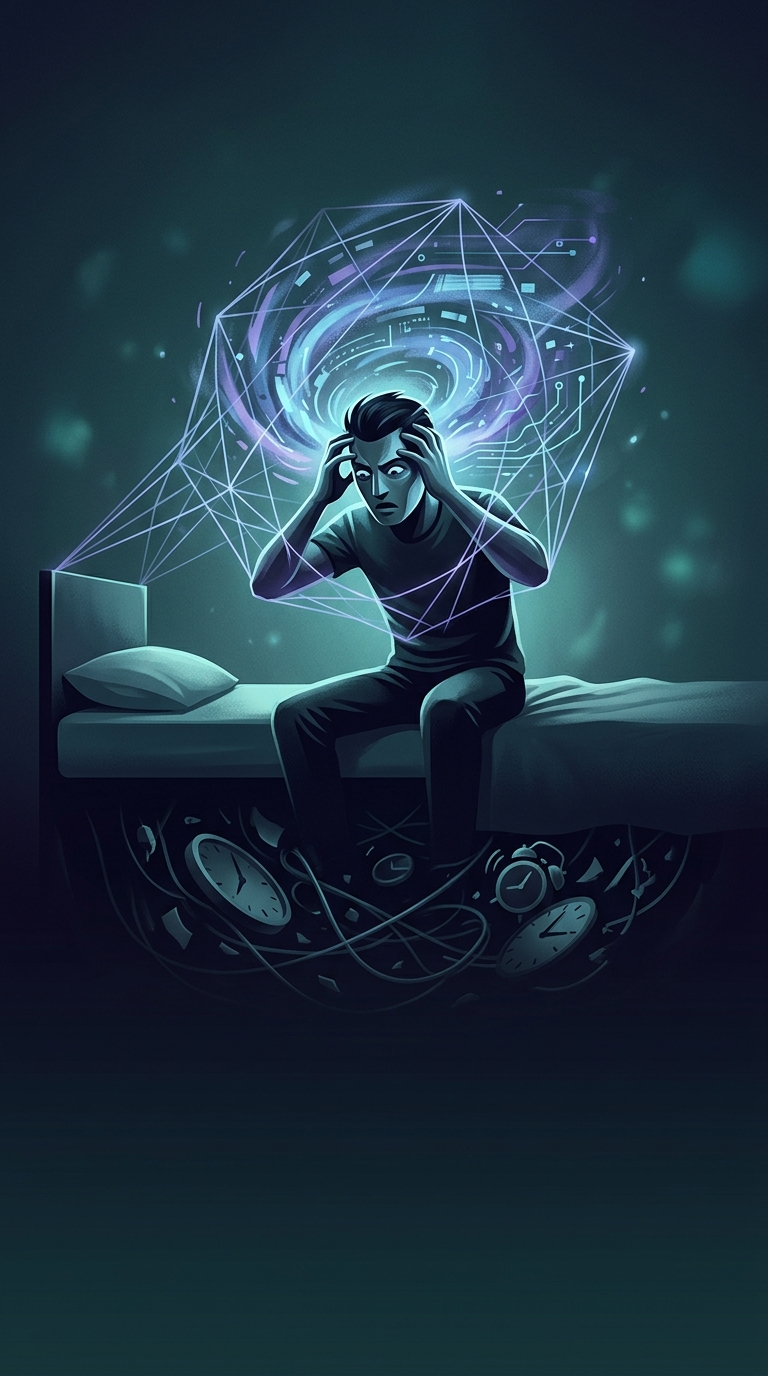
Sleep is not a single, uninterrupted state in which awareness switches off all at once. The brain cycles through different stages, and it can briefly become more alert between them. During light sleep or a short awakening, a person may notice a thought, a sound, or the sensation of still being in bed. If that moment feels like ordinary wakefulness, it can be remembered as evidence that the night was spent awake—even when sleep occurred around it.
Memory fills in the gaps
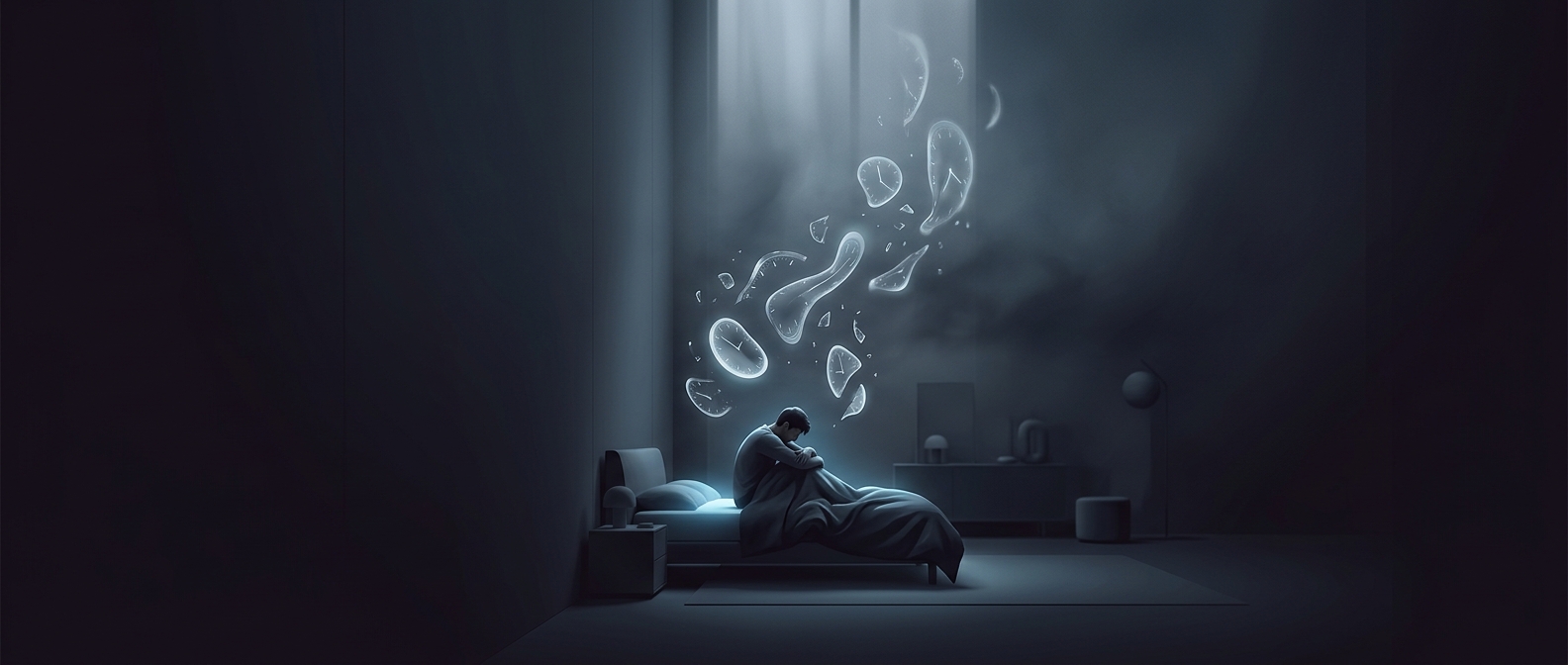
People do not keep a continuous record of the night. Quiet stretches of sleep usually leave little to recall, while minutes spent worrying about the clock or trying to fall asleep are vivid. By morning, memory can connect those vivid moments into a long stretch of wakefulness, with the less memorable sleep between them effectively missing from the story.
This mismatch between how much sleep someone feels they got and how much they actually got is sometimes called sleep-state misperception. It describes a difference in experience, not deliberate exaggeration: the night can genuinely feel exhausting even if it was not entirely sleepless.
Why the distinction matters
Feeling awake for much of the night still matters, because the distress and fatigue are real. But the sense that no sleep happened is not a precise minute-by-minute measure. That is why a person can be certain they were awake all night and still have slept in scattered, hard-to-remember intervals.