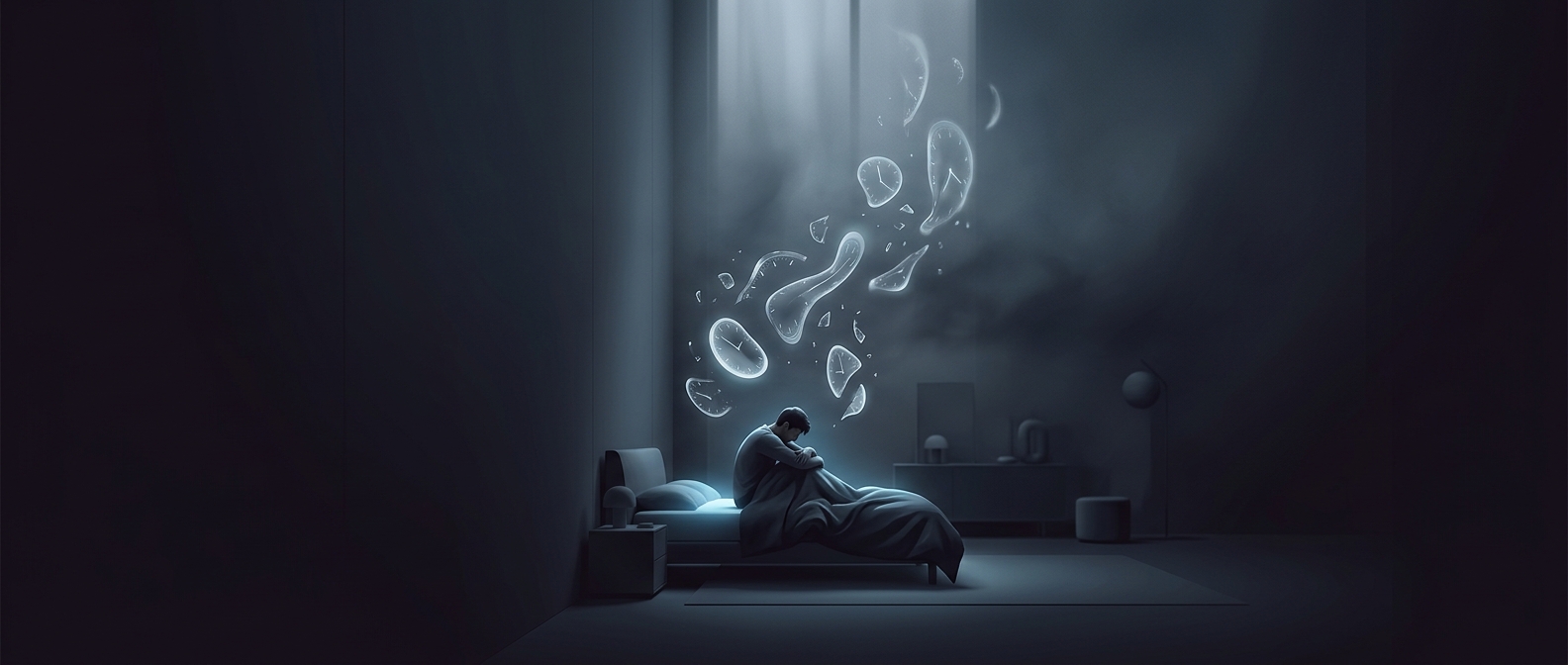
A late bedtime can reflect more than habit
People differ in chronotype—the timing their body naturally favors for sleep and alertness. Someone with a later chronotype may feel mentally switched on well after an early-to-bed person is ready to sleep. That preference can shape when a person reads, works on an idea, or explores something new, making late nights look like a deliberate personality choice even when body-clock timing also plays a part.
The proposed connection with intelligence is therefore about a pattern, not a simple chain of cause and effect. A tendency to question routines could make nighttime hours appealing; conversely, having more uninterrupted time to pursue interests might help explain why some people choose to stay awake. Neither explanation shows that staying up late makes someone smarter, or that intelligence determines a person’s sleep schedule.
The clock still has practical limits
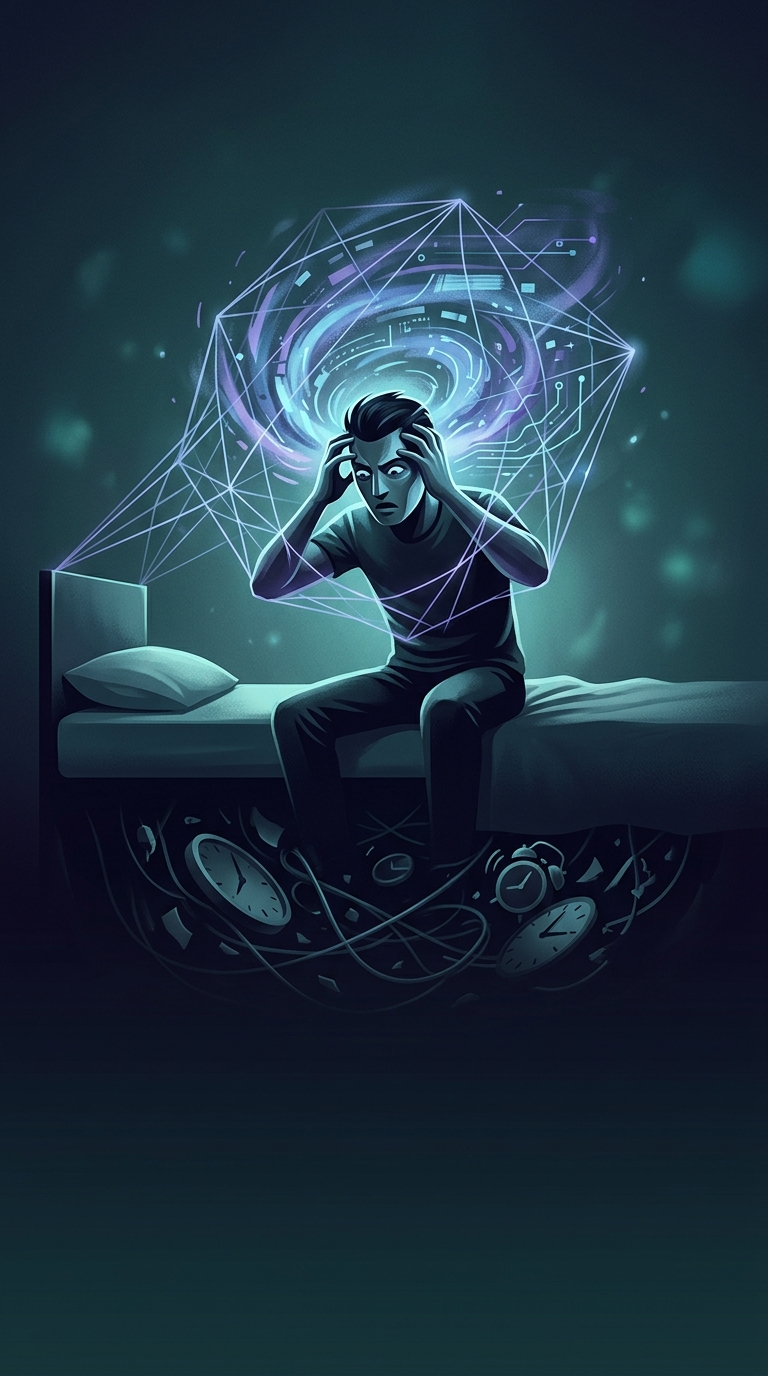
Late hours can offer a sense of freedom, but daily life often runs on an earlier schedule. When a late sleeper must regularly wake before feeling rested, the resulting sleep loss can make concentration and clear thinking harder—the opposite of the image of a sharper mind at night. A person’s preferred hours and the hours imposed by school, work, or family do not always line up.
That tension is why the association is best read as a clue about behavior and timing, not advice to delay bedtime. The more telling detail may be what the night permits: time to follow an interest on one’s own terms, until the next morning’s obligations come due.