Why Trying Hard to Sleep Can Keep You Awake
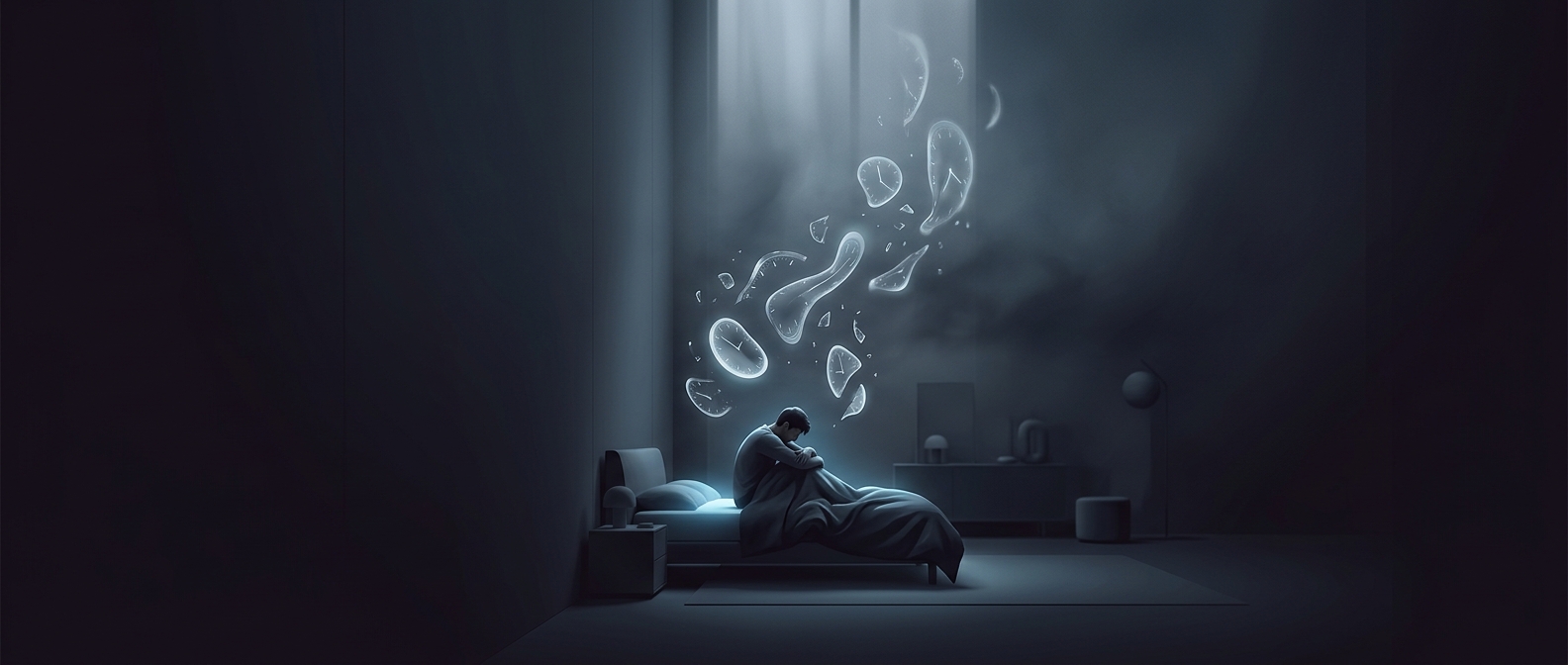
Sleep is not an action you can perform on command. It emerges as the brain’s alerting systems quiet down and the conditions for sleep take over. When you pressure yourself to fall asleep—checking the clock, calculating how many hours remain, or repeatedly asking whether you’re asleep—you give your brain a problem to monitor. That monitoring keeps attention engaged when sleep requires letting it fade.
The Body Reads Effort as Alertness
The effort can also bring on a mild stress response. Worry about tomorrow or frustration at being awake can increase physical arousal: your heart may beat faster, your muscles may tighten, and your breathing may become more deliberate. These are not signs that something is physically wrong; they are ordinary features of being alert. But they work against the relaxed state that makes falling asleep easier.
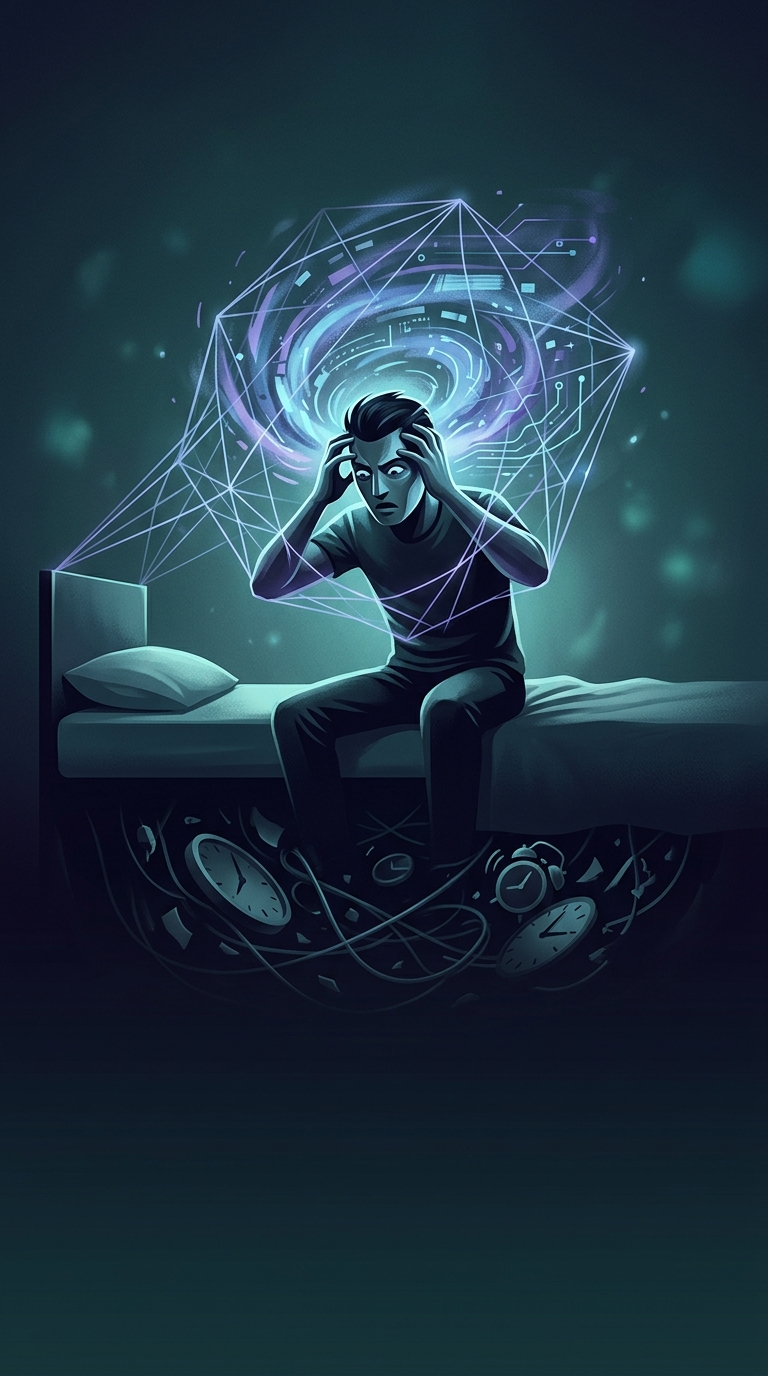
There is a feedback loop: you notice that you are still awake, become more determined to sleep, and grow more alert while checking for success. The harder you treat sleep as a task to accomplish, the more you may keep your attention—and body—prepared for action.
When the Bed Becomes a Cue for Worry
If this happens repeatedly, the bed itself can start to prompt frustration and vigilance rather than sleepiness. That learned association can make the next difficult night feel difficult sooner. The practical consequence is that sleep often comes more readily when the struggle stops: less clock-watching and less testing yourself for signs that you have drifted off. You cannot force the moment sleep begins, but you can avoid turning the attempt into another reason to stay alert.