How a familiar alarm becomes background
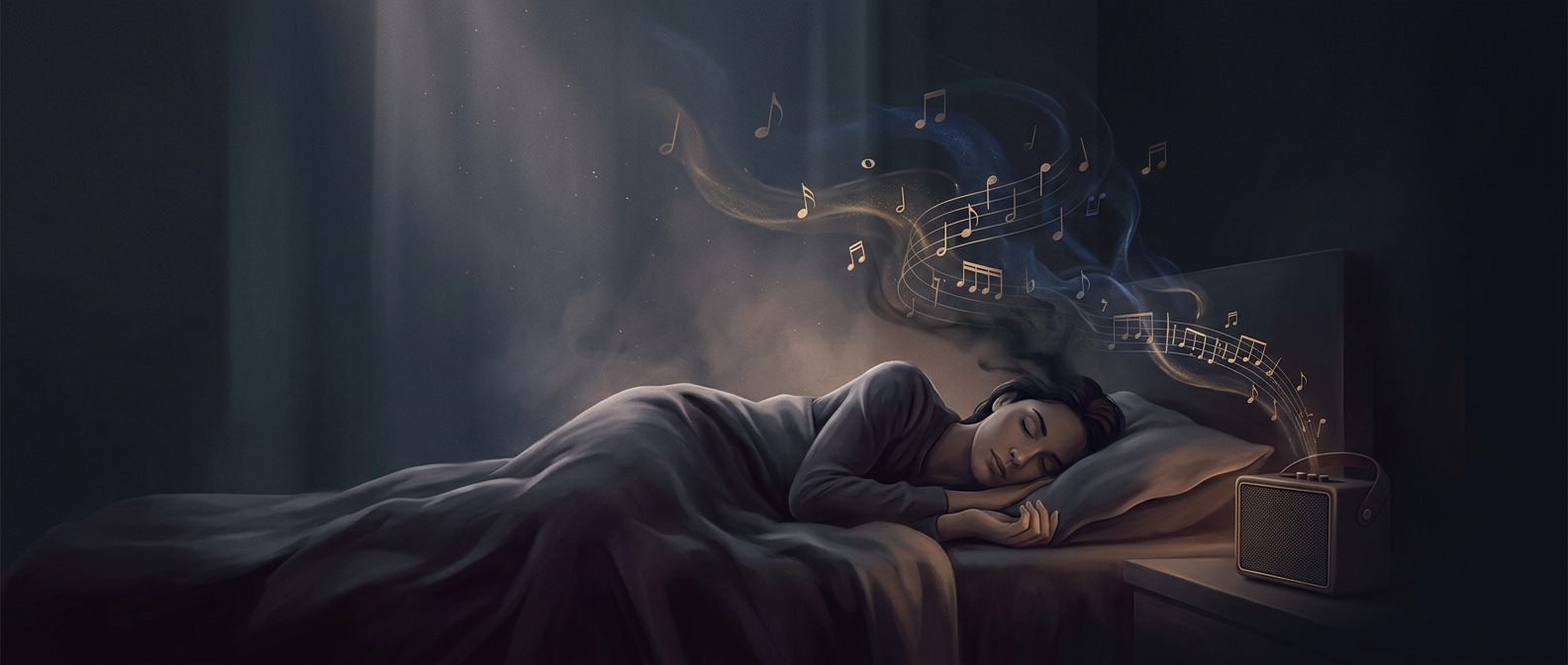
An alarm works only if the sleeping brain treats its sound as important enough to interrupt sleep. The first time a beloved song rings out, its opening may be novel and attention-grabbing. After many mornings, the brain has a different prediction: it recognizes the pattern and expects what comes next. That familiarity can make the sound less effective at drawing attention.
The brain learns what it can ignore
This is a form of habituation: repeated exposure to a sound can reduce the response it triggers, especially when the sound brings no new information. The tune has not become quieter, and your ears have not stopped detecting it. Rather, the brain is less likely to treat the same opening as a signal that demands action.
That distinction helps explain why a song can remain emotionally powerful when you choose to listen to it, yet fail as an alarm. In one case, you are engaged and anticipating the music; in the other, you are asleep, and the repeated cue has become predictable. Enjoyment alone does not guarantee that a sound will keep interrupting sleep.
Changing the cue can restore surprise
A different alarm sound may work better because its timing and pattern are less familiar. Even a new song can lose its edge if the same opening repeats every morning, so changing the cue from time to time may help preserve its ability to stand out. The practical lesson is simple: the best wake-up sound is not necessarily your favorite—it is one your sleeping brain has not learned to tune out.