Nightmares can act like a threat rehearsal
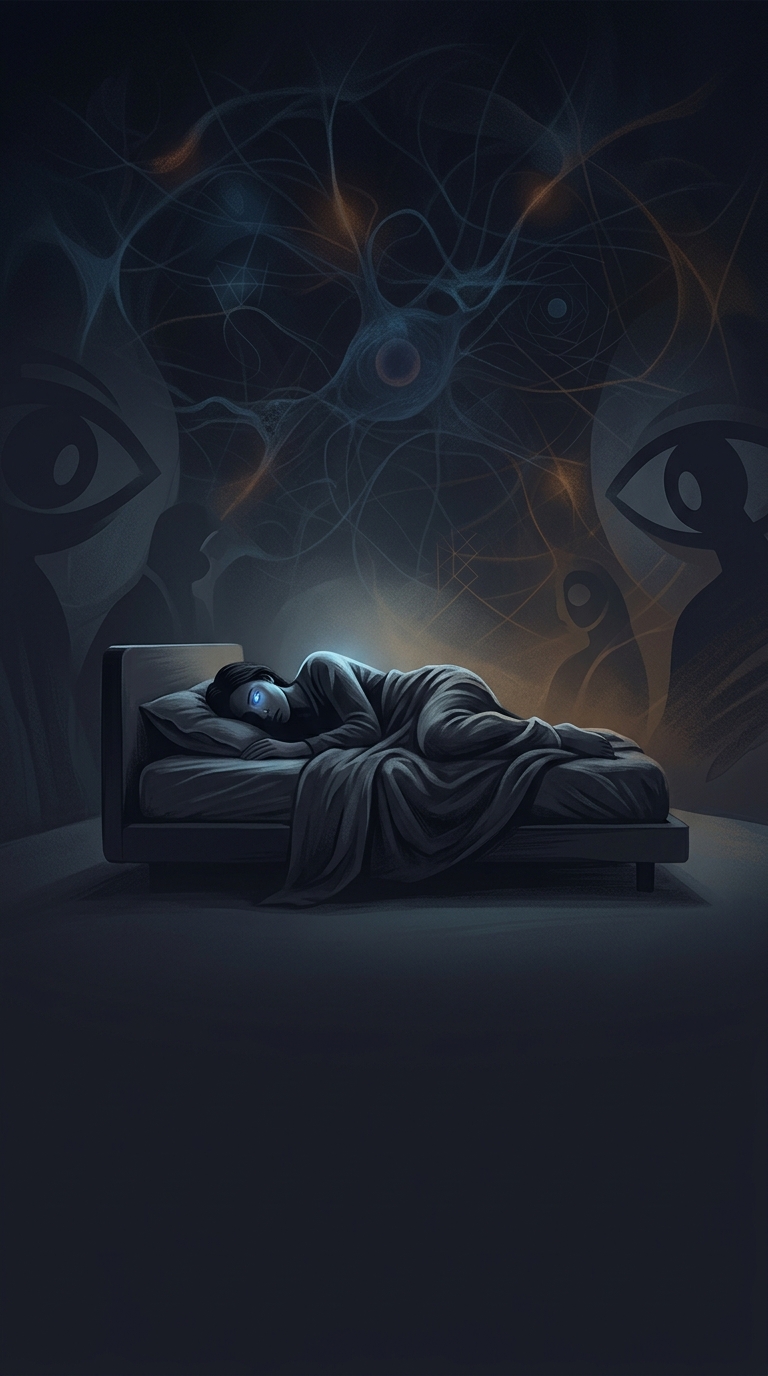
A nightmare can turn fear into a vivid scene: being chased, trapped, or unprepared. One influential idea in psychology is that threatening dreams give the mind a kind of simulator. While asleep, it can run through danger and possible responses without exposing the body to real risk. The scenario may be frightening, but the rehearsal could help make threats feel more familiar and sharpen how we notice or react to them when awake.
This does not mean the brain deliberately creates every nightmare as a useful lesson. Dreams are not reliable training plans, and researchers have not established that each frightening dream serves a purpose. The “rehearsal” idea is best understood as one way nightmares might reflect the brain’s work with fear and threatening memories.
Why the fear feels so real
During dreaming sleep, the brain can produce intense images and emotions while the body remains largely still. A stressful memory or worry may therefore be woven into a dramatic scene, even when the details are bizarre. In some cases, revisiting a fear in a dream may help the mind incorporate its emotional charge into memory rather than leaving it as an unprocessed alarm.
That possible benefit has limits: frequent, distressing nightmares can disrupt sleep and leave someone anxious or exhausted. But an occasional nightmare may be more than random horror. It can be the mind’s way of staging danger—and, in effect, letting us wake up before the imagined threat reaches us.