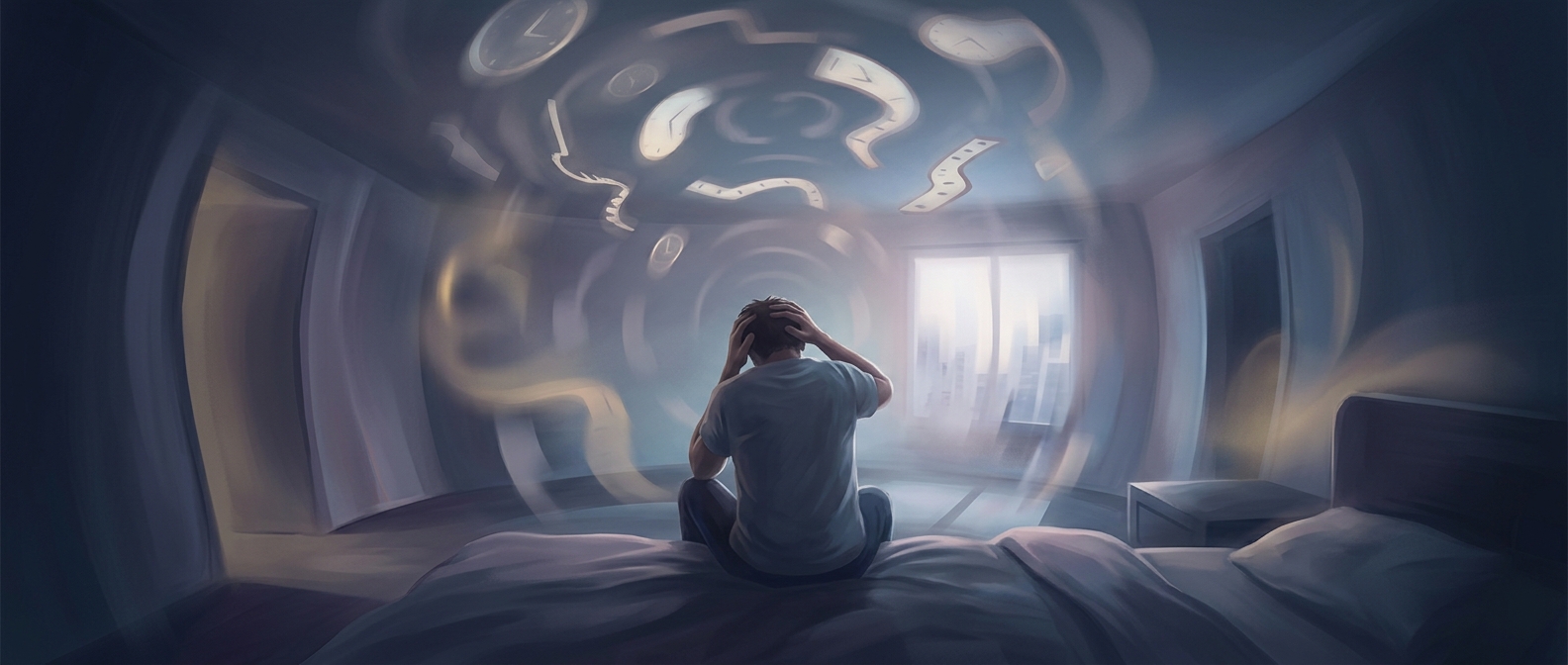
Why a familiar dream can return
A recurring dream may repeat because the emotion at its center has not gone away. If waking life keeps bringing stress, fear, or a sense of being trapped, sleep may revisit the same emotional material. The setting and plot can recur even when the day’s events are different.
The feeling is steadier than the details
Dreams are not usually literal recordings of experience. During sleep, the brain draws on memories, concerns, and feelings, combining them into scenes. A familiar dream can therefore act like a well-worn story: its imagery gives shape to an emotion that still feels relevant. The scene may be dramatic, but that does not make it a coded message or a prediction.
This also helps explain why a dream can continue after its original trigger has changed. The mind may keep returning to a recognizable pattern while the underlying worry remains active—or because a similar feeling has surfaced in a new situation. The repeated plot itself does not identify the cause; the useful clue may be the emotion that follows the dream into waking life.
What repetition can—and cannot—tell you
A recurring dream can be a prompt to notice what has been weighing on you, not proof that one specific event or hidden meaning is responsible. If the dream is distressing or repeatedly disrupts sleep, it may be worth discussing with a health professional. Otherwise, tracking when it appears and how you feel upon waking can make the pattern easier to connect to everyday stress.
The same dream can return because the mind has found a familiar scene for a feeling that is still asking for attention—not because the scene predicts what comes next.