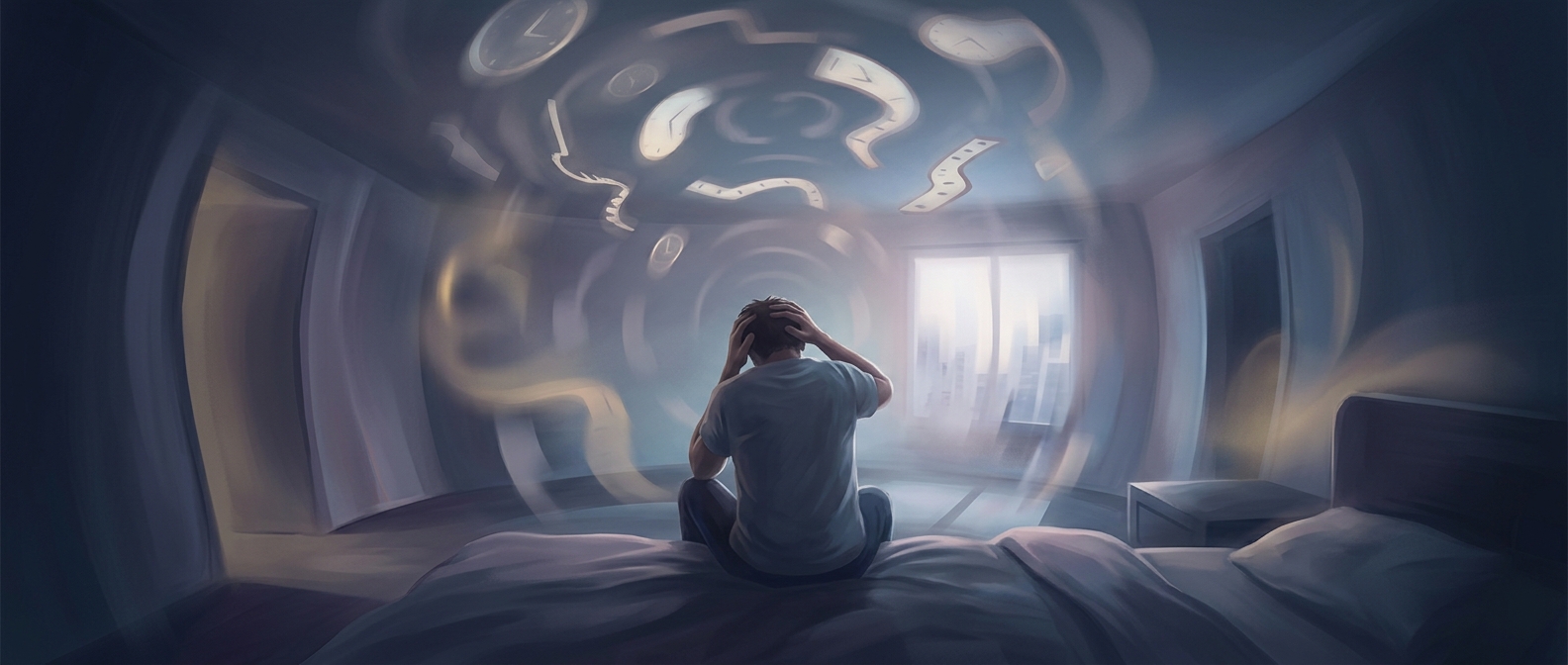
Talk to yourself as if you were someone else
When you are exhausted, a useful mental shift is to stop asking, “Can I handle this?” and give yourself the kind of instruction you might offer another person: “You know how to start—do the next step.” Using your own name or “you” instead of “I” creates a small distance between you and the problem.
That distance can make it easier to treat a stressful task as something to manage rather than as a verdict on your abilities. Instead of getting caught in a loop of frustration—“I’m too tired; I’m going to fail”—you can focus on the task’s immediate demands: read the question, choose a method, check the result.
Why the shift can help
The trick does not supply missing sleep or restore depleted energy. It changes how you direct attention. First-person thoughts often blend the task with your feelings about it. Addressing yourself from the outside can make your own advice easier to hear and follow, much as it might be when helping a friend.
That can matter for performance because fatigue is not only physical heaviness; it also makes it harder to stay engaged and regulate frustration. A brief, concrete cue can keep attention on the next action instead of the whole intimidating task. The effect is best understood as a way to use your remaining mental resources more deliberately—not as a substitute for rest or a guarantee of sharper thinking.
Make the instruction specific
Before a demanding task, try phrasing one useful prompt in the second or third person: “You can work through this one step at a time,” or “Jordan, check the instructions first.” Keep it practical and tied to an action. When energy is low, a clear next step is easier to follow than a demand to feel motivated.