Why a threat can become a chase
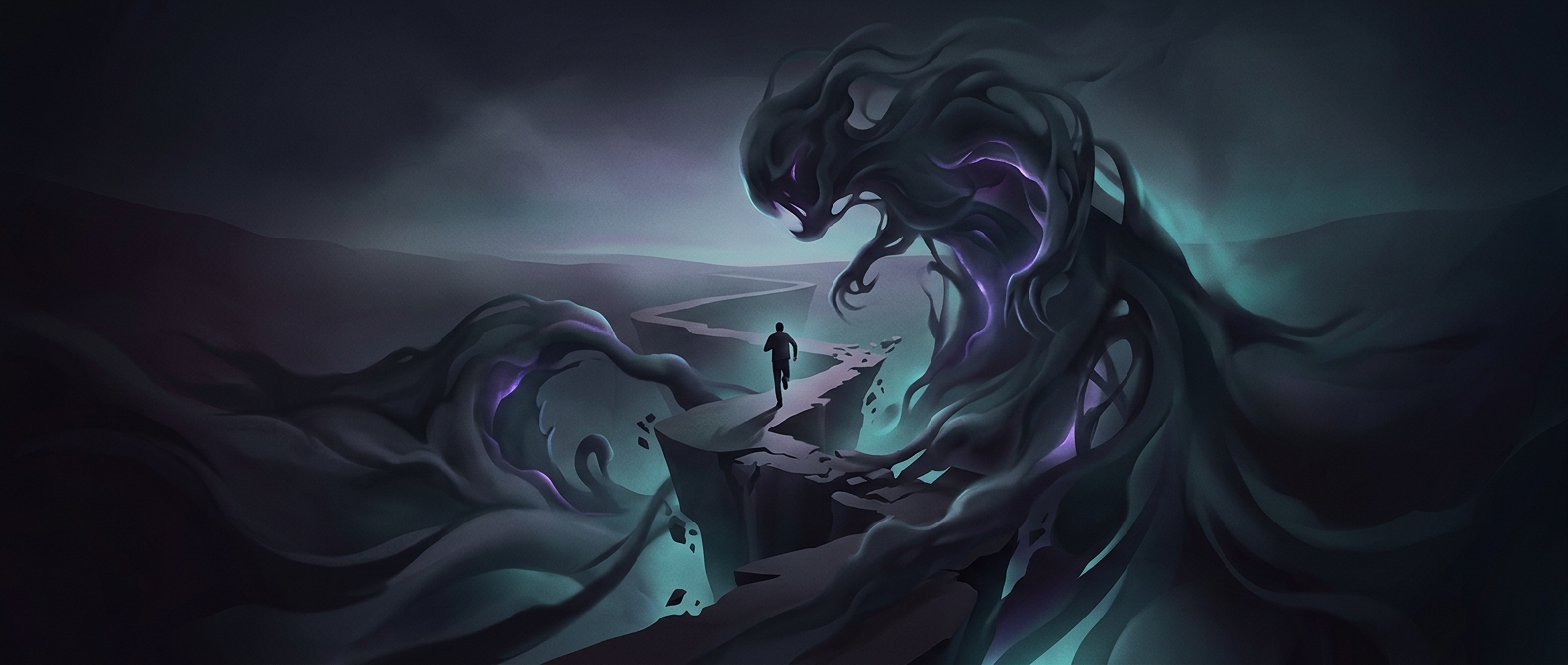
A chase dream can give an uneasy feeling a simple plot: danger is behind you, and escape is the urgent task. The brain does not need to reproduce a waking event exactly. During sleep, fragments of memories, worries, and emotional reactions can be combined into a scene that feels coherent while you are in it. A pursuer supplies a visible threat; the effort to flee gives the dream a direction.
The body joins the scene
In REM sleep, the stage associated with many vivid dreams, brain activity can be lively while most large muscles are temporarily kept from carrying out dream movements. That separation helps explain why a dream can feel physically intense without your body actually sprinting through the room. Fear and urgency can still shape the experience: you may feel trapped, slow, or unable to call for help because those sensations fit the danger unfolding in the dream.
The pursuer may be beside the point
There is no universal code in which a particular pursuer or escape route has one fixed meaning. The dream’s emotional pattern may be more revealing than its cast: pressure, avoidance, or lack of control can echo feelings from waking life, though a single dream cannot identify their cause on its own. That is why the same basic chase can take different forms from one person—or one night—to the next. The memorable detail is often not who is chasing you, but the feeling that you have to act before you are ready.