Why a sleeping body can become a falling dream
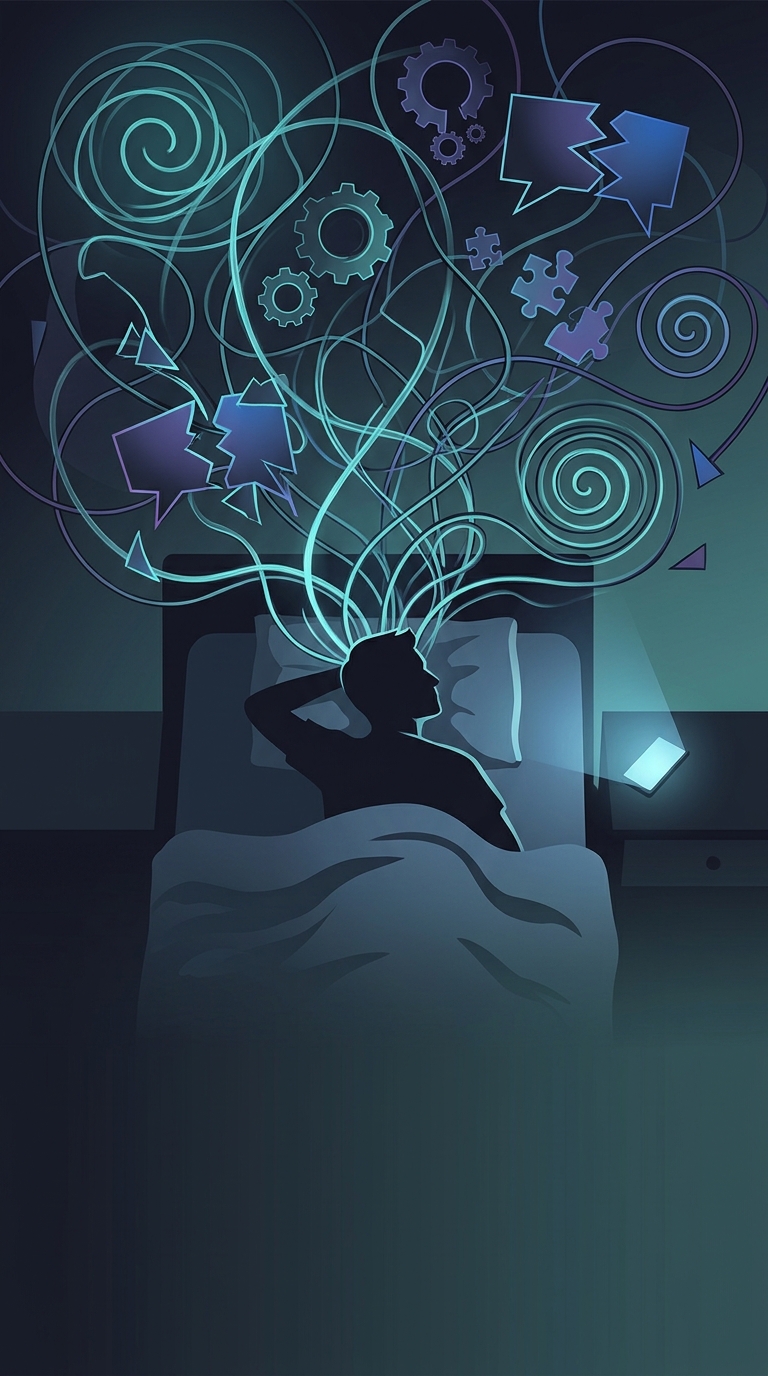
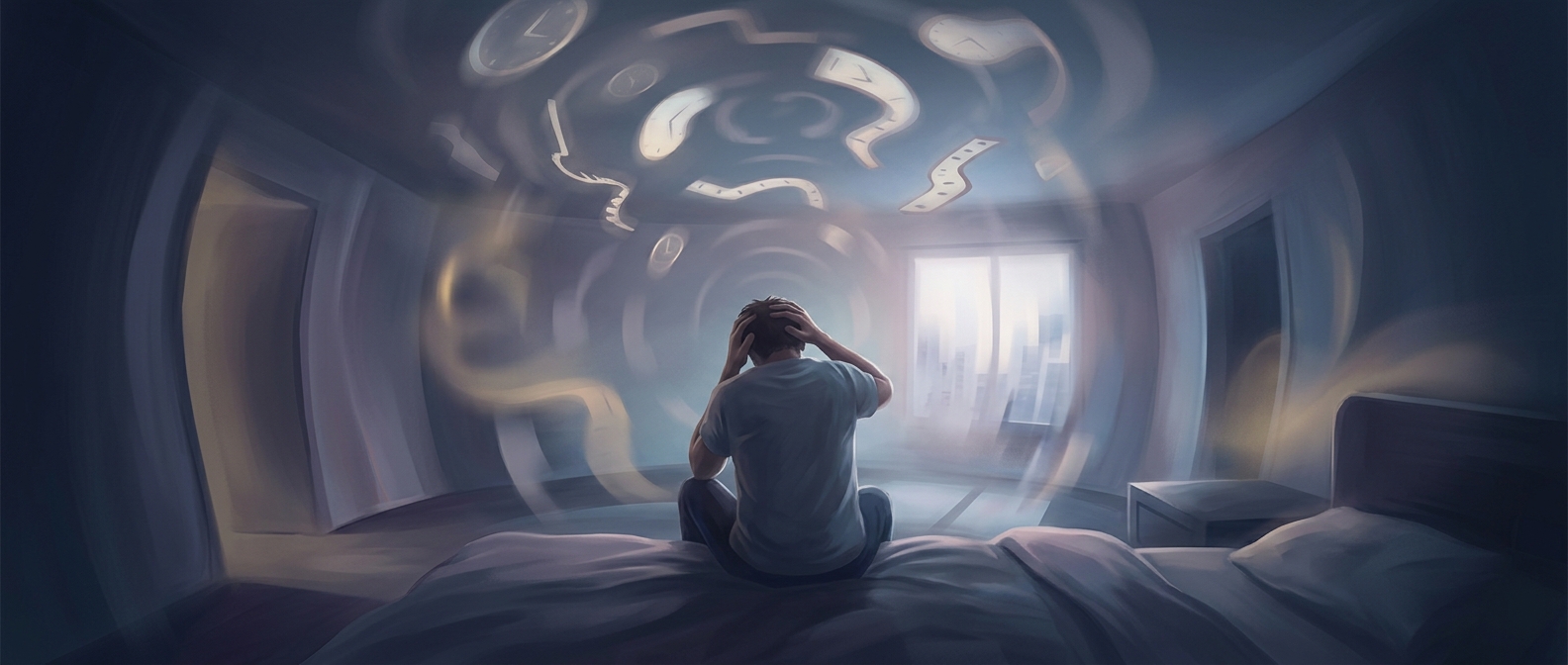
As sleep begins, the brain shifts out of the alert state that keeps the body ready for deliberate movement. Muscles relax, and the stream of information that normally helps you track your posture and balance becomes less reliable. A brief, involuntary muscle twitch can interrupt that transition. When it does, you may feel a sudden jerk or lurch just as your awareness is slipping away.
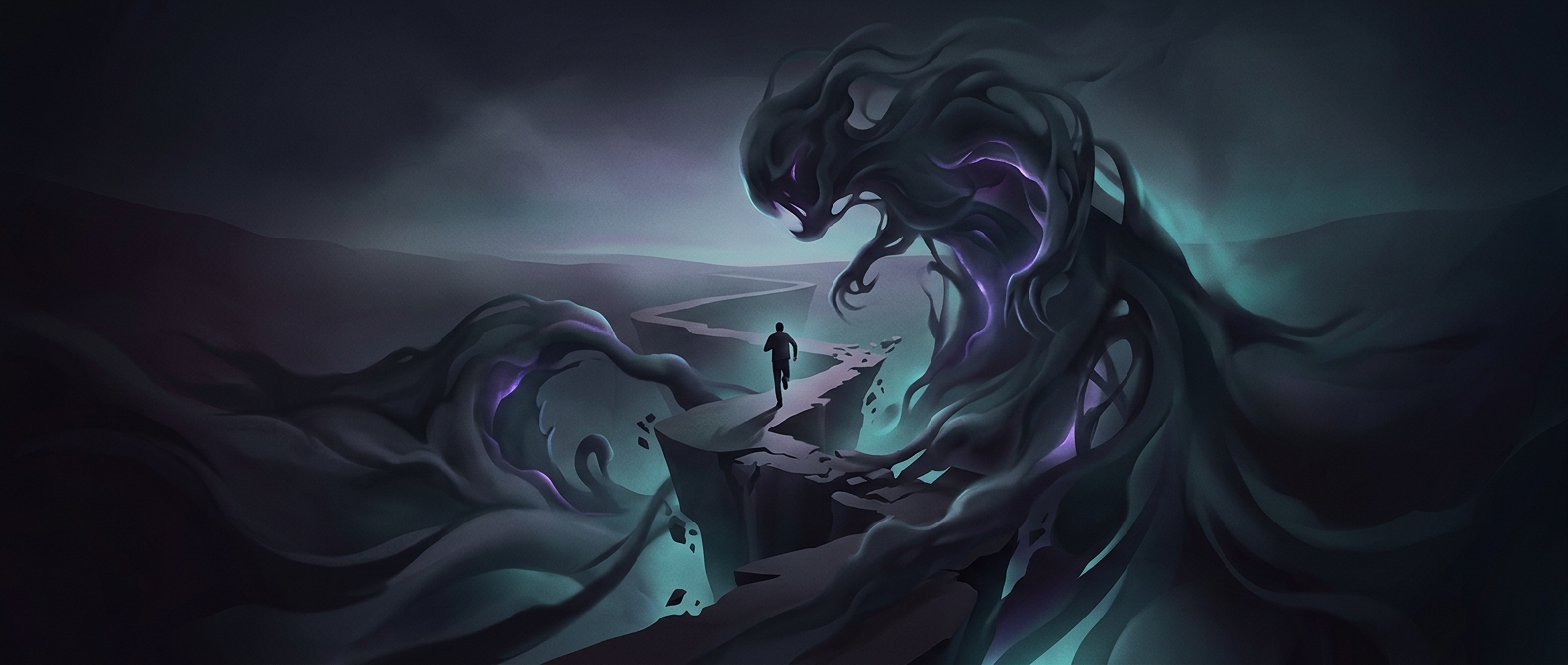
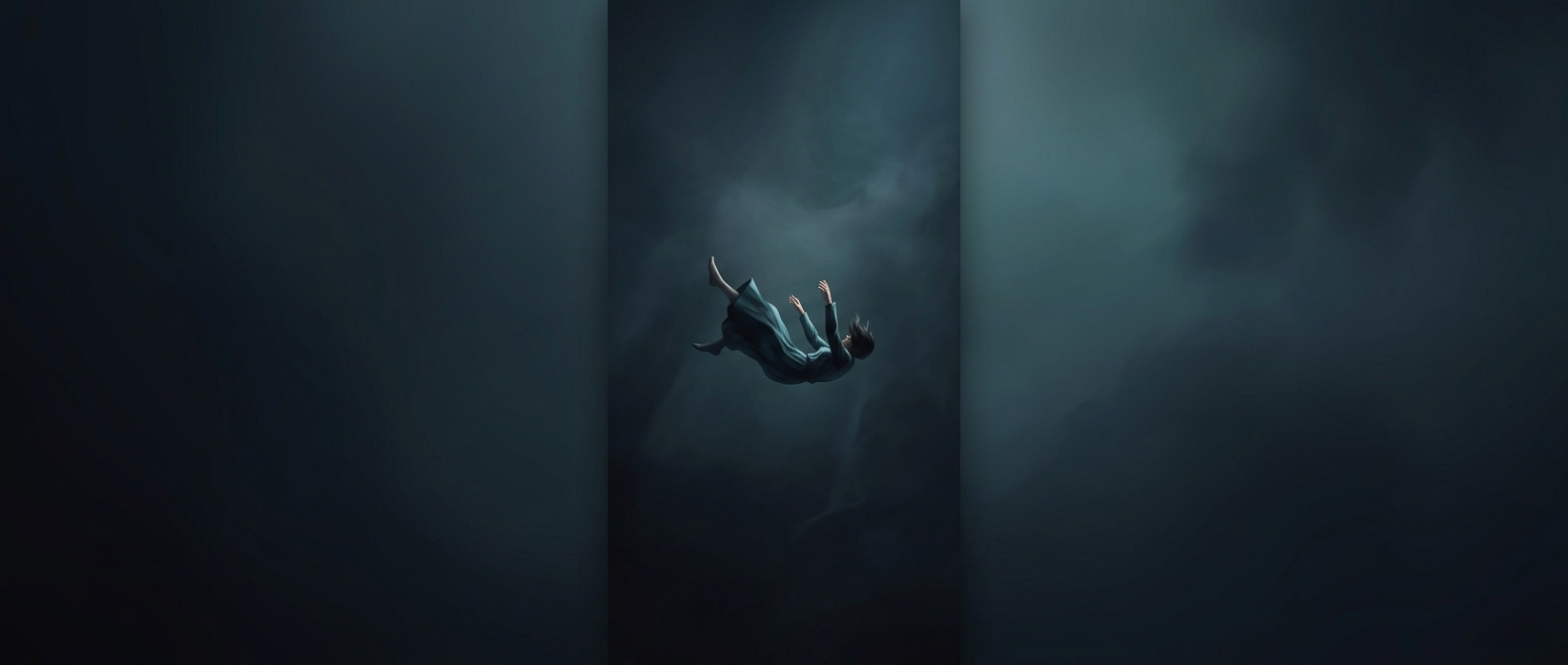
The sensation itself is physical, but the falling scene is a possible interpretation. Dreams often build a story around fragments of sensation, emotion, and memory rather than receiving a complete, orderly report from the body. A jolt with no obvious cause can be made legible as a stumble, a drop, or a missed step.
Why the jolt can feel so alarming
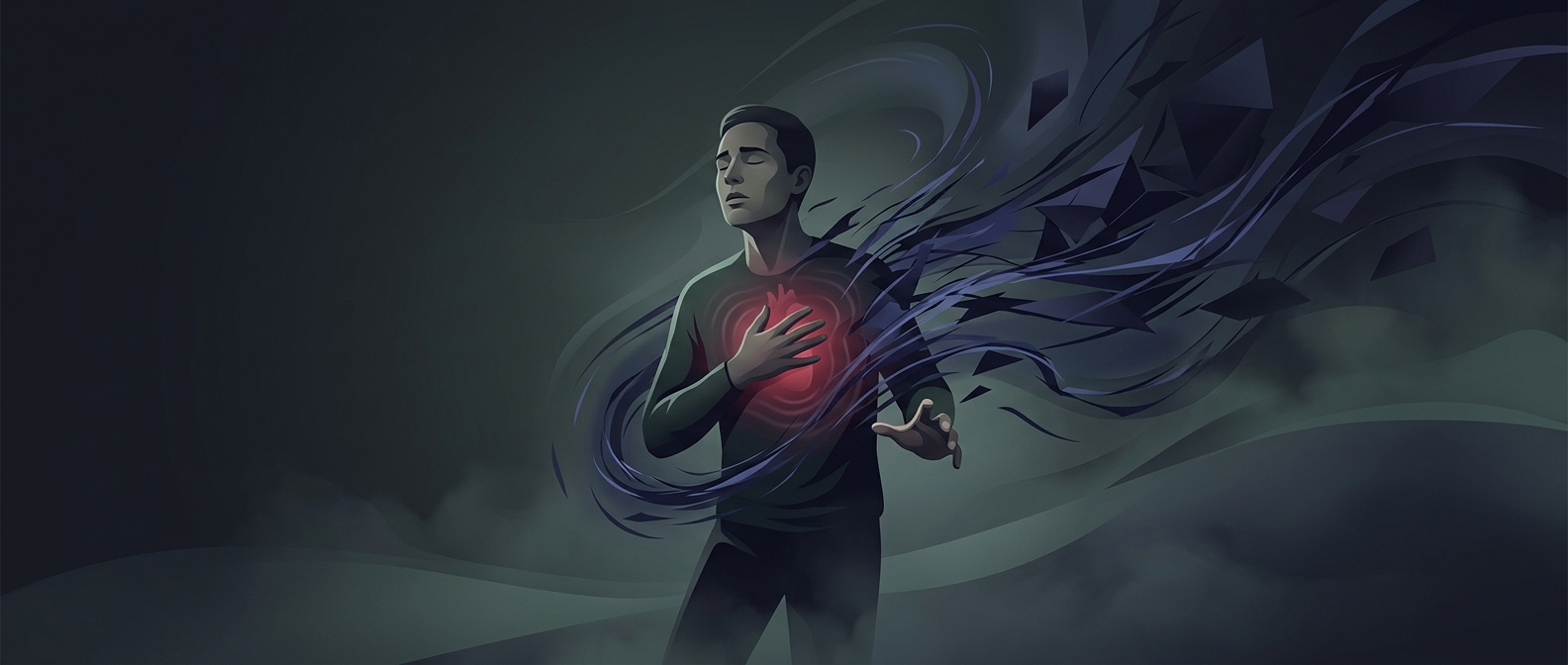
While awake, a sudden loss of balance prompts an immediate response: you brace, reach out, or adjust your footing. At the edge of sleep, that familiar alarm can still flare even though there is no real fall to stop. The dream supplies a danger that fits the feeling, and the body’s startle response can bring you abruptly back to awareness.
The result is a striking mismatch: a small twitch can acquire the scale of a plunge. The dream does not need to predict a fall; it can be the mind’s quick explanation for a bodily jolt during the transition into sleep.