How Light Sets the Body’s Daily Schedule
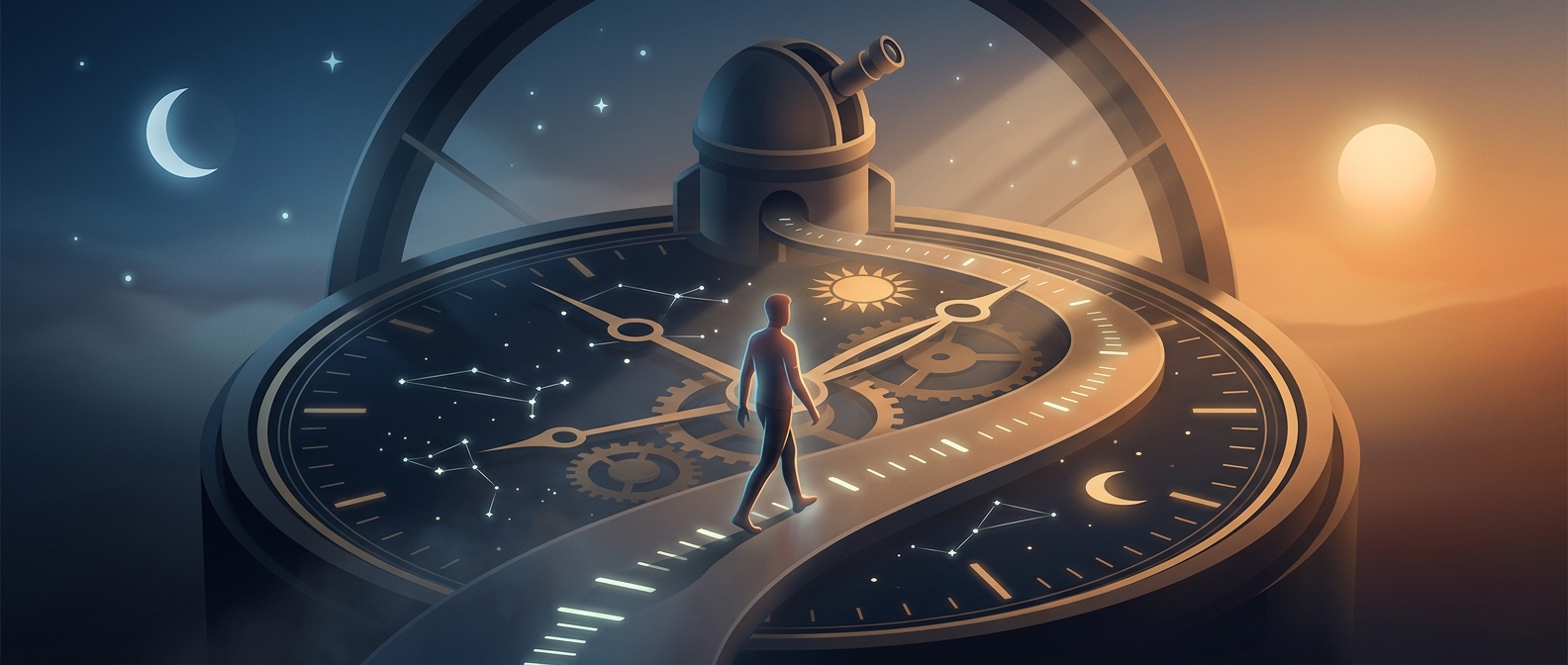
Circadian rhythms are roughly 24-hour patterns in body functions. They are coordinated by a timekeeping system in the brain, which uses signals from the eyes to stay aligned with the outside world. Light is especially useful because its timing tells the brain whether it is biological morning or night—even when a person is indoors and cannot see a clock.
Light-sensitive cells in the retina detect brightness and send timing information to the brain’s central clock. That clock helps synchronize rhythms across the body, including the release of hormones and daily changes in temperature and alertness. It does not simply switch sleep on or off; it helps organize when the body is more prepared for sleep and when it is more prepared to be awake.
Why Timing Matters
A light signal has different effects depending on when it arrives. Morning light generally helps move the body’s schedule earlier, while light late in the evening can push it later. In practical terms, bright light after waking can reinforce an earlier start, whereas a brightly lit, screen-filled evening may make it harder for the body to wind down at its usual time.
This is why changing a sleep schedule is not only a matter of deciding to go to bed earlier. The body’s clock may still be promoting alertness at that hour. Repeating light and darkness at consistent times gives it clearer cues: daylight helps mark the start of the active part of the day, and darkness supports the transition toward night.
The Clock Is Internal, but Not Isolated
Circadian timing can continue without visible cues, but it may drift away from the local day. Light acts as a daily reset, helping keep internal timing in step with sunrise and sunset. That makes the brightness around us more than a backdrop: it is information the brain uses to schedule the body’s next stretch of wakefulness and rest.