Why a curse can blunt a stubbed toe
A sudden swear word can briefly make pain feel more manageable. In controlled pain tests, people who repeated a familiar curse word often tolerated discomfort longer than people who repeated a neutral word. The effect is a short-term change in pain tolerance—not a sign that the injury has become less severe.
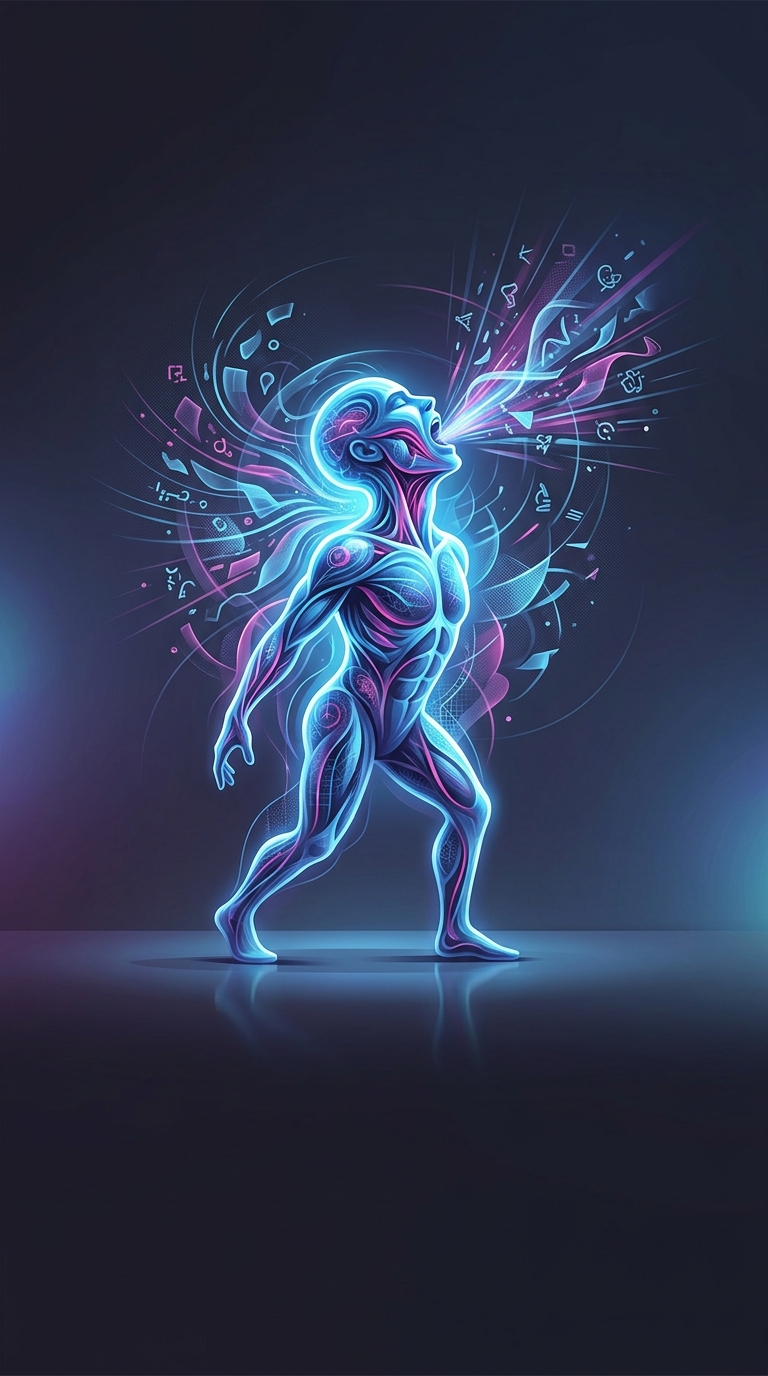
One likely contributor is the body’s quick alarm response. Swearing can raise arousal, including heart rate, as the brain reacts to an emotionally charged word. That burst of alertness may temporarily help the body bear an unpleasant sensation, a pattern sometimes called stress-induced pain relief. Researchers have not pinned the effect on one single mechanism.
Why the words matter
A swear word is not just another sound: it carries emotional force learned from experience and social context. Saying it can also pull attention away from pain for a moment. By contrast, repeating a neutral word may not produce the same emotional jolt.
The benefit has limits. It is temporary, and it may fade when someone swears constantly, because the words lose some of their emotional punch. So when a toe meets a table leg, the outburst may help you endure the first sharp sting—but it cannot undo the bruise.