How Looking Away Can Soften a Needle’s Approach
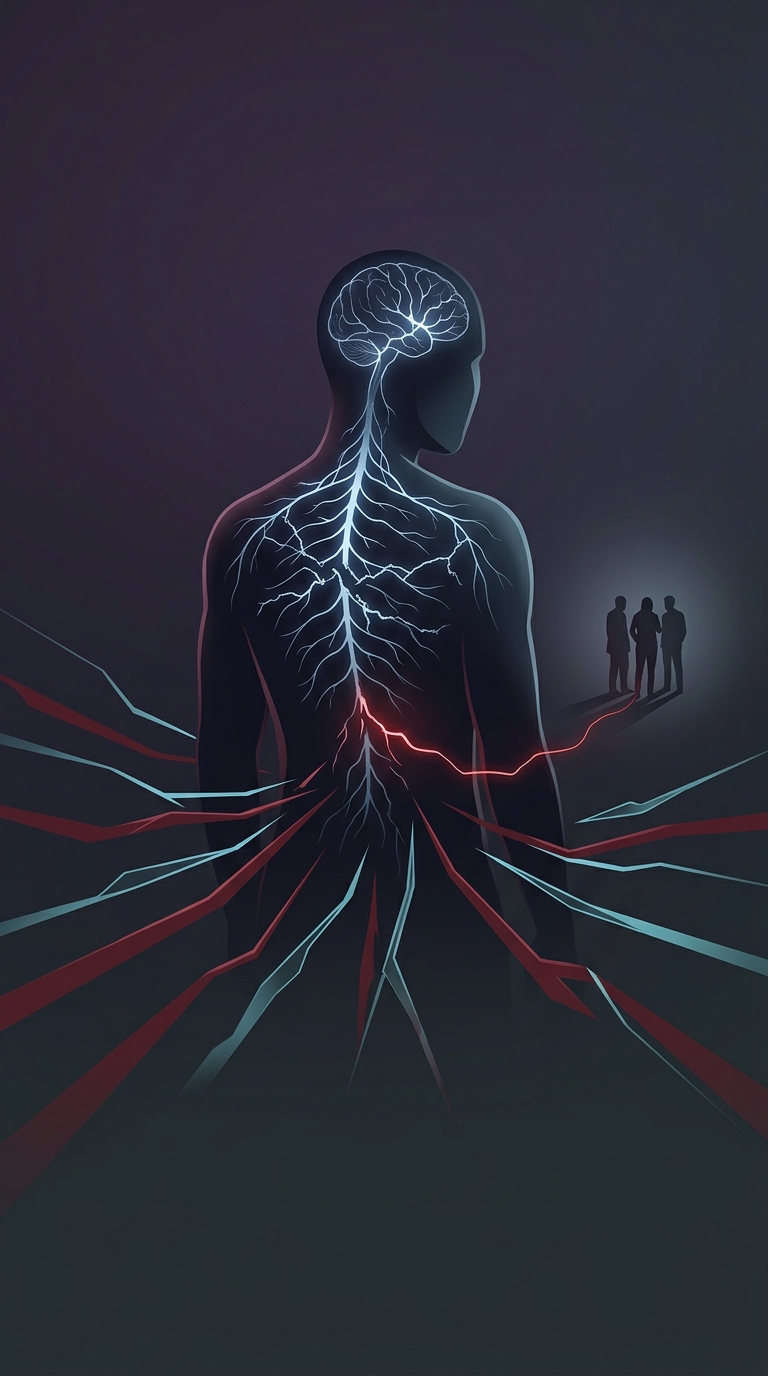
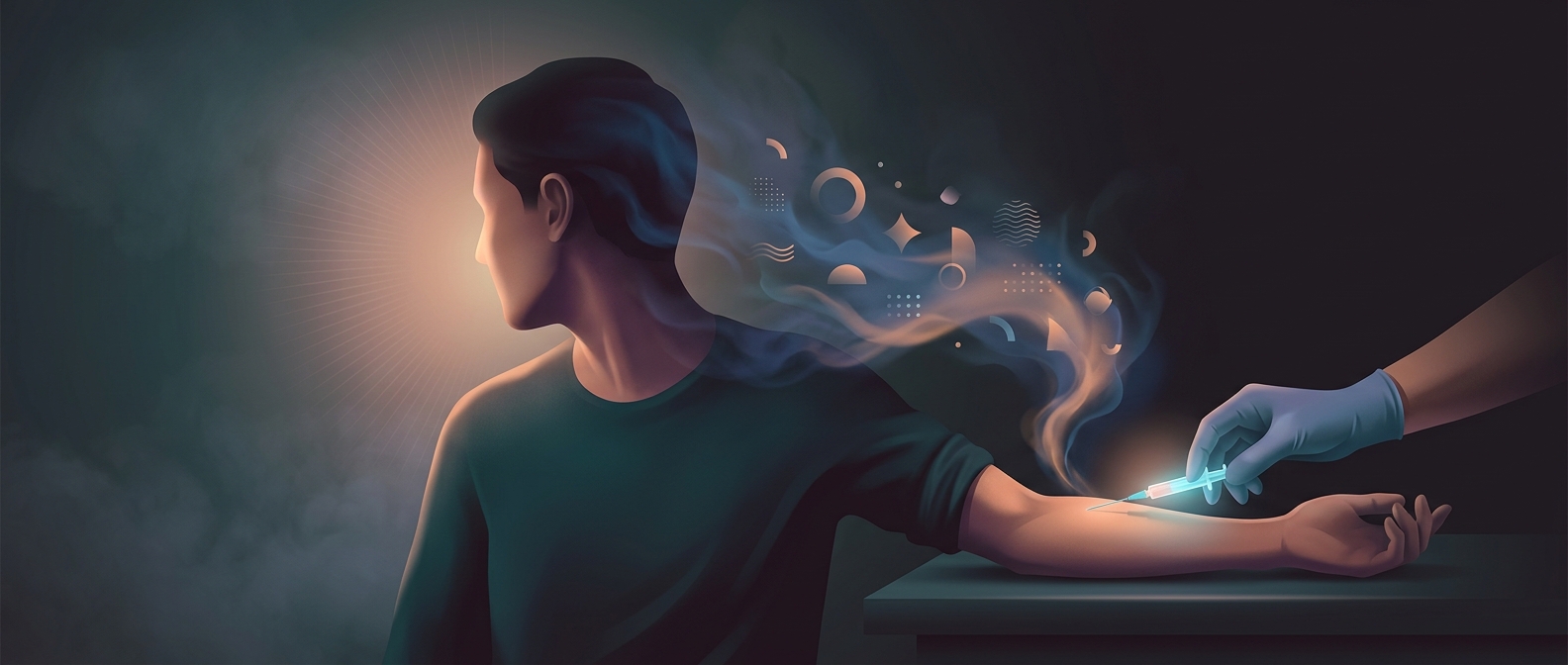
Pain is not just a signal traveling from skin to brain. The brain also weighs attention, expectation, and the meaning of what is happening. When a needle stays in view, each small movement can act as a reminder that the prick is coming. Attention keeps returning to the threat, and anticipation can make the moment feel more intense.
Looking away interrupts that visual countdown. With fewer cues to monitor, the mind may spend less time bracing for the contact. The needle still touches the skin, and turning your eyes does not erase the body’s response—but it can ease the buildup of worry around the prick.
Why the Same Prick Can Feel Different
The effect is especially understandable when someone is already tense: watching the needle can keep fear and expectation in the foreground. Looking elsewhere gives attention something less threatening to settle on, such as a point across the room or a conversation. That shift changes the experience around the sensation, not the needle’s physical action.
For someone who finds needles frightening, looking away is a simple way to reduce one source of anticipation. The practical difference is small but meaningful: instead of tracking the needle all the way to the skin, you can let the moment arrive without watching it unfold.