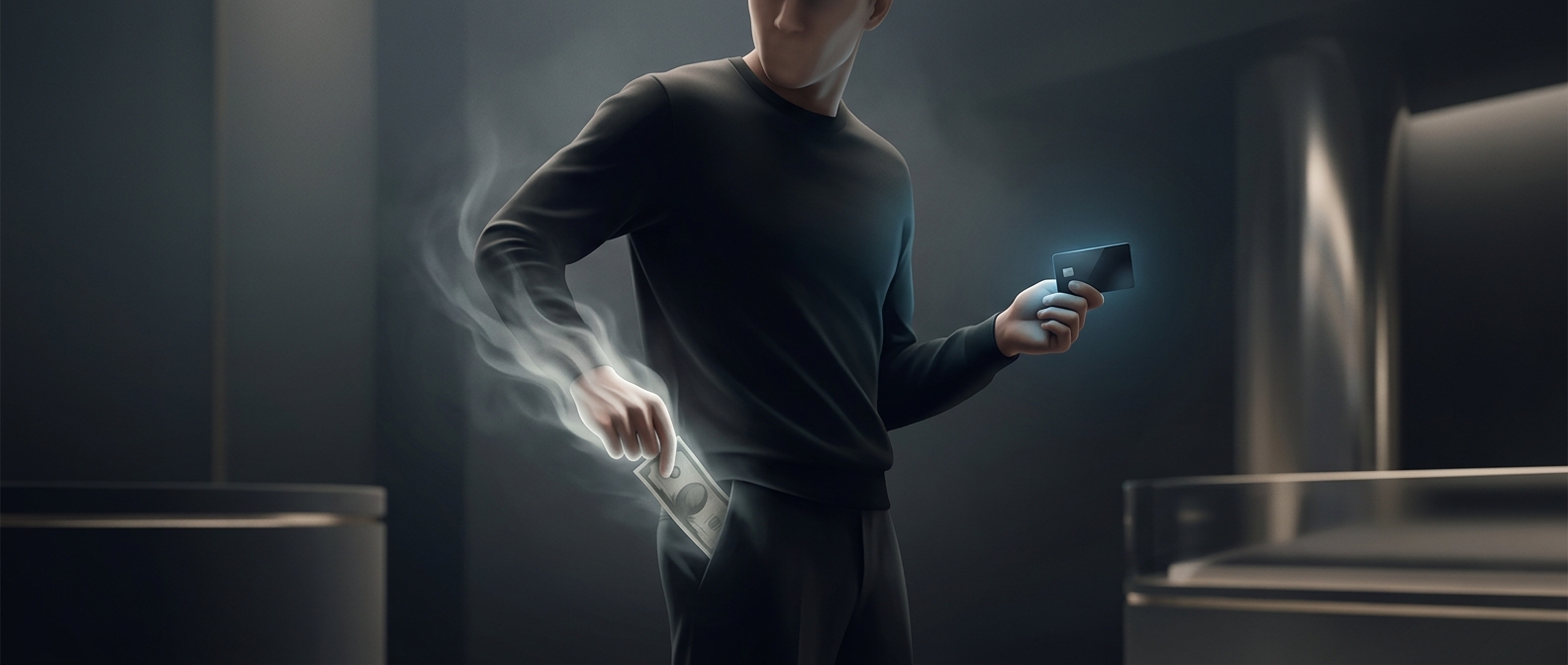
The “pain of paying” begins with a clear loss
A purchase involves two things at once: getting something and giving up money. Psychologists often call the discomfort of that second part the pain of paying. Cash makes the exchange easy to track because the payment is physical: you count out bills, hand them over, and can see what remains.
That visible change gives the mind immediate feedback. A card payment still costs the same amount, but tapping or swiping offers little sensory evidence of money leaving. The purchase can therefore feel more like completing a quick step than surrendering something valuable.
Cards separate the purchase from its consequences
With cash, the payment and the shrinking wallet happen together. With a card, the financial consequence may be harder to picture in the moment. The amount can show up later in an account balance or statement, after the pleasure or urgency of the purchase has passed.
That gap matters most when spending is fast or unplanned. If each transaction feels small on its own, it is easier to overlook how several purchases add up. This does not mean people always spend more with cards: a person checking a running balance may have a clearer picture than someone carrying cash without a budget.
Making an invisible cost easier to notice
The useful distinction is not that cash is inherently better, but that it makes spending more concrete. A running balance, transaction alerts, or a planned spending limit can restore some of the feedback a wallet provides. The point is to connect the enjoyable moment of buying with the less visible fact that the money is no longer available for something else.