Why a brief delay can change a habitual response
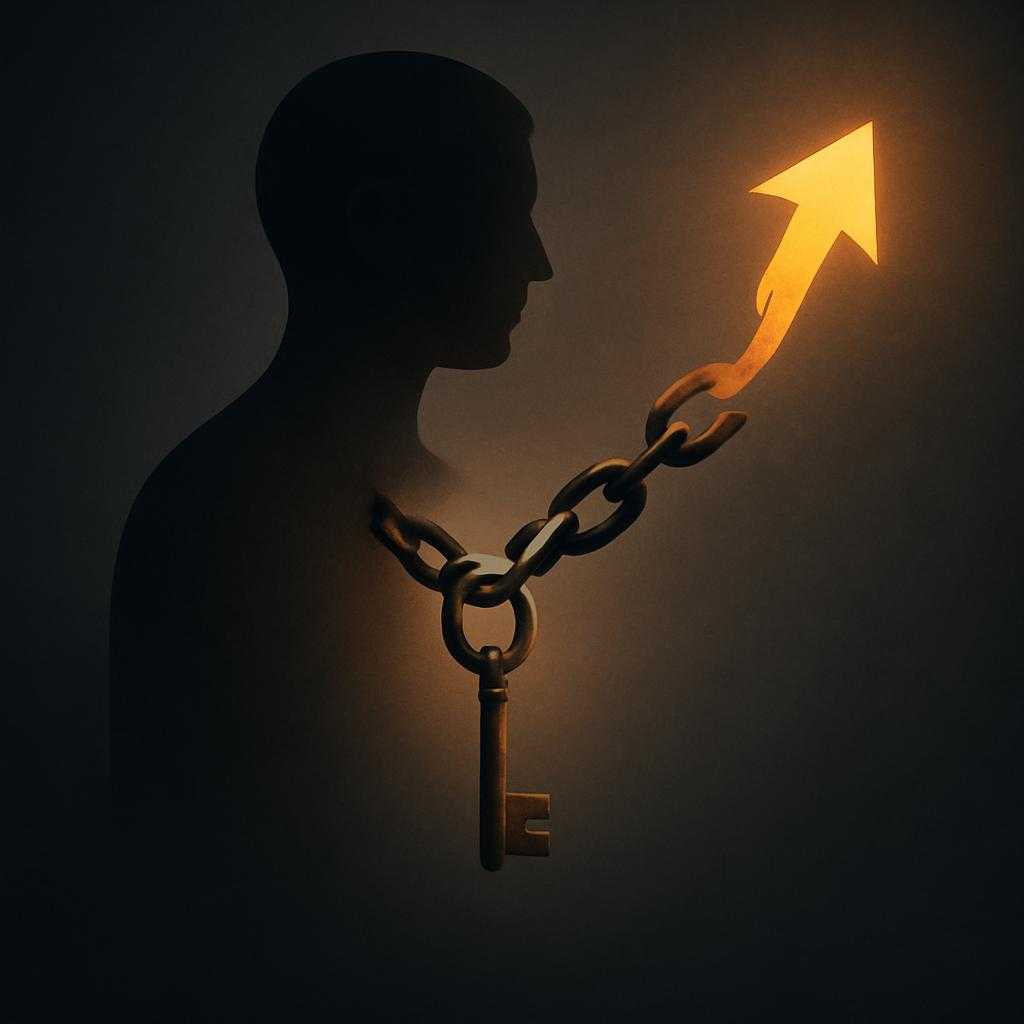
Habits become easy to repeat because the brain learns that a familiar cue predicts a familiar action. Seeing a notification may prompt a tap before you have consciously decided to check it; stress may make a snack feel like the obvious next move. With repetition, the cue can start the response almost automatically.
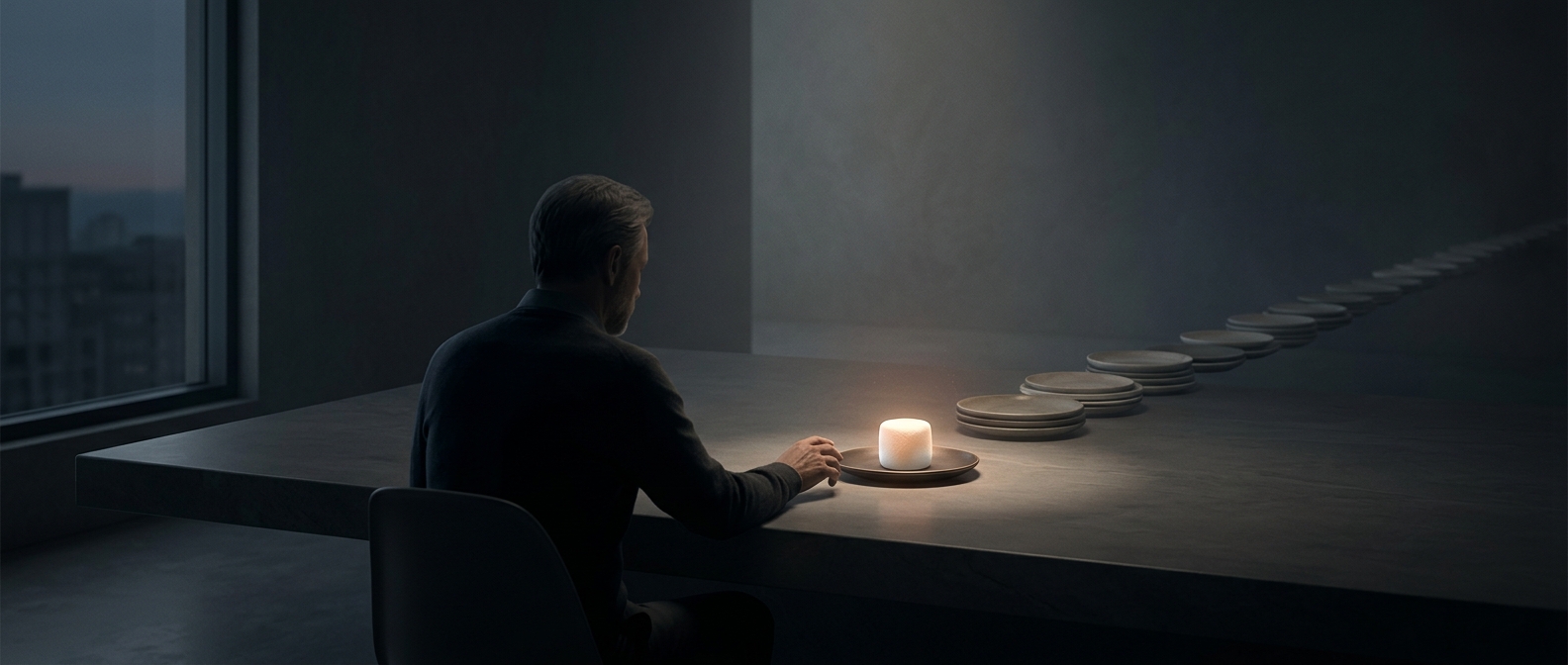
A pause interrupts that smooth handoff. Instead of moving directly from cue to action, you notice the urge and allow a moment for deliberate choice to catch up. The impulse may still be present, but it no longer has to dictate the next step.
Make the pause a decision point
The useful move is not to argue with yourself or demand that the urge disappear. Try waiting 20 seconds, then ask what you actually want to do. You might still open the app or eat the snack; you might choose something else. Either way, the action is less automatic because you have inserted a decision between trigger and response.
That small gap is most useful when it is easy to remember: a phone lighting up, a hand reaching toward a familiar snack, or the first hint of tension. The goal is not to erase a habit in one pause, but to make room for a different response often enough that it becomes easier to choose.