stackyFACTS
Psychology

How helpless dogs were shown how to escape

HERE’S THE INTERESTING PART

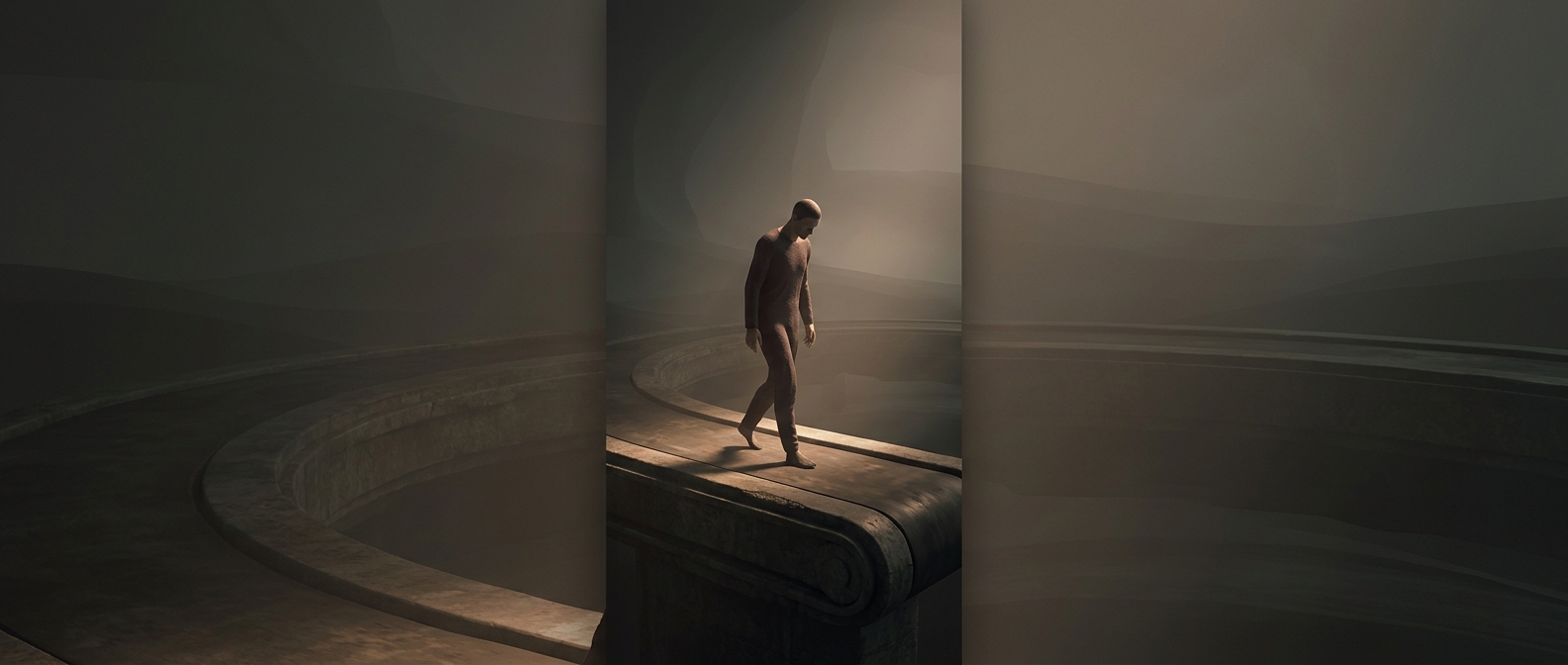
You aren't inherently broken; you just forgot how to jump the fence. When psychologist Martin Seligman discovered 'learned helplessness' by repeatedly shocking trapped dogs, they eventually just lay down and accepted the pain. The only way to cure them was to physically move their legs to show them that escape was still possible.

How helpless dogs were shown how to escape
STACKY / Psychology
One discovery leads to another.

Keep exploring facts in this topic.

Psychology →

STACKY FOR IPHONE

A bigger world.
One discovery
at a time.

Keep discovering with Stacky. Interesting facts in an app that is always within reach.

Download on the App Store
ONE MORE DISCOVERY?

Keep exploring

All in this topic →
Why learned helplessness makes escape feel impossible
Psychology

Why learned helplessness makes escape feel impossible

Eventually, you just stop trying to open the locked door and accept your doom. Learned helplessness occurs when an animal or human is repeatedly subjected to…

Discover more
Behavior chaining links small actions into complex routines
Psychology

Behavior chaining links small actions into complex routines

Tying your shoes is incredibly complex, but you do it flawlessly because of behavior chaining. Each individual step acts as both the reward for the previous…

Discover more
Your avatar may change how you act offline
Psychology

Your avatar may change how you act offline

The Proteus effect proves that the appearance of your digital avatar subconsciously dictates your behavior in real time. Users assigned taller or more…

Discover more
Psychology

You’d think we spend based on logic, but research shows people hold onto gift cards for years, overpay for 'all-you-can-eat' buffets, and feel richer with a tax refund than a…

Money behaves less like a calculator and more like a magician’s illusion. Take gift cards: instead of spending them right away, many people hoard them as if…

Discover more
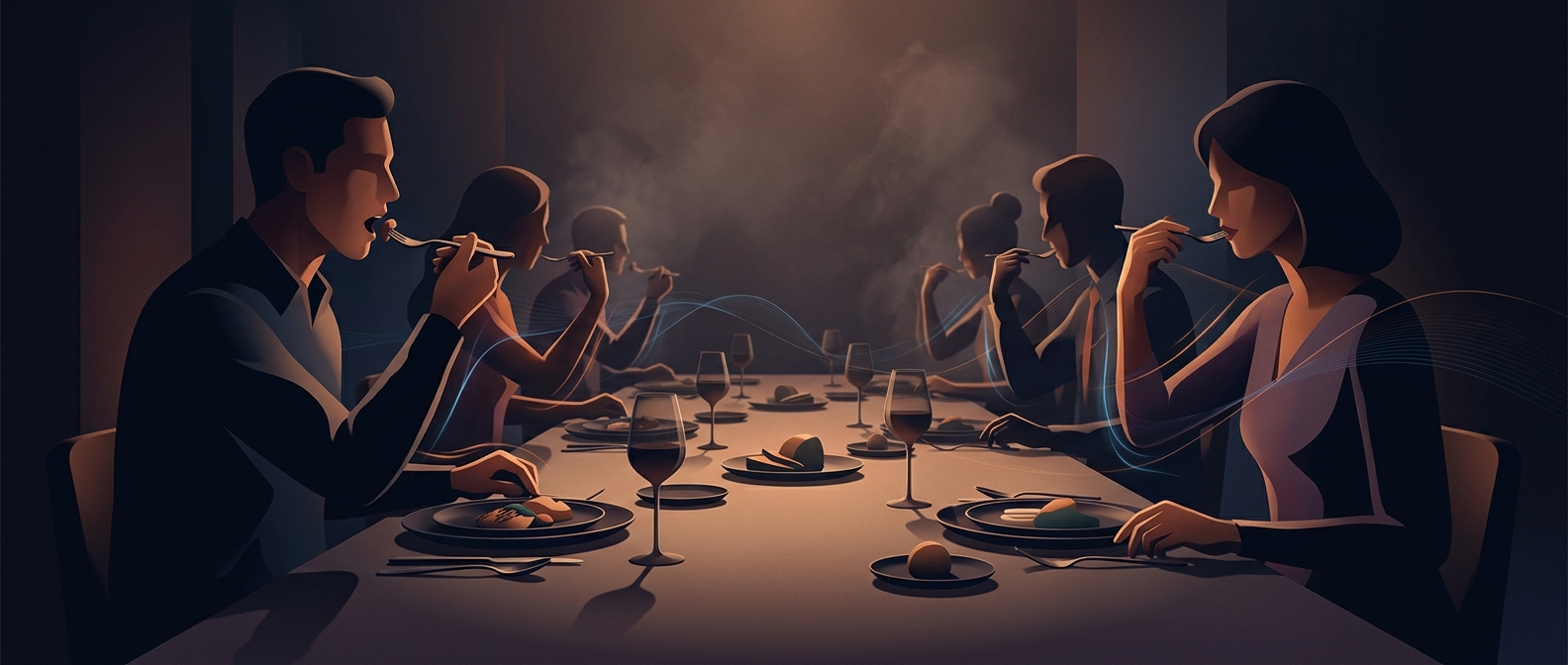
You may unconsciously match your companions' eating speed
Psychology

You may unconsciously match your companions' eating speed

Dining with a fast eater practically guarantees you will choke on your own meal. Humans automatically mirror the chewing and swallowing pace of the people…

Discover more
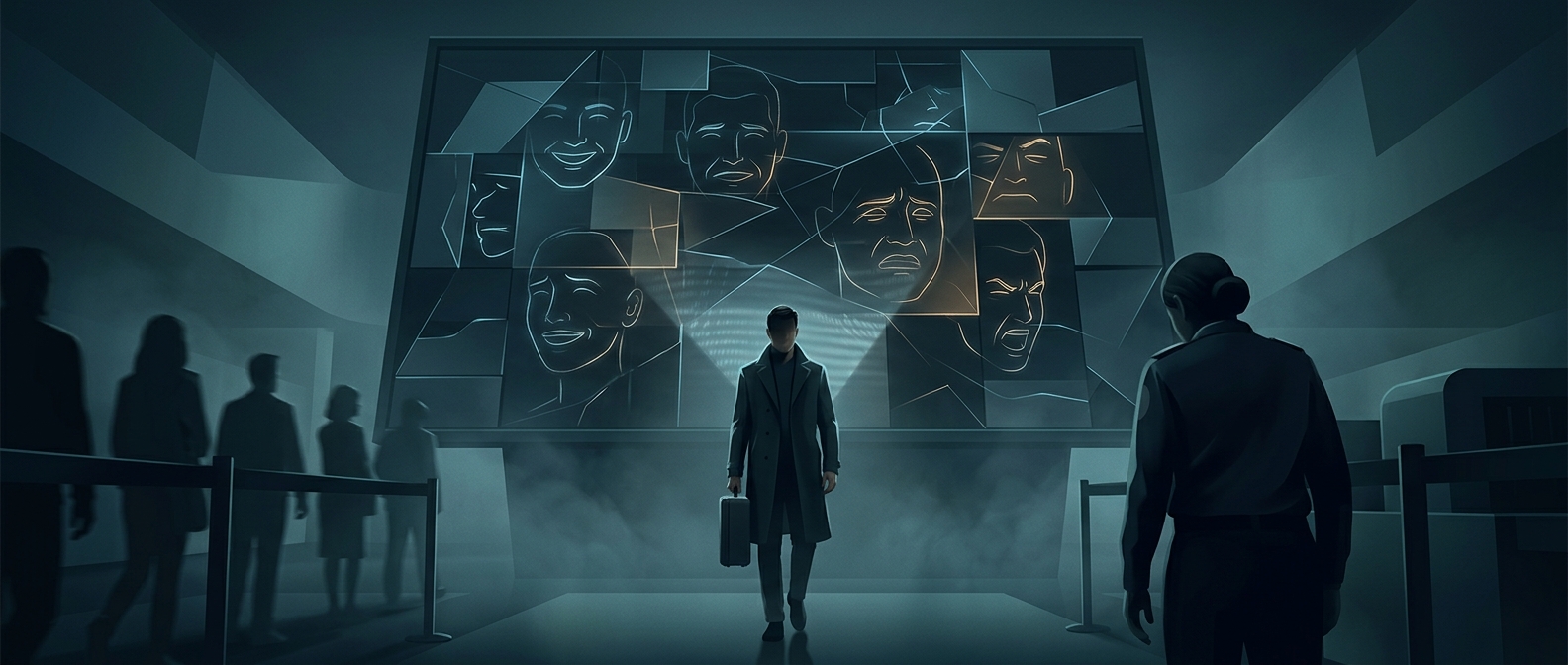
Why microexpressions fail under pressure
Psychology

Why microexpressions fail under pressure

Teaching airport security to spot a terrorist by looking for a microscopic facial twitch is like asking them to count raindrops during a hurricane. Paul…

Discover more
StackyMore discoveries in the app
Download on the App Store