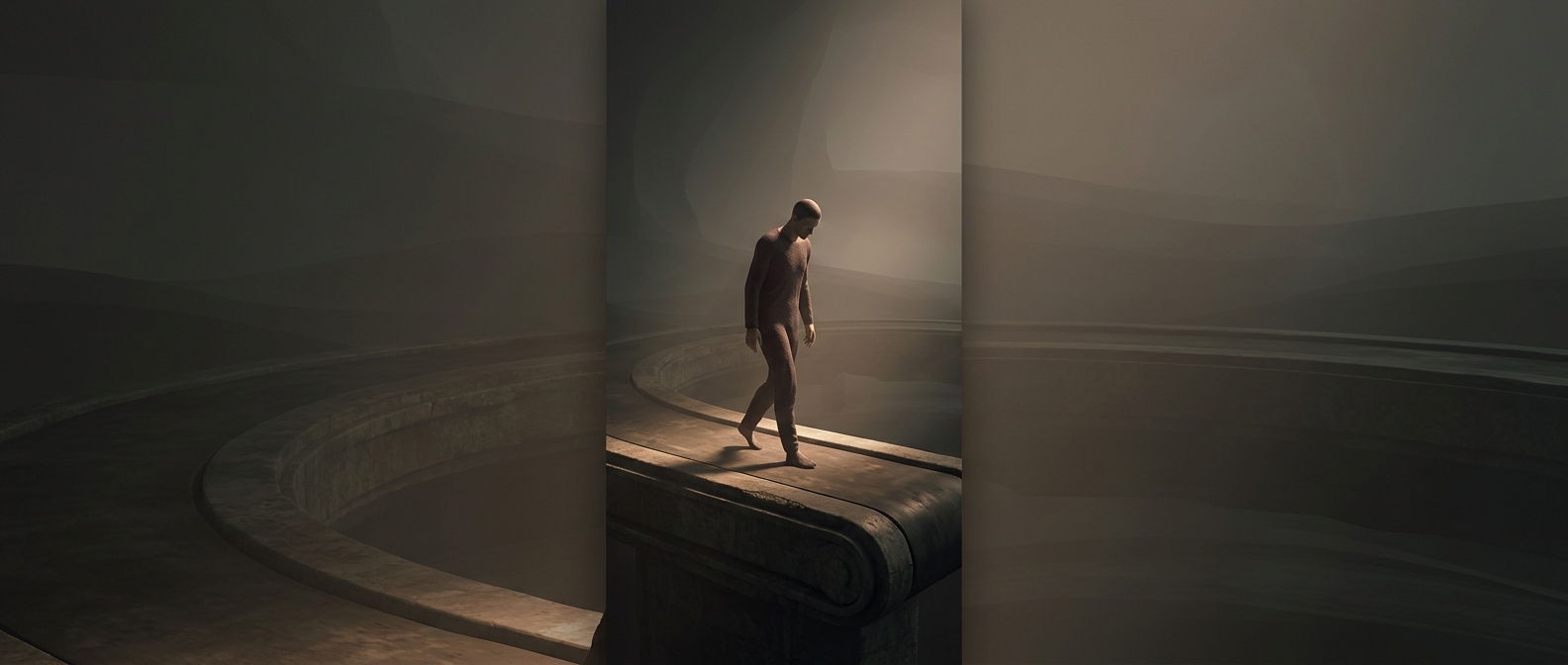
How uncontrollable experiences reshape expectations
When an effort repeatedly fails to change what happens, the mind can learn that effort and outcome are unrelated. Psychologists call this learned helplessness: a pattern in which past lack of control makes a person less likely to act when control becomes possible.
The learning can be quiet and practical. If speaking up never changes a decision, for example, someone may stop offering ideas. Later, in a group that would welcome them, they may stay silent—not because the new situation is identical, but because the old experience has made trying seem pointless or costly.
Why a new opening may not feel like one
A possible route out is useful only if a person notices it, expects it might work, and has enough energy or confidence to try. Helplessness can interfere at each step: someone may overlook an option, predict failure before testing it, or avoid the action that would reveal whether circumstances have changed.
That avoidance can then seem to confirm the expectation. If a person does not ask for help, for instance, they receive no evidence that help is available. The belief that nothing can change survives, even when the original constraint has disappeared.
Restoring a sense of control
The pattern is not proof that someone is weak, nor does it mean every setback produces helplessness. Control may be genuinely limited, and people respond differently to similar experiences. A useful first step is to identify a small action with a plausible connection to an outcome, then observe what happens. A modest success can provide evidence that the present situation is not governed by the same rules as the past.
That is why the first opening may not look like a dramatic escape. It may be one manageable choice that makes trying feel informative again.