A cue can outlast a change in behavior
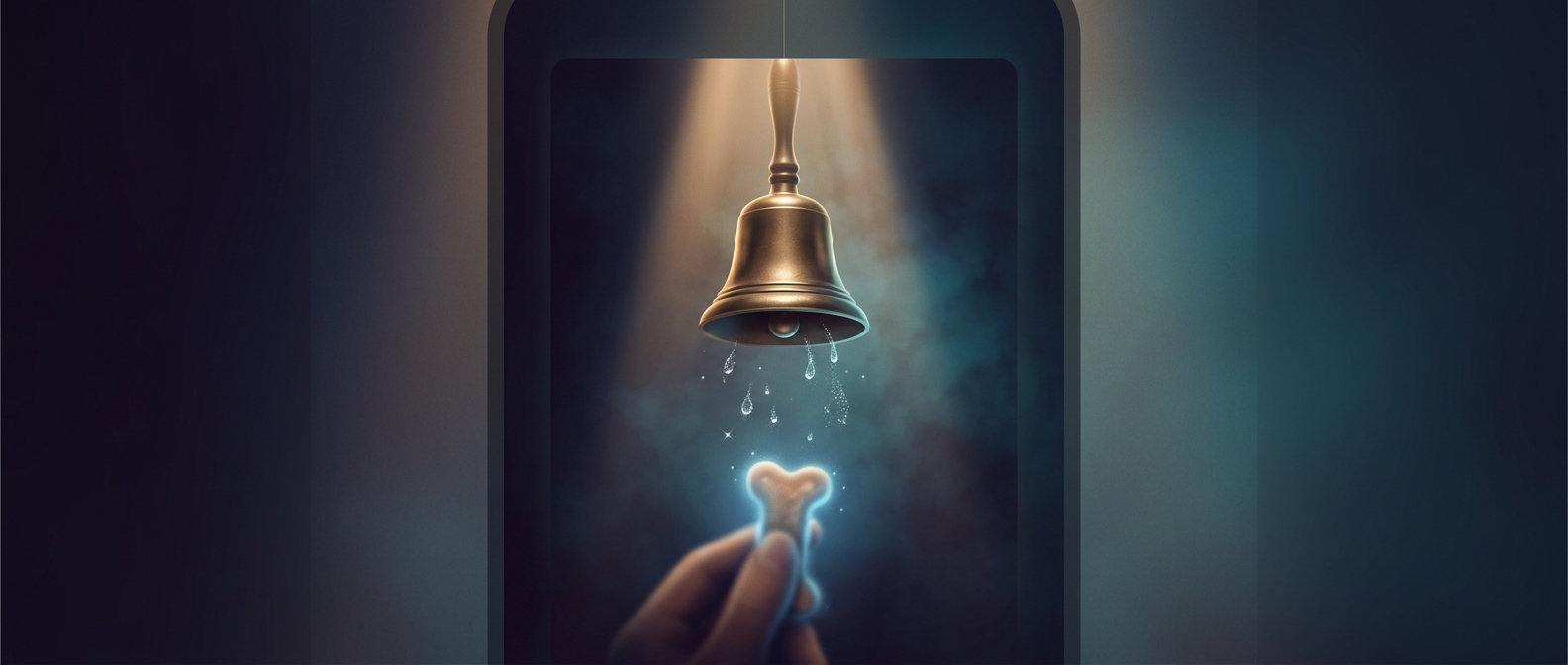
Habits are learned links between situations and actions. The sight of a phone on the desk, for example, can become a cue to pick it up before a person has consciously decided to do so. Changing the routine teaches a different response, but it does not necessarily remove the old link. The cue may still bring the familiar action to mind.
That is why a new response can feel reliable in one setting and falter in another. Someone who usually pauses before checking a notification may manage it easily during a calm morning, then reach for the phone automatically when rushed. The old response is especially likely to reappear when the newer one takes attention and deliberate effort.
Practice makes the alternative easier to call up
A competing response is not just a rule to remember; it is another action to learn in the moments when the cue appears. Repeating it across relevant situations can make it more familiar and less effortful. For instance, placing the phone out of reach and choosing a brief alternative when an urge arises gives the new response a clearer path to follow.
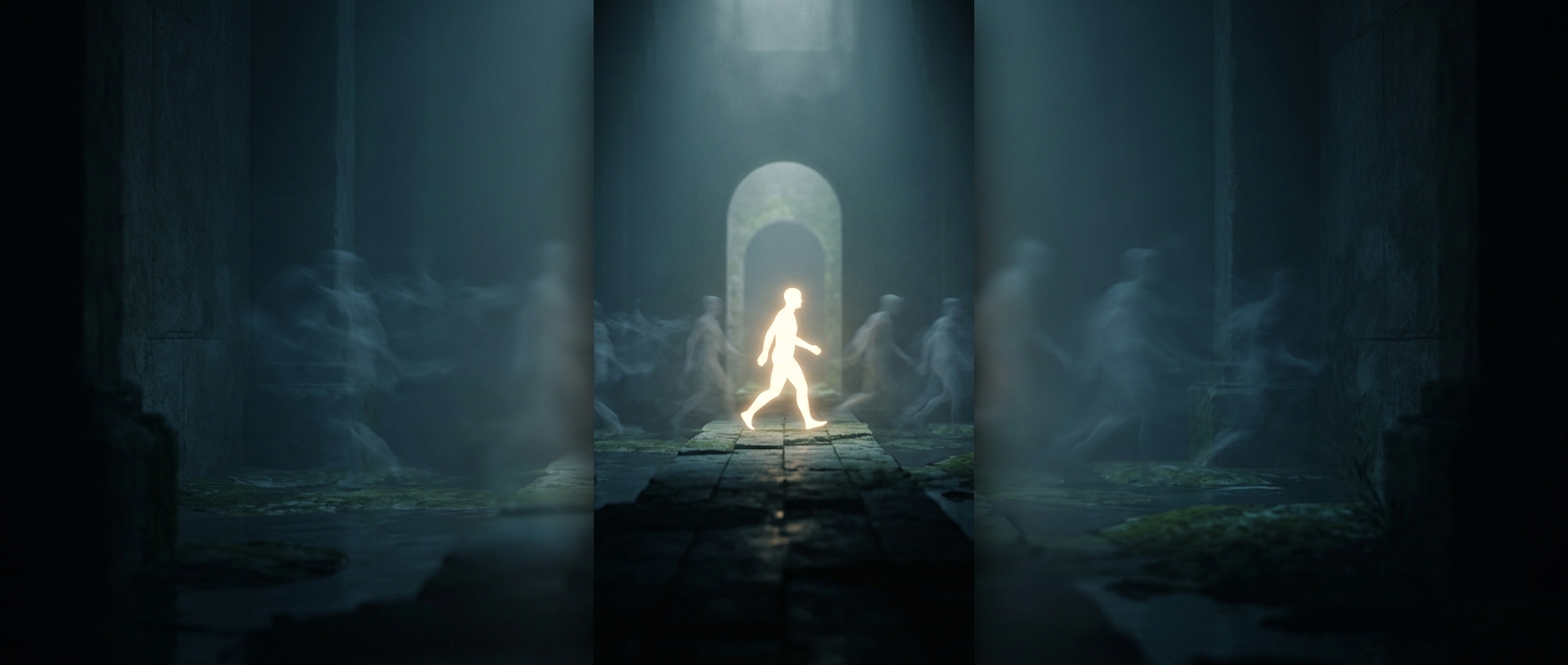
A return to the old routine does not mean the change was imaginary or that all progress is lost. It may mean that, in that moment, the older, well-practiced response won the race. The useful question is what cue or condition brought it back—and how to make the preferred response easier to perform the next time that situation occurs.