How one action becomes the prompt for another
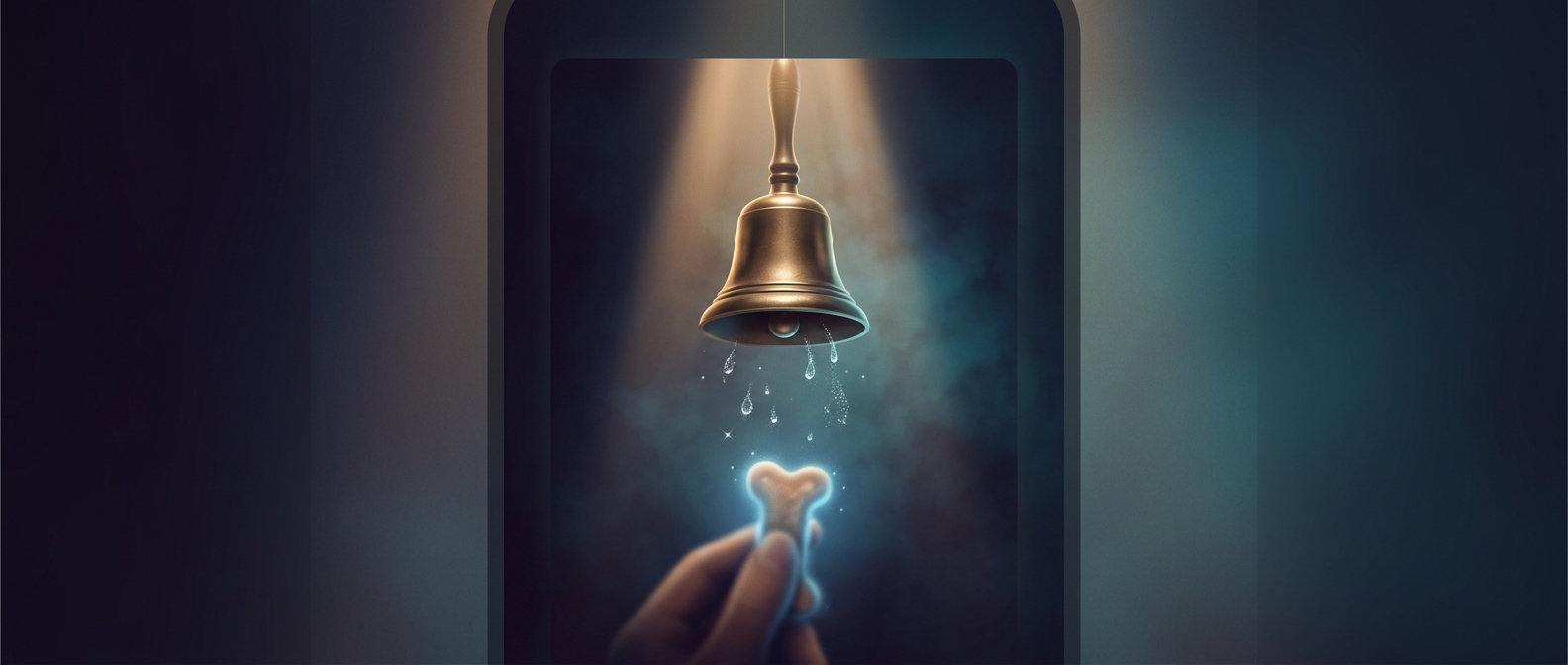
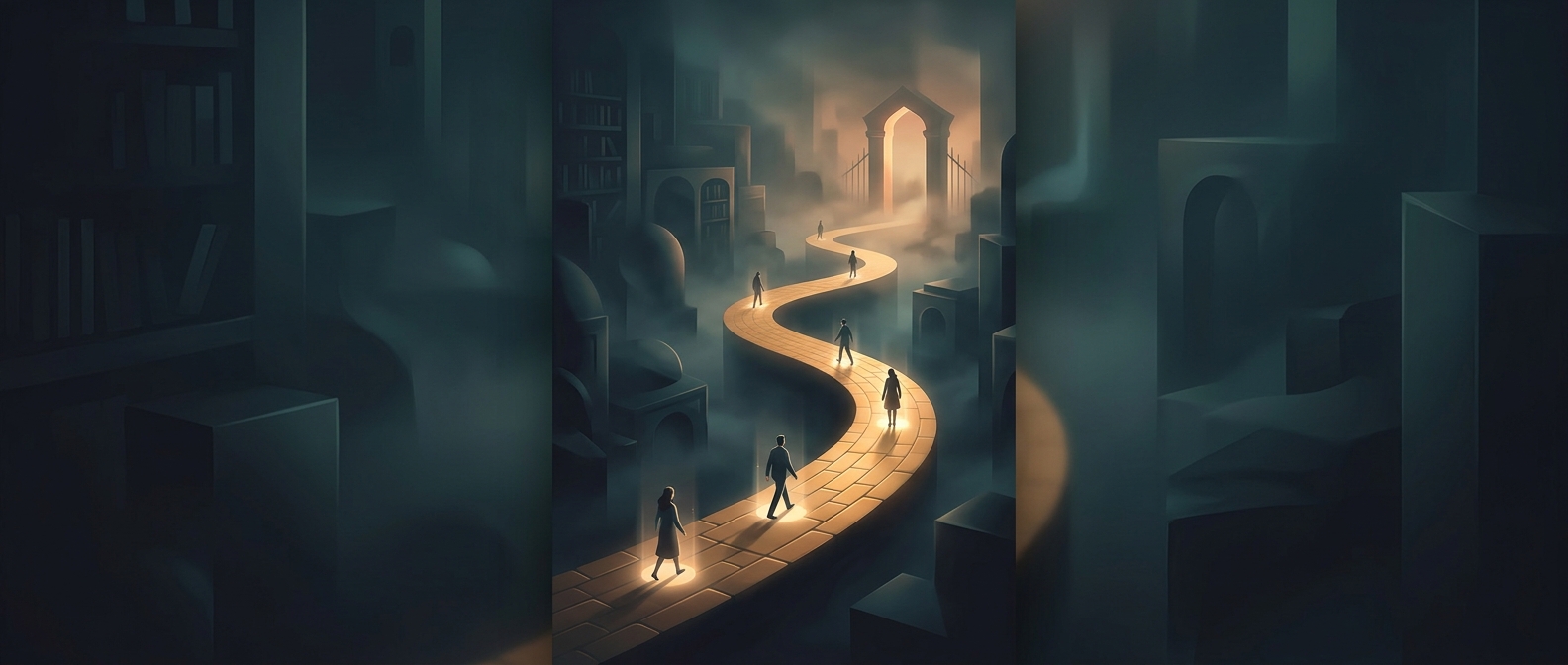
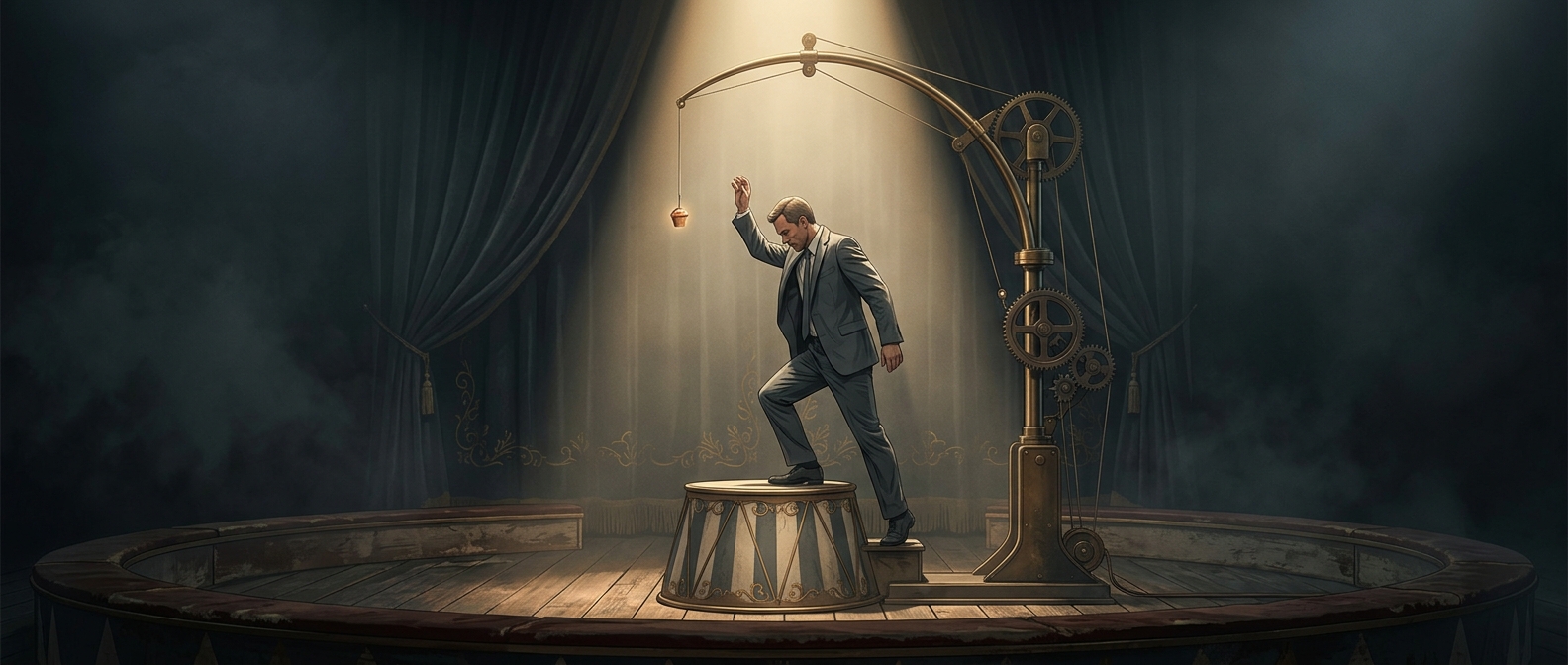
A behavior chain works because the end of one action creates the conditions for the next. Putting a plate in the sink, for example, may bring a sponge into view; picking up the sponge makes washing the plate the obvious next move. Each step is both an action and a cue—a signal that helps guide what happens next.
This differs from trying to hold an entire routine in mind. Instead of recalling a long checklist, a person responds to the situation produced by the previous step. Repetition can make those links easier to follow, especially when the sequence happens in the same order and place.
Why the chain can feel automatic
At first, each link may require deliberate attention. Over time, familiar cues can make the next response easier to retrieve. The routine has not become literally thoughtless; rather, fewer decisions are needed at each transition. That matters because starting and switching tasks often demand more effort than the small actions themselves.
A chain can also be designed from either end. Someone might begin with a reliable action—such as setting a bag by the door—and attach one manageable next step. Or they might define the desired endpoint and work backward to identify what must happen immediately before it. In either case, a clear, doable link is more useful than a vague instruction like “get organized.”
Where chains break—and how to repair them
A missing item, a changed setting, or an interruption can remove the cue that normally carries the sequence forward. The fix is often to make the transition visible: put the needed object where the next action will happen, or simplify the step that keeps getting skipped. The useful unit is not the whole routine but the next dependable link. Once that link is easy to repeat, it can support the one after it.