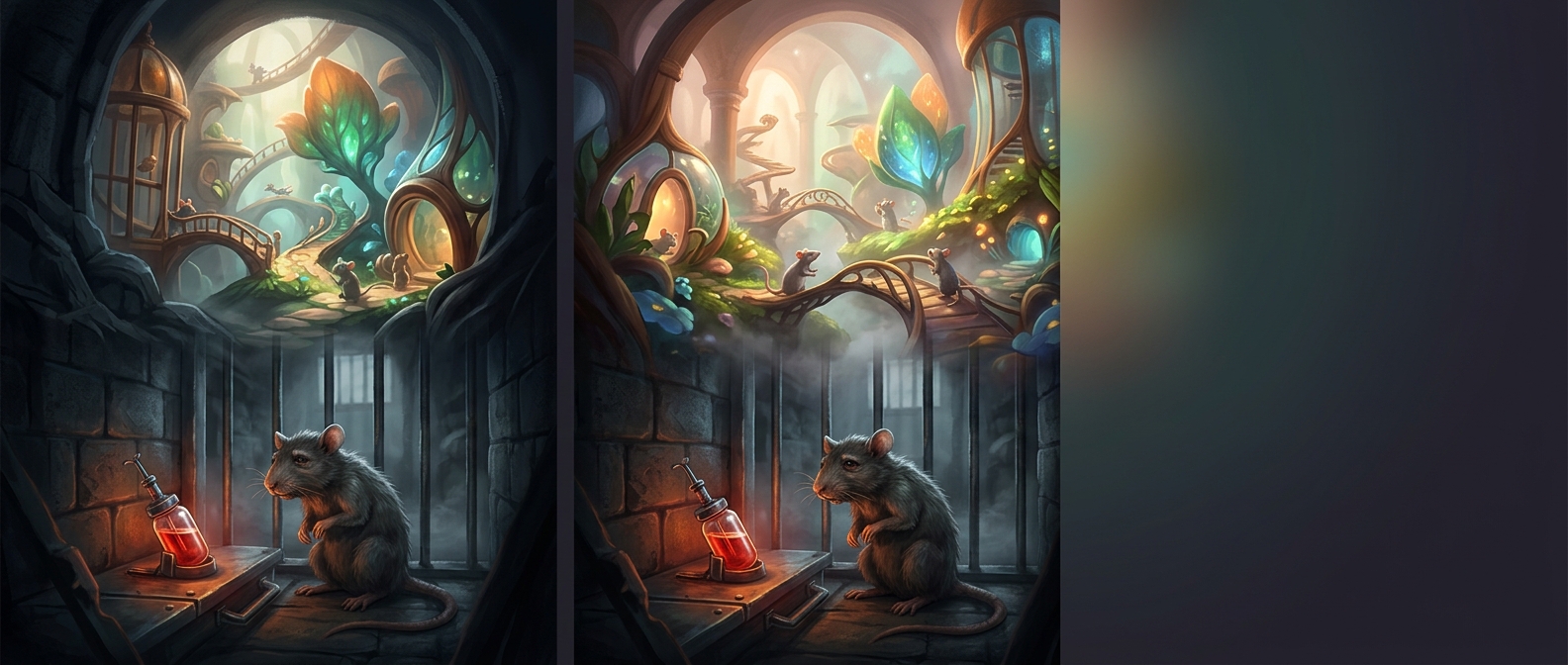
Why the present can overpower a long-term promise
A craving can make a drink or drug feel like an immediate solution: relief, pleasure, or a way to change an uncomfortable mood. The benefits of staying sober are real, but they are spread across time. Health, trust, and stability are not usually felt as one vivid reward in a single moment. That imbalance can make the near-term option seem more valuable than it would during a calmer period.
How craving reshapes the choice
Craving is more than wanting something. It can narrow attention toward cues linked to using—a place, person, feeling, or memory—and bring the expected reward to mind vividly. At the same time, consequences that require imagining the future are easier to set aside. The choice has not become objectively better; its immediate payoff has become mentally louder than its delayed costs.
This helps explain why a person may sincerely value sobriety and still feel pulled toward using. A long-term intention is formed in one state of mind, while a craving can arrive in another, with a different sense of what matters most right now. That tension is sometimes described as a conflict between future goals and immediate reward.
Why the moment matters
When the future feels distant, adding more reasons to stay sober may not be enough by itself. It can help to make the next sober step concrete and close at hand: leave a triggering setting, contact a trusted person, or focus on getting through a short stretch of time. These actions bring support and an alternative into the same immediate moment as the craving.
The key implication is that a lapse does not necessarily mean someone has stopped caring about sobriety. It can mean that, in a high-pressure moment, the immediate reward became easier to feel than the life the person was trying to protect.