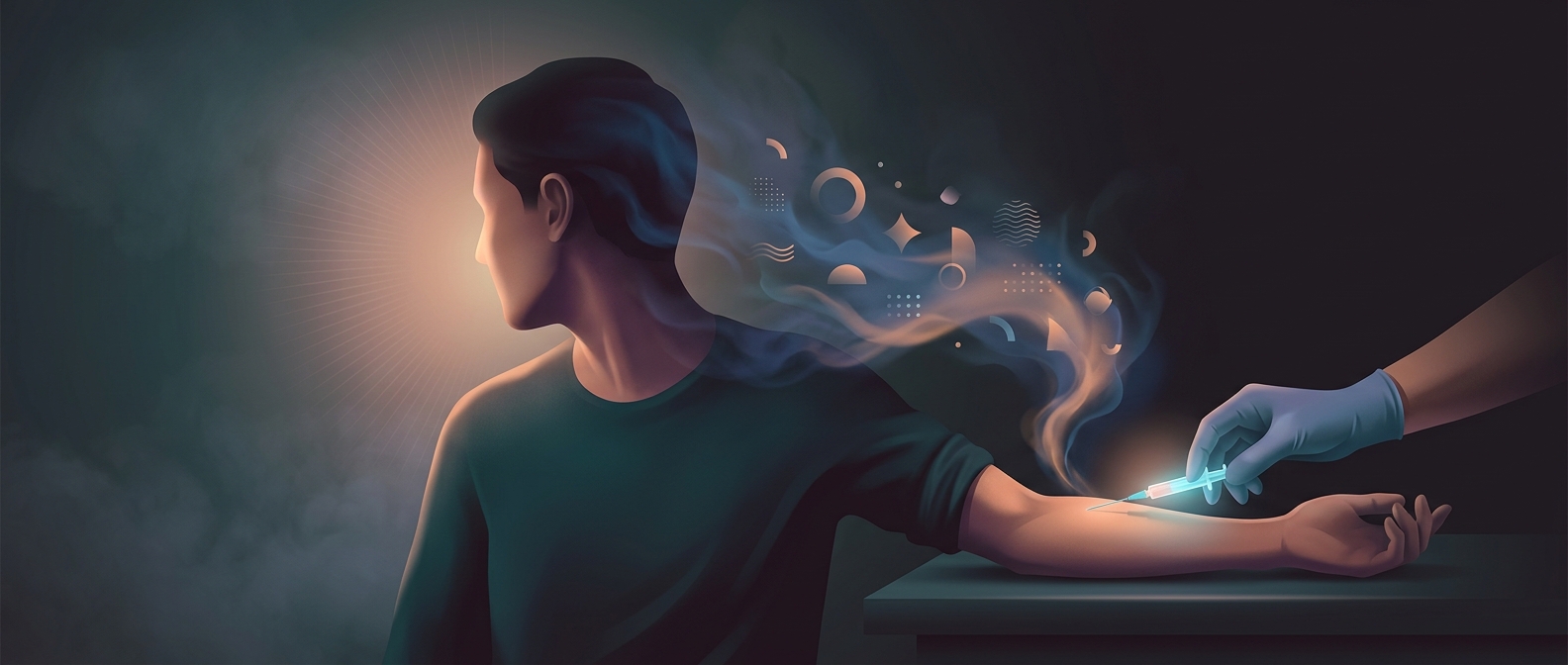
Why an injury can happen before you feel it
Touch a hot pan and your hand may begin to pull away before the sting fully registers. The tissue is already being harmed, but conscious pain takes a sequence of events: specialized nerve endings called nociceptors detect potentially damaging heat, pressure, or chemicals, then send electrical signals toward the spinal cord and brain.
A quick withdrawal can be organized by circuits in the spinal cord, without waiting for the brain to produce the conscious experience of pain. That is why movement and awareness do not always arrive together.
From nerve signal to felt pain
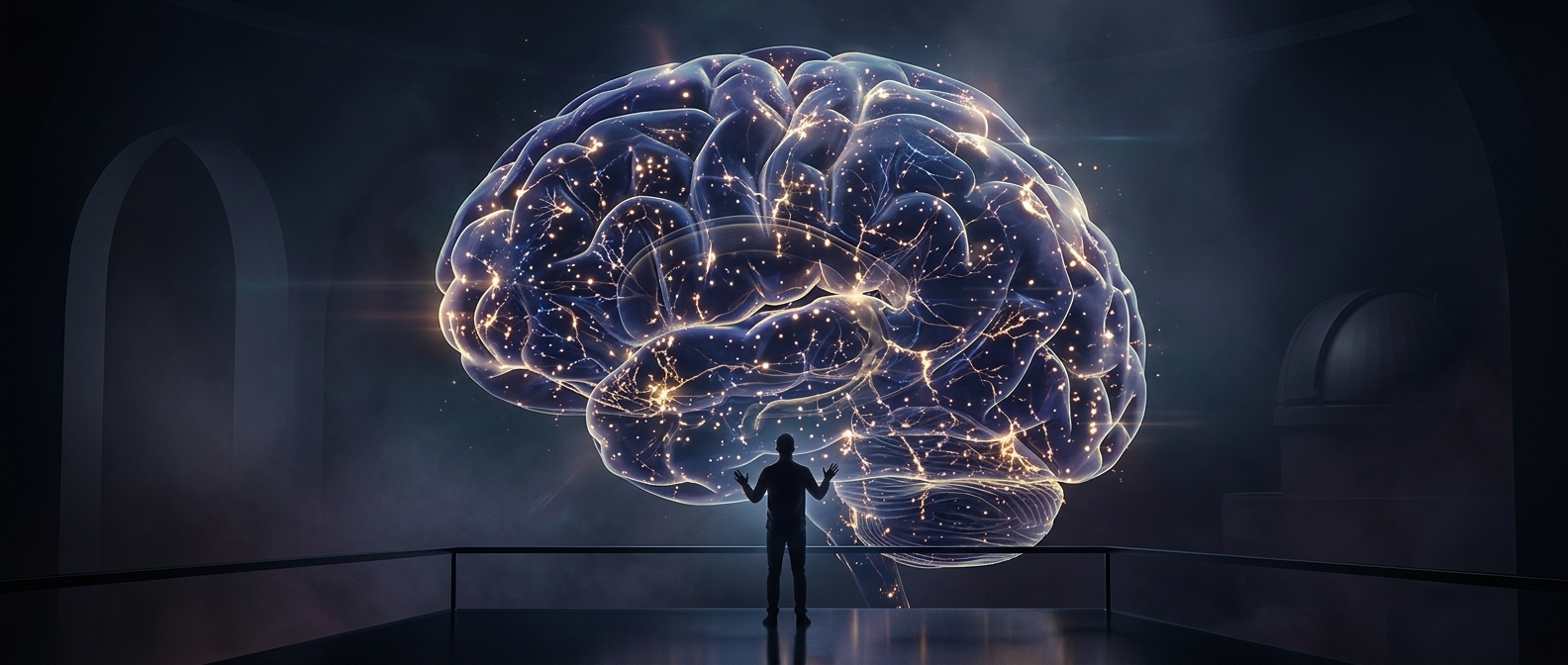
The signal does not become pain simply by reaching one spot in the brain. The nervous system processes it alongside information about where the stimulus occurred, how intense it seems, and what else is happening in the body. Pain is the conscious experience that results from this processing—not the injury itself.
The delay is generally brief, but it varies with the signal’s route and the brain’s interpretation. Once the message arrives, the sensation can prompt you to protect the area, inspect it, or stop what you were doing. Meanwhile, chemical changes around an injury can make nearby nerve endings more sensitive, helping explain why a small wound may hurt more after the initial moment.
That short gap is a reminder that the body can be responding to harm before the mind has caught up.