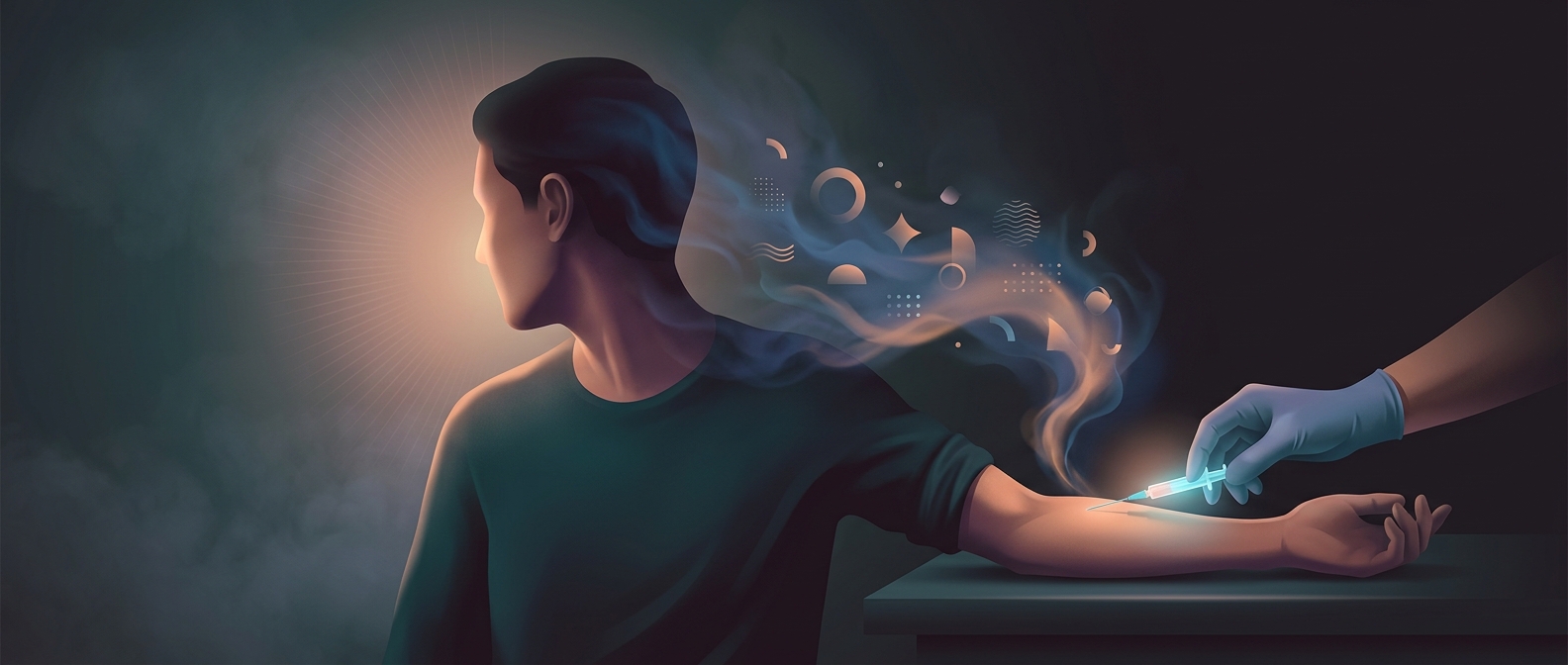
Pain is more than a signal from the body
A painful sensation begins with signals from the body, but the brain does not simply read them like a thermometer. It also weighs what the sensation might mean: Is it dangerous? Can I cope? Am I alone with it? Those judgments help shape how intense and threatening pain feels.
When a trusted person is nearby, their presence can answer some of those questions before they are consciously asked. A familiar voice, a hand to hold, or simply knowing someone is there can make a difficult moment feel safer and more manageable. That shift in expectation can lessen the distress attached to the sensation—and sometimes its felt intensity as well.
Connection can act as a safety cue
The effect is a form of social buffering: support from another person helps soften the body’s and mind’s response to stress. Pain and stress overlap because both involve assessing threat and preparing to respond. Feeling supported may reduce alarm and help the brain give less weight to the danger surrounding a painful signal.
That does not mean love switches pain off, or that every person feels the same effect. The relationship has to feel safe and supportive; an unwelcome or tense presence may not help. And the physical cause still matters: reassurance cannot repair an injury or replace needed care.
The signal remains, but the experience can change
This is why comfort can matter even when it does not remove the source of pain. The body may still be sending the same warning, but the mind is interpreting it in a less threatening setting. A loved one’s presence can change not the fact that something hurts, but how alone—and how overwhelming—the hurt feels.