Why a silent story view can feel so loaded
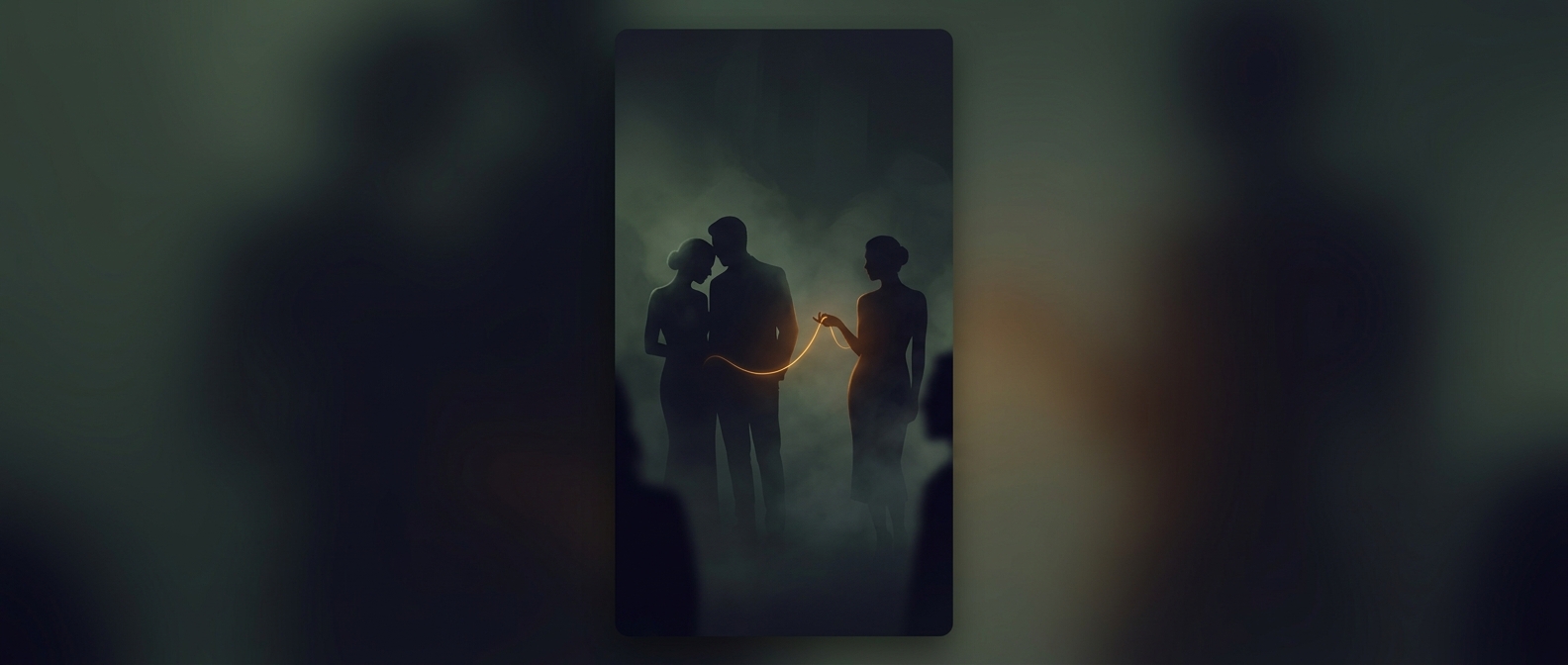
A social-media story view is a tiny action, but in the aftermath of being ghosted it can carry more meaning than the action itself warrants. Ghosting leaves a gap: there is no clear explanation, only the sudden absence of replies. When the person then appears in the viewer list, that gap gets filled with questions—Are they curious? Do they miss me? Are they waiting for me to reach out?
This is ambiguity at work. People naturally search for patterns when a relationship changes without explanation. A view confirms that the person was present on the app, but it cannot reveal why they watched or what they feel. The evidence is visible; the motive is not.
A low-effort way to stay near
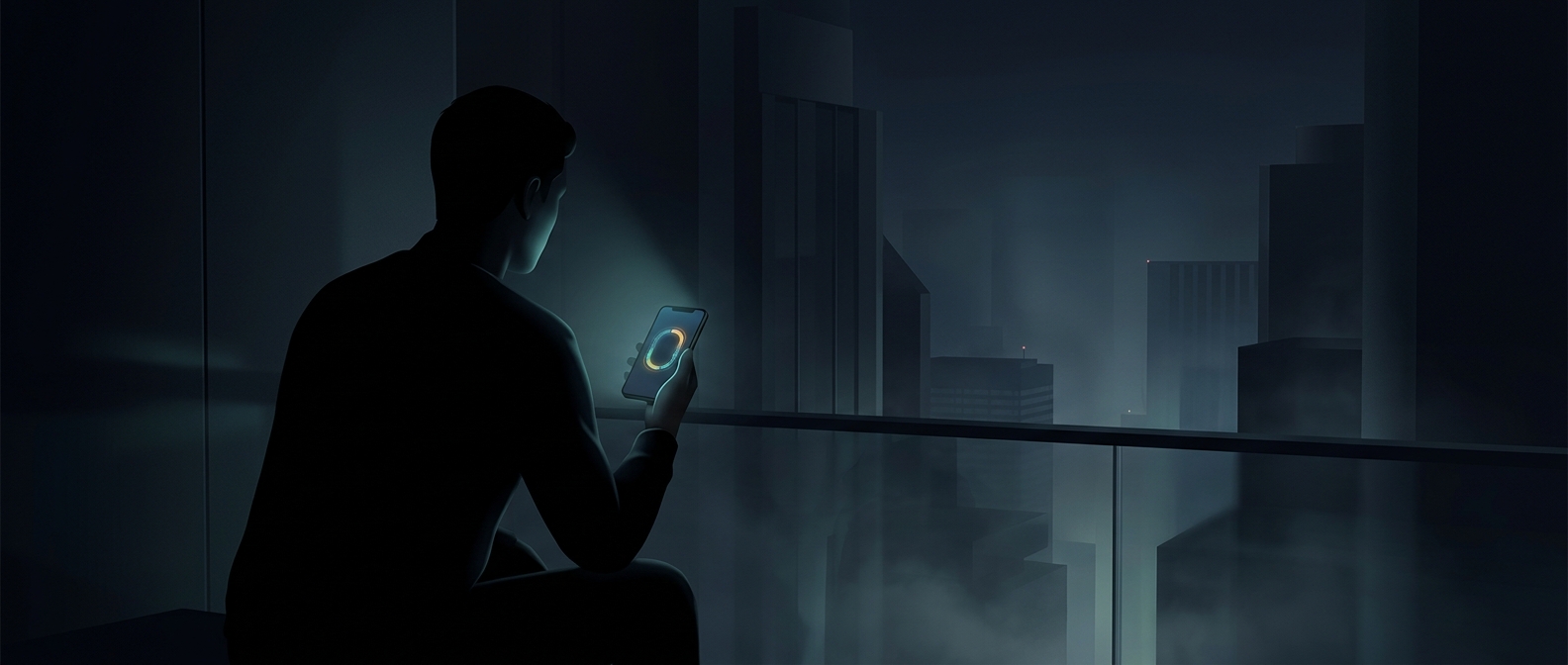
Watching a story usually asks little of the viewer and requires no direct conversation. They can see a glimpse of someone’s day without risking rejection, explaining their silence, or making a promise to reconnect. That makes viewing compatible with many motives, from ordinary curiosity to a wish to keep a faint connection alive. The same behavior can also be accidental or part of routine scrolling.
For the person being watched, however, the contrast can sting: the viewer has enough attention to look, but has not offered the effort or clarity of a message. Because the platform makes that attention visible, a routine tap can feel like a deliberate signal—even when there is no reliable way to know that it was one.
Why the uncertainty lingers
An unanswered message gives the mind an open loop. Each new view can reopen it, prompting another round of interpretation without adding much information. That is why the pattern may feel like contact while providing none of the things that make contact useful: a conversation, an explanation, or a clear choice to reconnect.
A story view shows only that an account watched. It cannot tell you whether the person wants to return. Until they communicate directly, the silence remains the clearest information available.