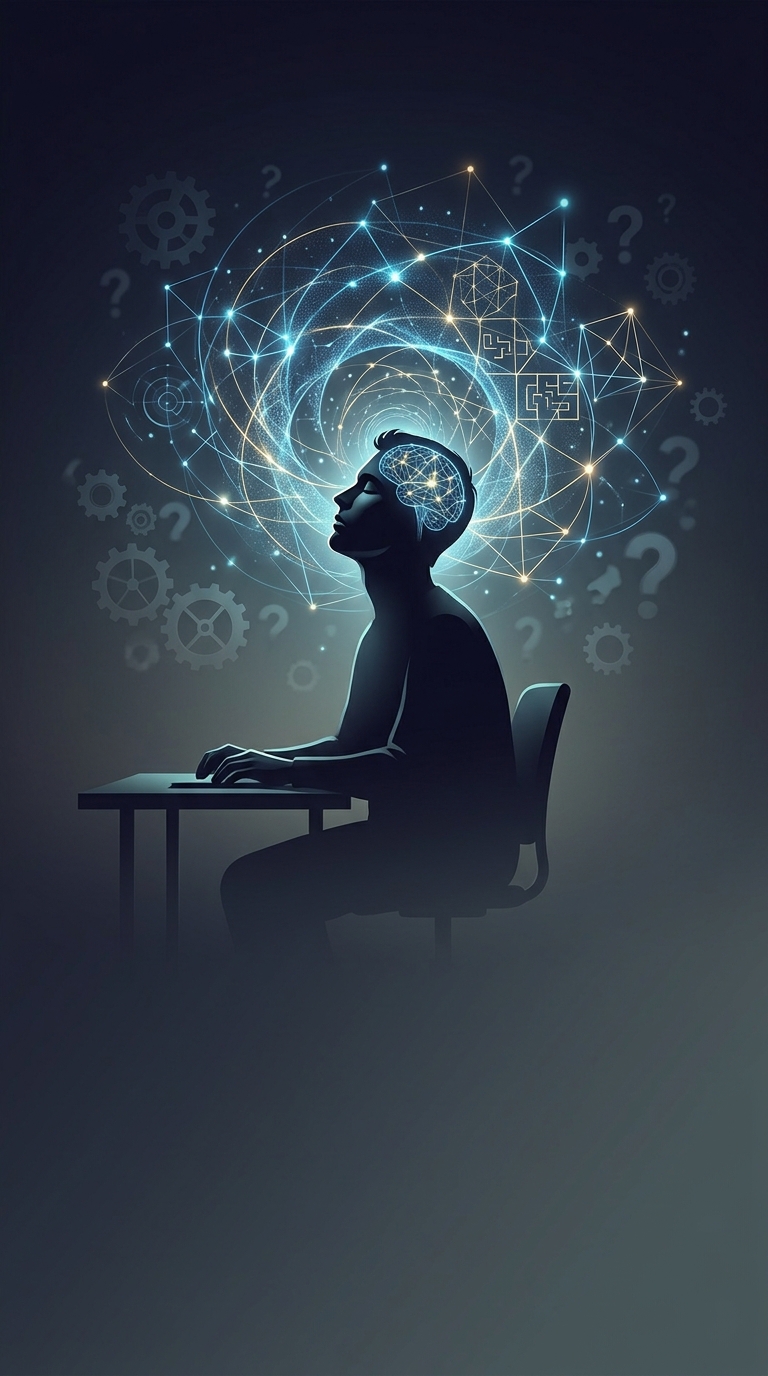
Why a solution can appear after you stop trying
A sudden answer often follows a period of incubation: you step away from a problem after working on it, and later a useful idea comes to mind. The pause can feel like your mind solved the problem in secret. More often, it changes how you approach it.
While you are focused, you may keep returning to the same assumptions or familiar approach. A break interrupts that loop. When attention is less tightly directed—during a walk, a shower, or the drift toward sleep—your thoughts can wander among ideas that focused effort kept apart. A new combination may then stand out as a possible solution.
What sleep may add
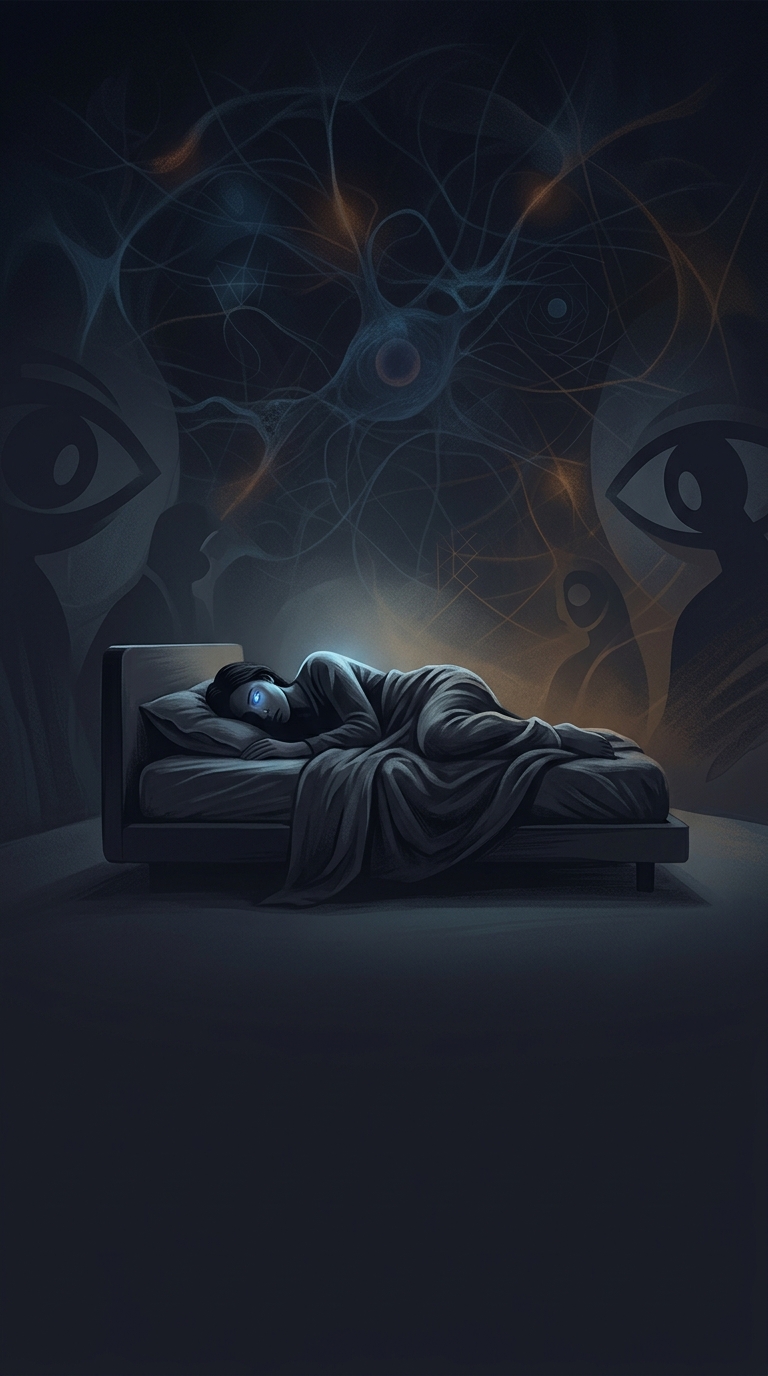
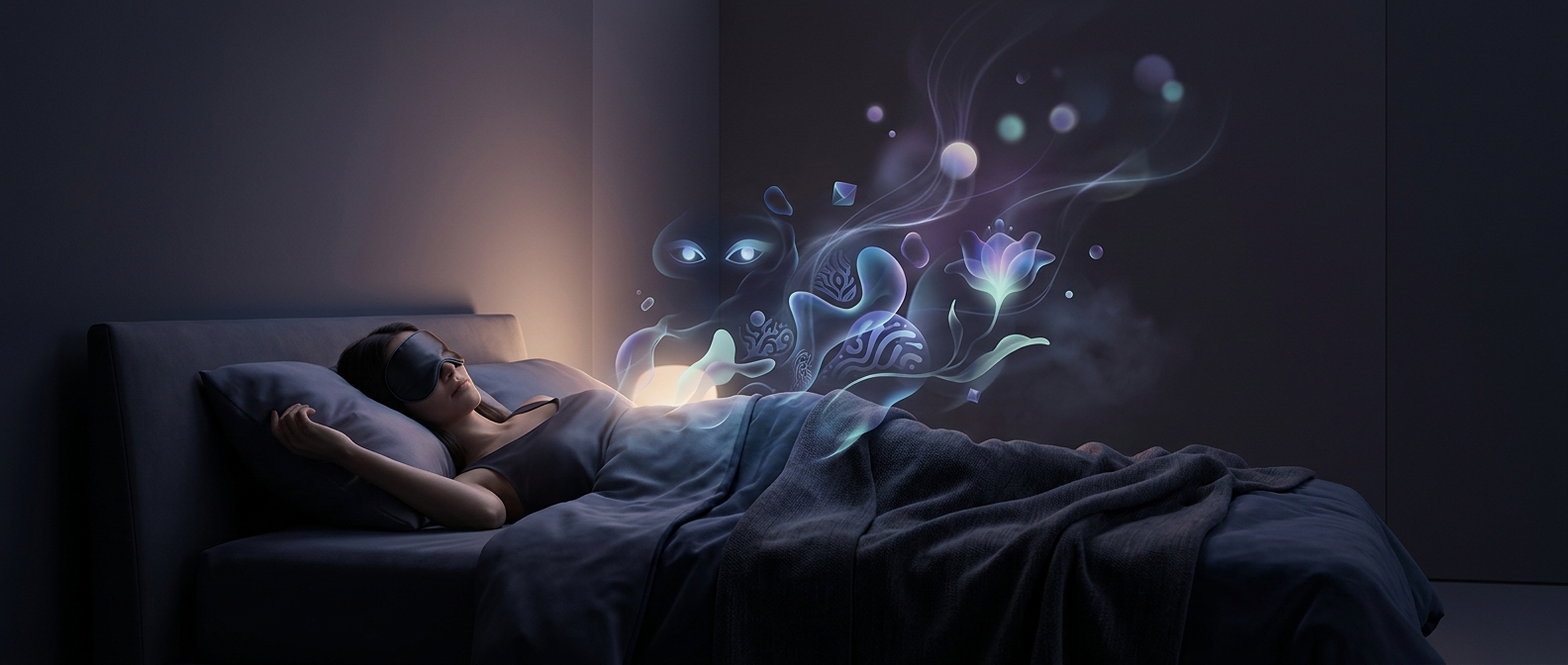
Sleep is not a magical problem-solving switch, and waking with an answer does not mean the brain has necessarily completed a hidden calculation. But sleep does help the brain organize and stabilize memories. That can make relevant details easier to connect or retrieve later. The transition between sleep and waking can also produce unusual associations, some useful and many not.
The key is that a promising insight still needs checking. A solution can feel convincing because it is vivid, not because it is correct. Returning to the problem with a rested mind lets you test the idea against the facts and constraints.
How to give insight something to work with
A break is most useful after you have clearly defined the problem and gathered the information needed to tackle it. Then change activities rather than repeatedly rehearsing the question. This gives attention a chance to loosen without asking an unprepared mind to conjure an answer from nothing.
That is why a solution may seem to arrive fully formed in the morning: the work that made it possible began earlier, while the pause made a different connection easier to notice.