When the brain cannot recognize blindness
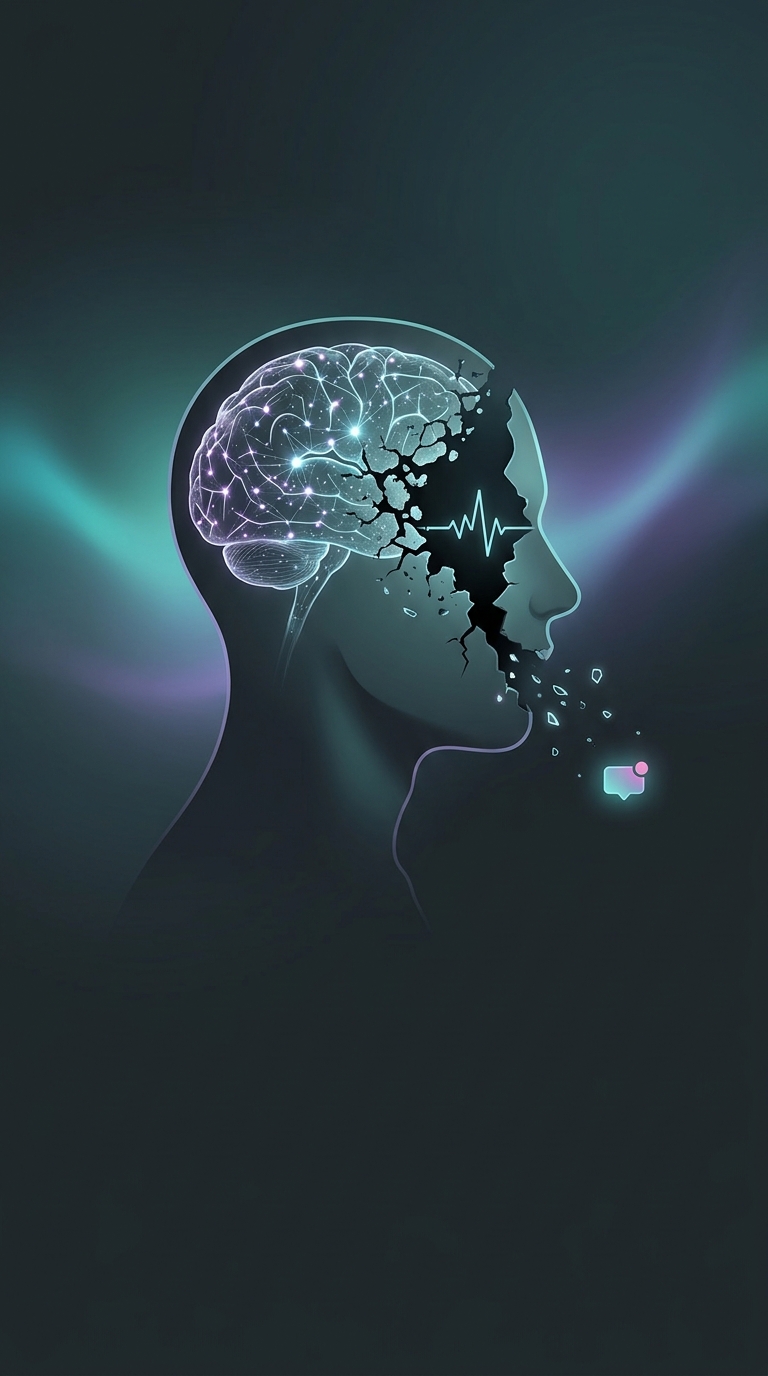
Anton syndrome, also called Anton–Babinski syndrome, is a rare condition in which damage to the brain’s visual-processing areas causes blindness while the person does not recognize that they cannot see. The eyes may still receive light, but the brain cannot form usable visual experiences from it. At the same time, the injury can disrupt the brain’s ability to monitor its own perception.
That second disruption is what makes the condition so striking. Usually, people notice a mismatch between what they expect to see and what they can actually see. In Anton syndrome, that warning signal may be missing or impaired, so the person can feel certain that vision is present even when it is not.
How guesses become apparent sights
When asked to describe a room or identify an object, a person may give an answer based on context, memory, or chance. If it is wrong, they may explain the mistake as poor lighting, a moved object, or some other obstacle rather than blindness. Such explanations are not necessarily deliberate lies: the person may sincerely believe the account they are giving.
The brain normally uses feedback about its own performance to catch errors—much as noticing that a prediction repeatedly fails can prompt someone to revise it. Here, damage interferes with that correction. The mind may produce a plausible account to fill the gap, while lacking the reliable evidence that would ordinarily expose the gap.
Why recognition matters
This is different from simply refusing to admit a disability. Someone who knows they are blind can describe the loss and adapt to it; someone with Anton syndrome may not understand why other people are guiding them or why their actions keep going wrong. That can make ordinary tasks and conversations confusing and can complicate care.
The condition reveals a less familiar point about perception: awareness is not a perfect window onto what the brain is doing. A person can lose access to visual information and, through a separate failure of self-monitoring, also lose the ability to recognize that loss.