Why a doorway can interrupt a thought
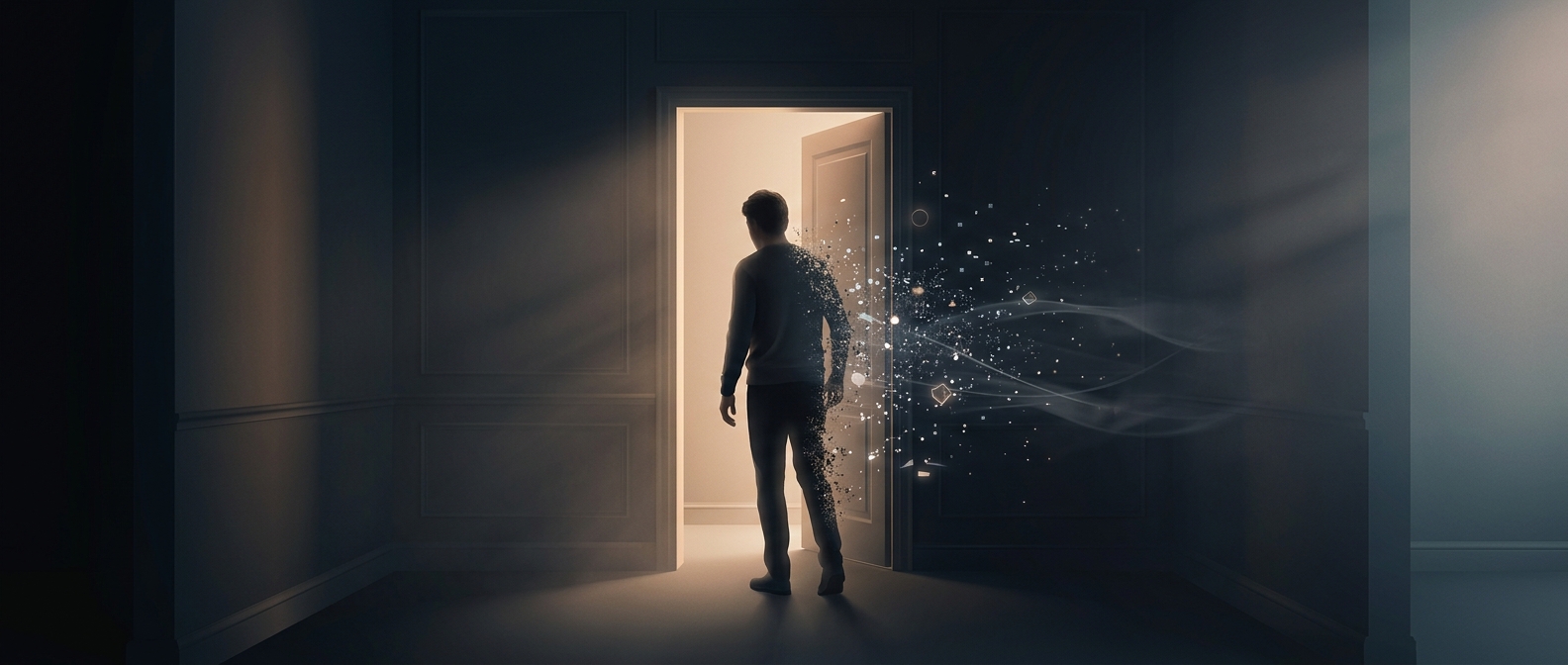
You head into another room to get your phone, then arrive with no idea why you went there. The doorway may have helped trigger the lapse—not because it erased a memory, but because crossing into a new space can prompt the brain to shift what it is treating as the current situation.
Psychologists call this an event boundary: a perceived break between one episode and the next. The brain organizes ongoing experience into episodes, such as getting ready to leave or searching for an object. As the surroundings change, it updates its working account of what is happening and what matters next.
The goal gets harder to retrieve
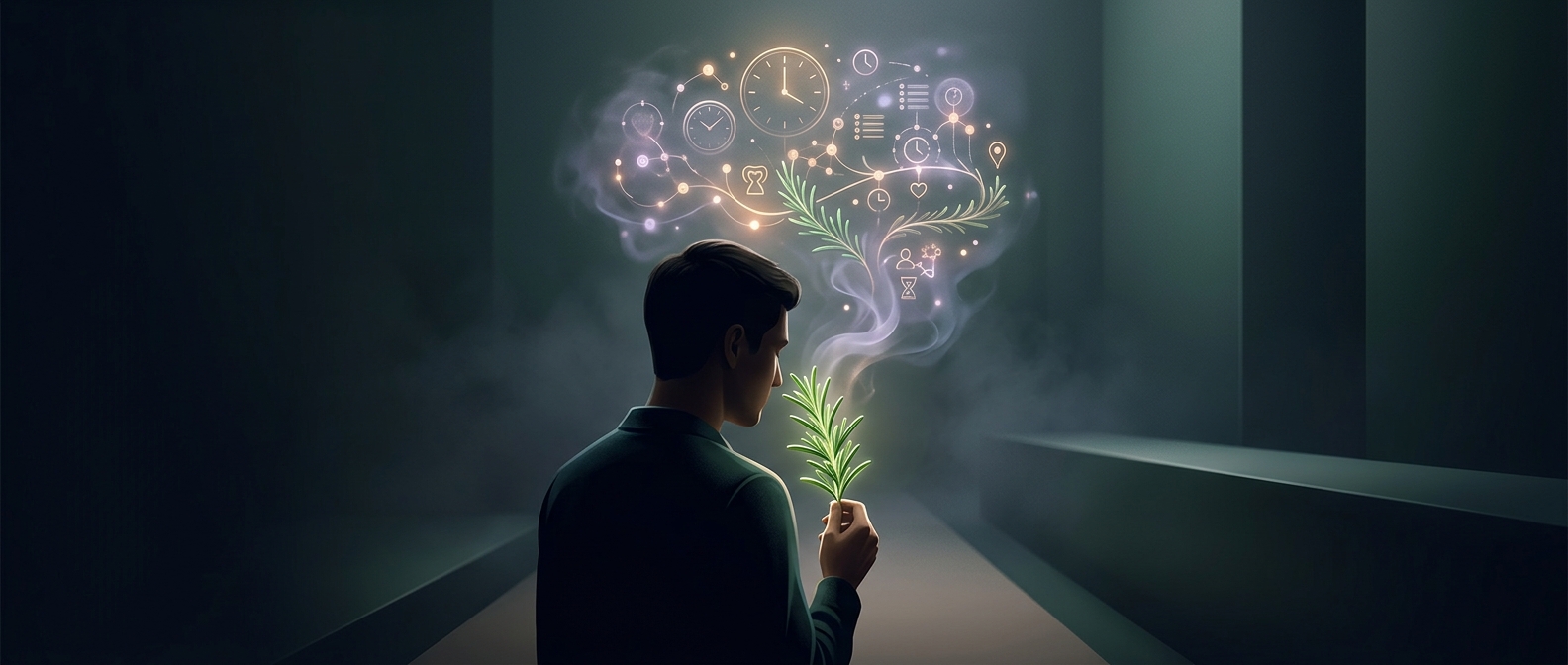
A plan like “get my keys” is often held in working memory, the limited mental workspace used to keep information available while you act. On the way to the next room, that goal competes with navigation, sights, sounds, and other thoughts. Crossing a threshold can make the previous episode feel complete, so the goal becomes less accessible just when you need to act on it.
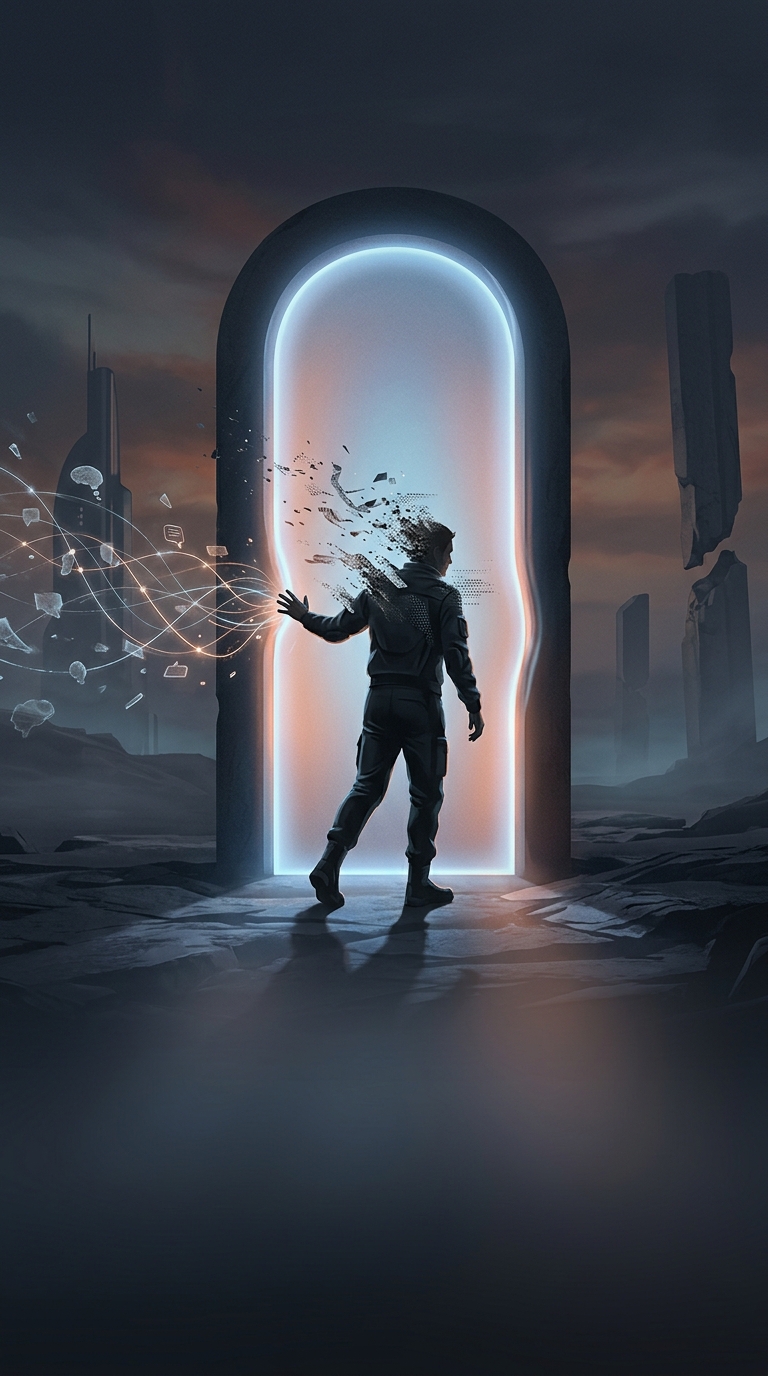
This is sometimes called the doorway effect. It is not a rule that every doorway wipes a thought: a strongly rehearsed or important goal may stay active, and distraction can also explain many ordinary lapses. The boundary is better understood as a cue for updating the mental scene, which can make details from the previous scene temporarily harder to retrieve.
Rebuilding the intention
If you lose the thread, returning to where you started can help. The earlier room and its surroundings may provide cues linked to the original goal, making it easier to reconstruct what you intended to do. The small embarrassment of arriving empty-handed is a reminder that memory depends not only on what we meant to do, but also on the context in which that intention was formed.