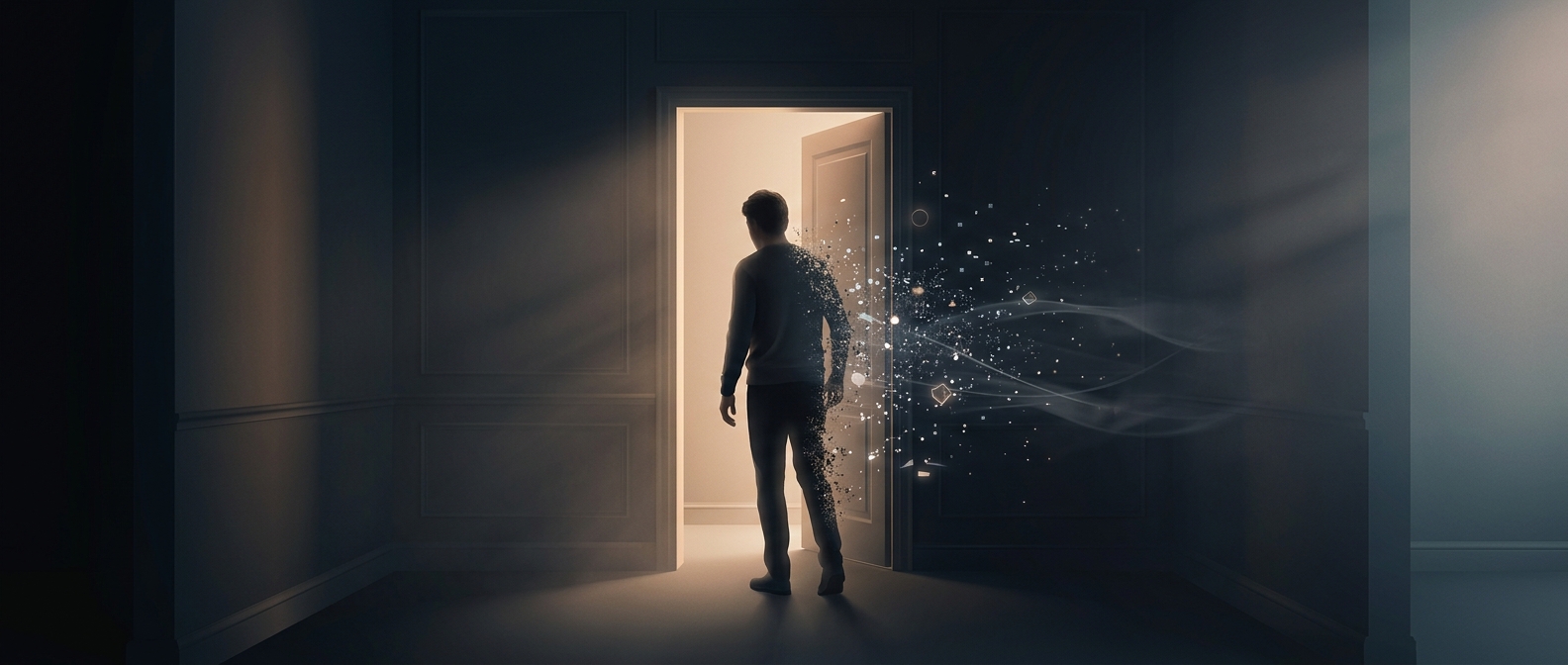
Why a doorway can interrupt a thought
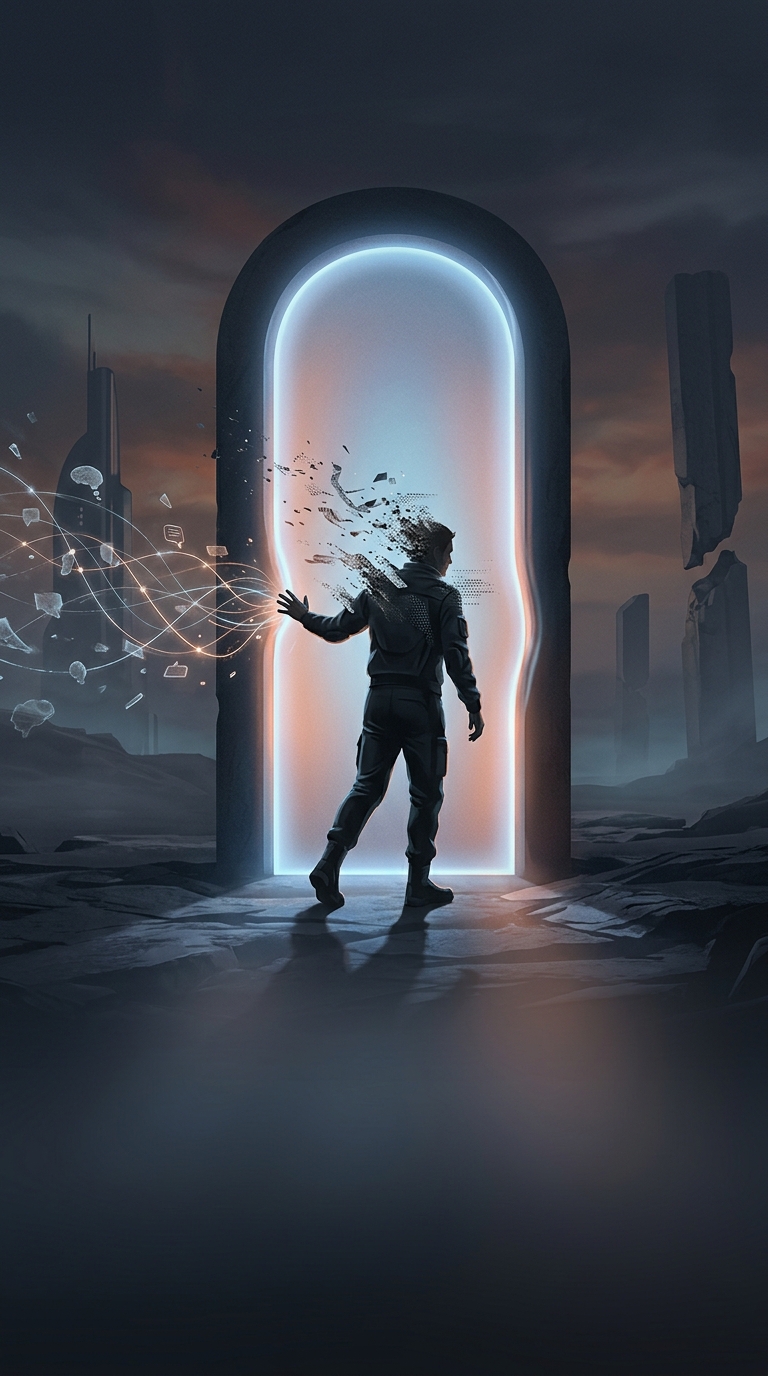
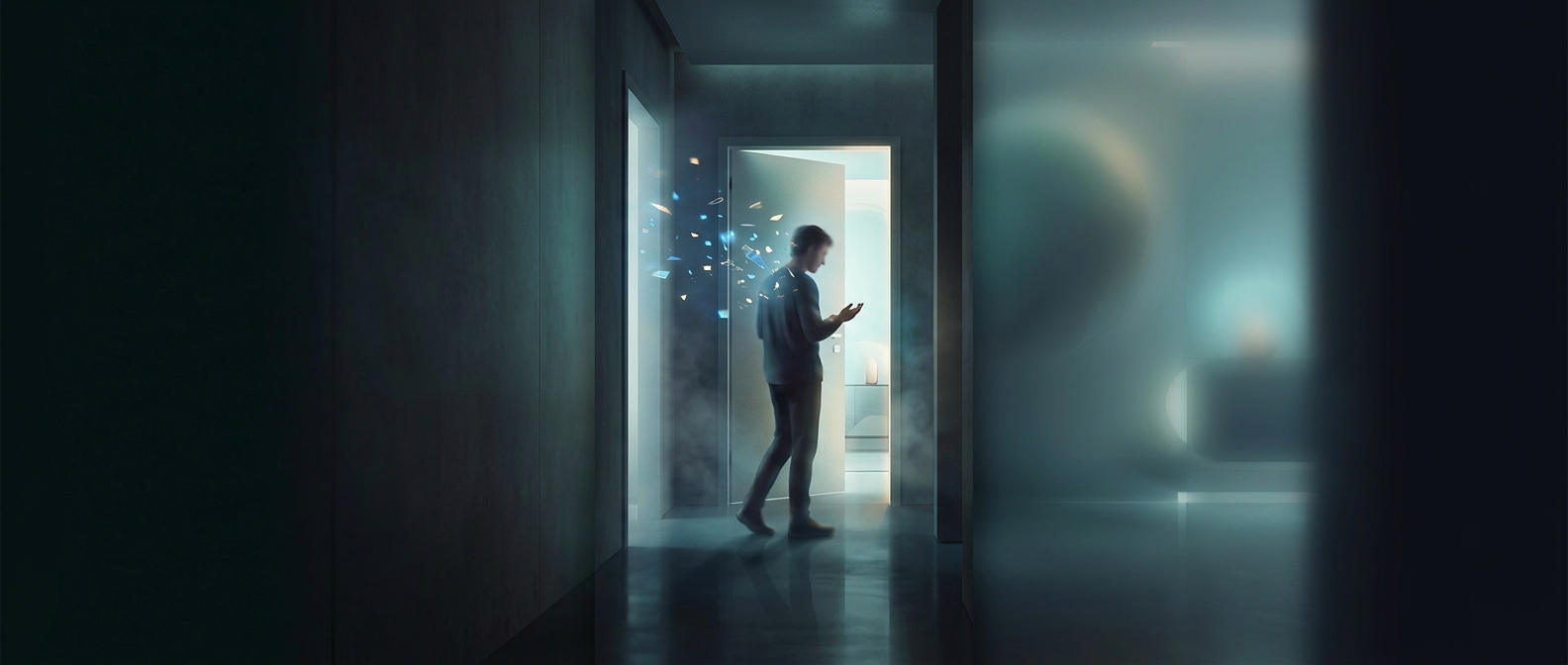
You head to the kitchen for a glass, cross the doorway, and suddenly cannot remember why you came. The task may not have vanished from memory. Instead, the details that made it easy to retrieve—what you were doing, what you were looking at, and what you planned to do next—have changed.
Memory is often cue-dependent: a thought is easier to recover when something in the current situation points back to it. In the first room, your intention may be linked to a particular object or activity. Once you enter a different space, those cues are no longer in front of you, so the intention can be harder to bring to mind.
A room change can reset what feels relevant
The brain continually updates its mental picture of the current situation. A doorway marks a useful boundary: beyond it may be a different room, activity, or set of goals. That shift helps you focus on what matters in the new place, but it can also make the previous plan less accessible.
This is not the same as erasing a memory. If someone reminds you what you were doing, the intention may come back quickly. The problem is often retrieval—the right memory is there, but the new surroundings are not supplying the cues that would call it up.
Bring the intention across with you
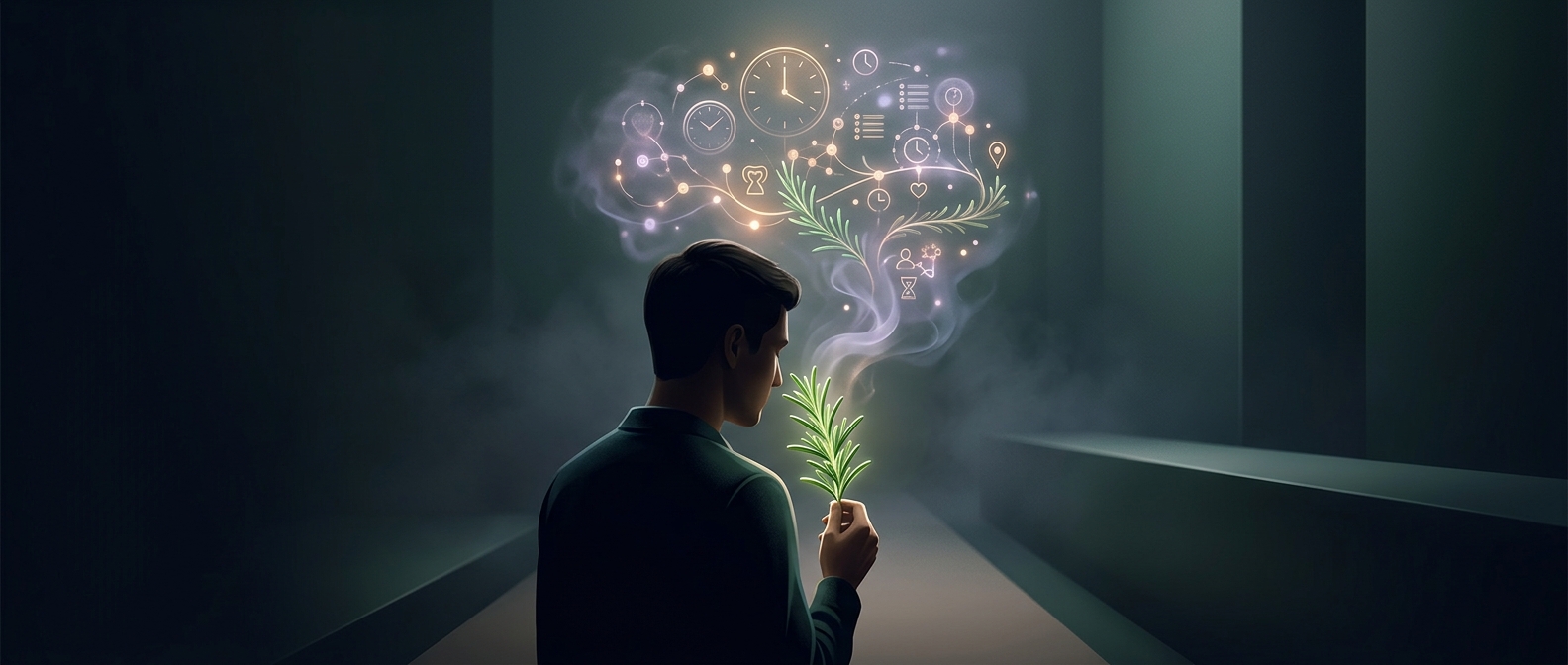
A small, concrete cue can bridge the transition. Before walking away, repeat the task to yourself, picture the object you need, or carry something connected to it. Those actions give the intention a cue that travels with you rather than leaving it behind in the old room.
That is why retracing your steps can help: returning to the earlier setting may restore the context that made the intention easier to find.