Why familiar quotes and logos can feel more exact than they are
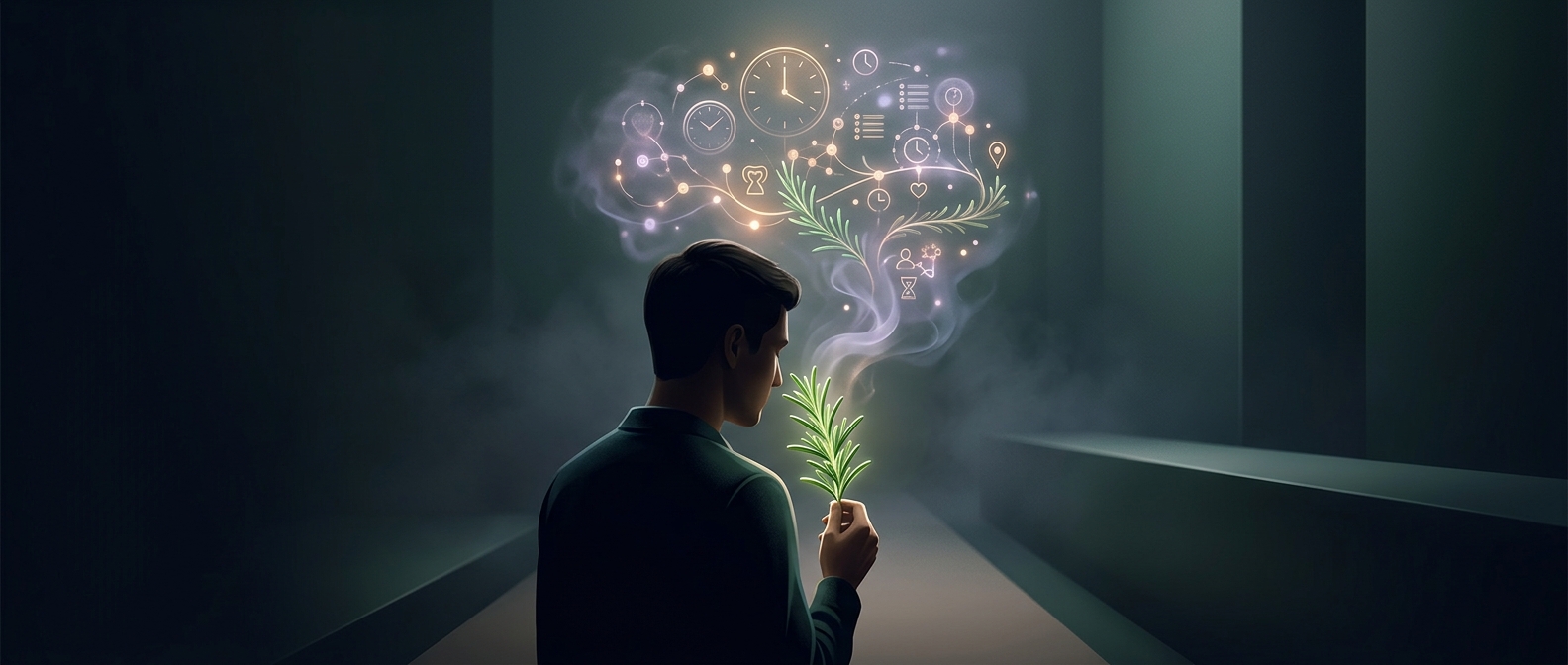
Memory does not store a movie scene or a logo as a perfect recording. It keeps pieces—such as the gist of a line, its emotional tone, and where it appeared—and rebuilds the experience when you recall it. That reconstruction is usually useful: it lets you recognize a familiar scene without replaying every detail. But it also leaves room for a small change to slip in.
A quote may be remembered in the phrasing that sounds most natural, rather than the words actually spoken. A logo may be recalled as a clean, symmetrical design even if its real lettering or shape is slightly different. Your brain’s expectations help fill gaps, and the result can feel like a direct memory rather than a best-fit reconstruction.
Familiarity can be mistaken for proof
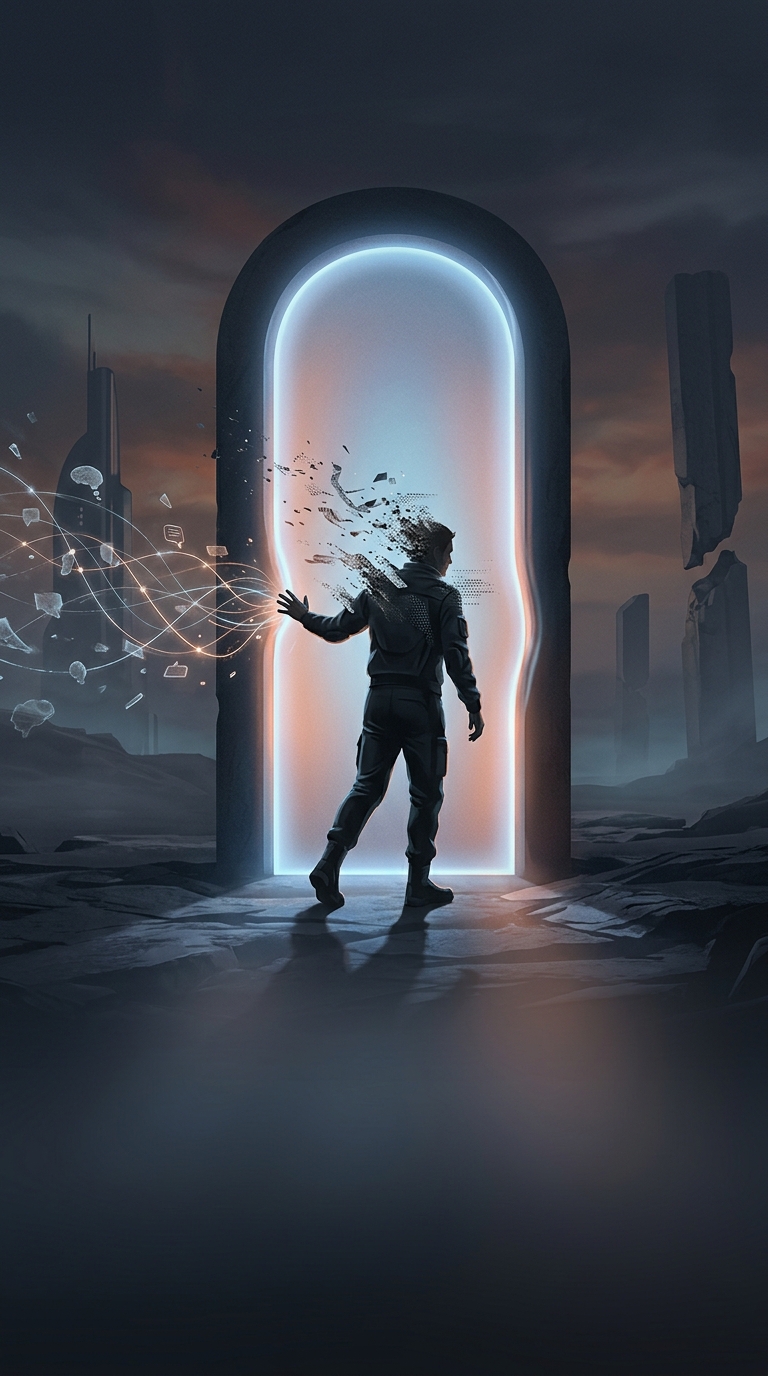
The more often a version comes to mind, the easier it becomes to process. That ease—called fluency—can feel like evidence that the version is correct. If you have repeated a misremembered line, seen it paraphrased, or heard other people repeat it, the wording may become familiar without becoming accurate.
Confidence and accuracy are related, but they are not the same. You may remember the scene vividly and still confuse its exact words with a later joke, a parody, or the way people usually quote it. This is a source-memory error: the detail feels known, while its origin is harder to identify.
Why disagreement can strengthen the false version
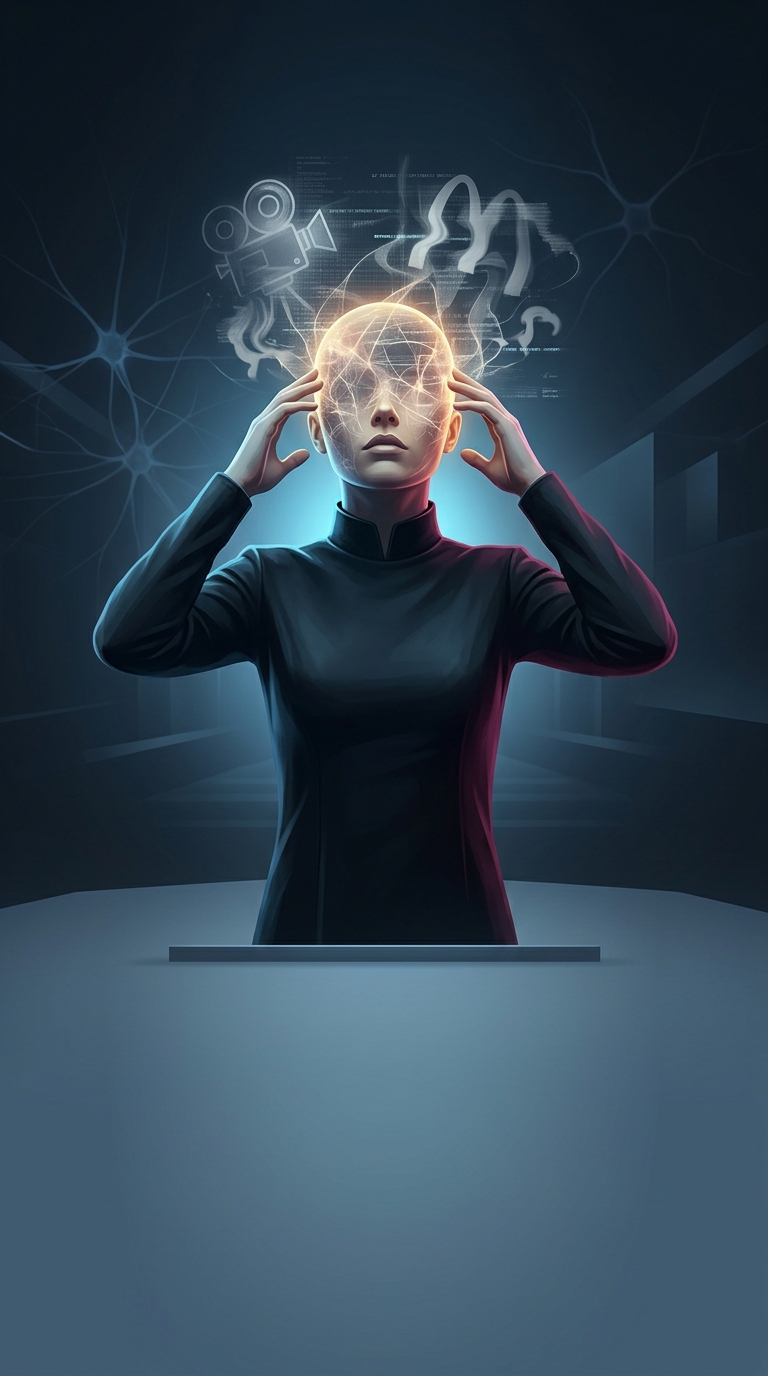
When someone points out a mismatch, you may try to picture the quote or logo again. That act of retrieval can reinforce the version you already have in mind, especially if it is vivid and socially familiar. Other people may share the same expectation, making agreement feel like confirmation even when everyone is relying on the same repeated shorthand.
The result is not that memory is useless; it is that memory is optimized to preserve meaning, not every pixel or syllable. For exact wording or design details, checking the original scene or image is more reliable than measuring certainty by how clearly it seems to come back.