How Music Can Give a Memory More Hooks
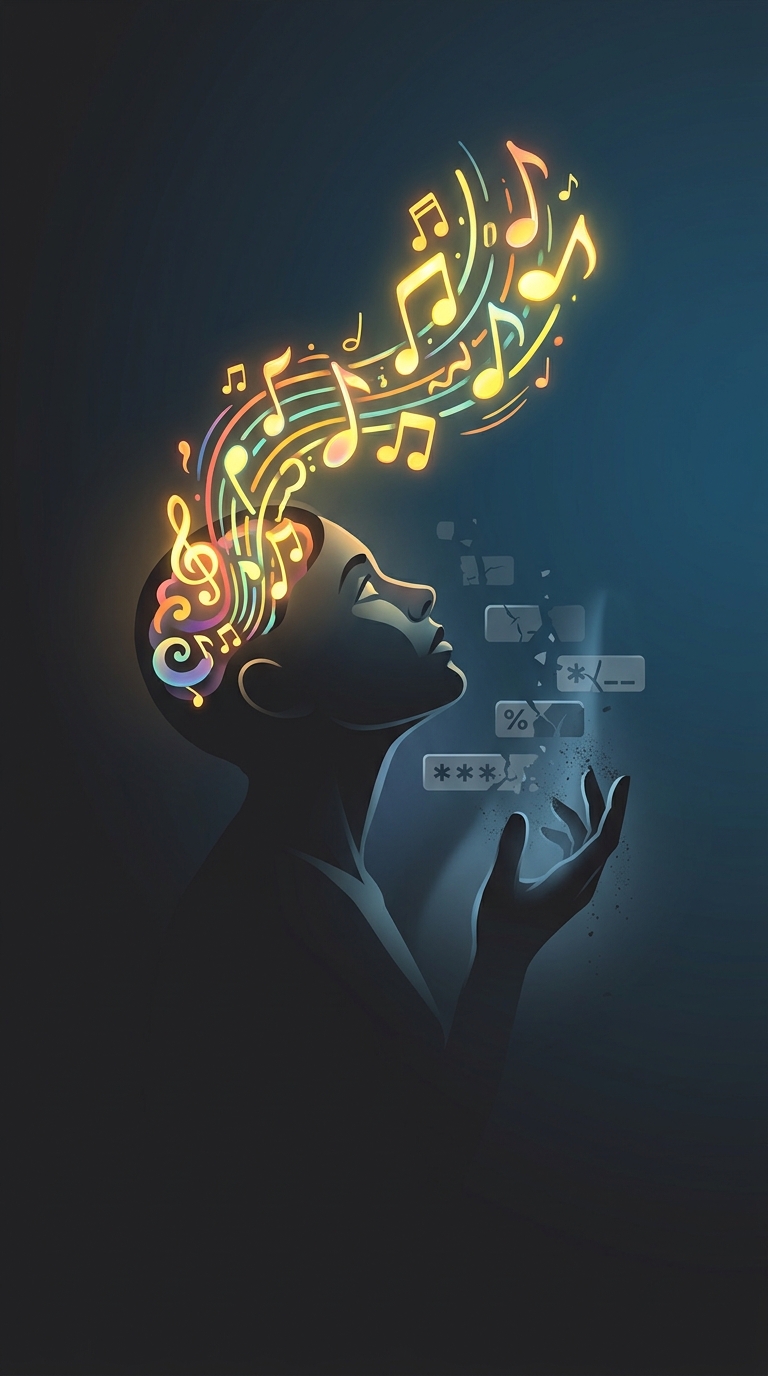
When you learn something with music nearby, the brain may store more than the information itself. It can also retain features of the moment: a beat, a melody, a mood, or the sound of a particular instrument. Later, encountering one of those features can help bring the learning episode to mind. In memory research, a reminder that helps unlock stored information is called a retrieval cue.
That cue is most useful when it is connected to what you are trying to remember. A repeated rhythm, for example, can divide a sequence into chunks, making the order easier to hold onto. A distinctive tune can also become associated with a set of words or facts, giving you another route back to them besides recalling the words alone.
Why the Effect Depends on the Task
Music can also shape attention and mood. A familiar or enjoyable song may make a study session feel more engaging, and a strong emotional response can make the surrounding moment more memorable. But music is not an automatic memory booster: lyrics or a complex sound can compete with reading, writing, or other tasks that rely on language. If the song takes attention away from the material, it may make learning harder rather than easier.
The difference is between music that supports the structure of the material and music that becomes a rival for attention. A steady rhythm may help with a patterned sequence; an intricate song with lyrics may be less helpful when learning prose. Personal familiarity matters, too: a song that carries a clear association for one person may be meaningless—or distracting—to someone else.
A Cue, Not a Guarantee
A music-linked memory can be easier to retrieve when a related cue is present, but that does not mean the song has permanently improved the memory or that hearing it will restore every detail. The practical payoff is more modest: music can add another path back to what you learned, especially when its rhythm or sound is meaningfully tied to the material. A tune that helps you remember a list may be doing more than keeping time; it may be part of how the list was organized in the first place.