A doorway can reset the mental scene
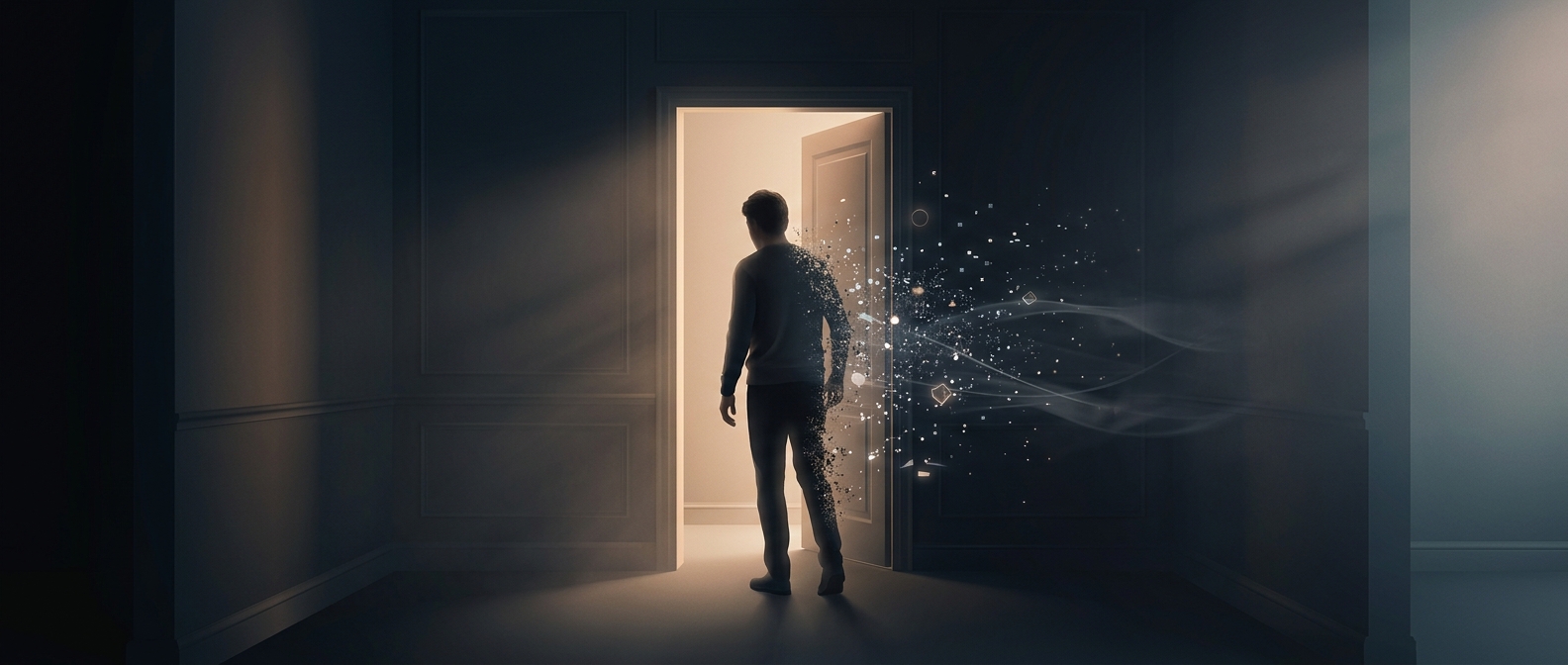
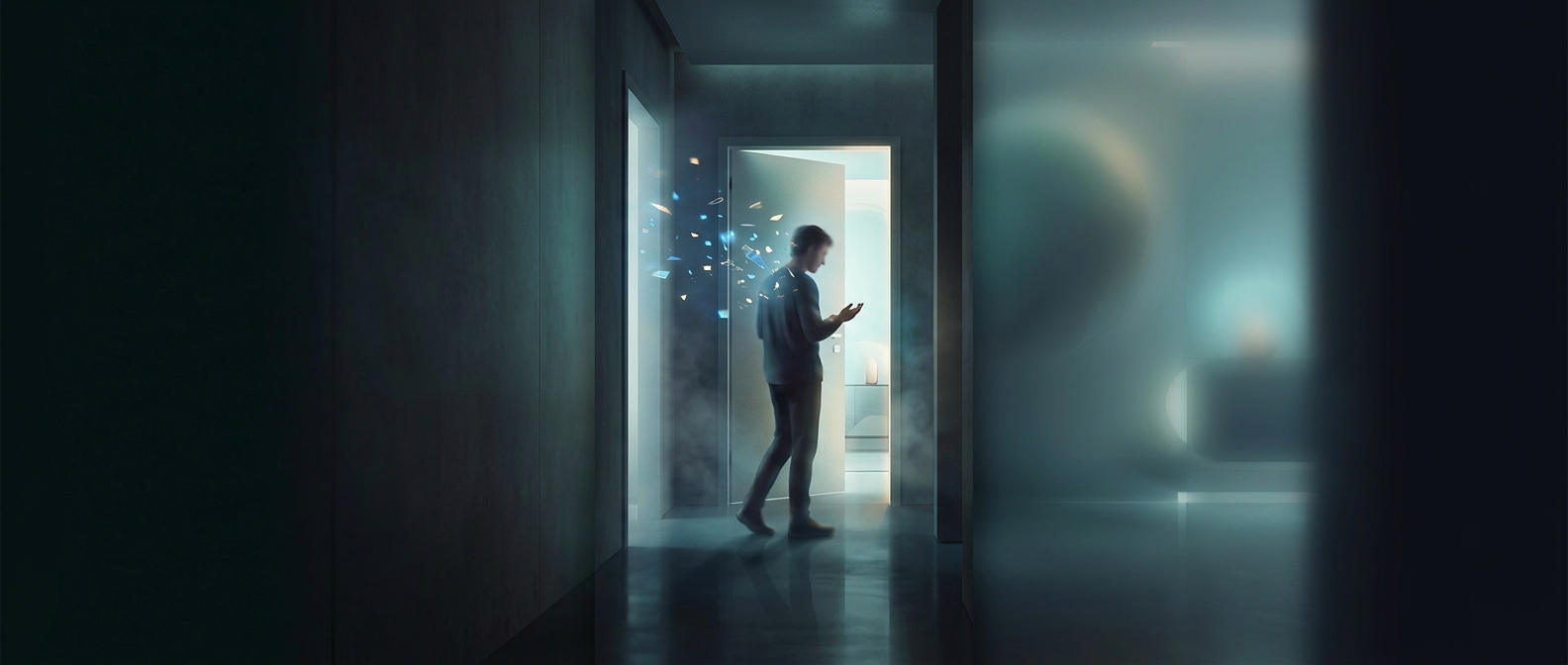
You head to the kitchen for a glass, cross the doorway, and suddenly cannot remember why you are there. The intention has not necessarily disappeared from memory altogether. It may simply have become harder to retrieve because your brain is now organizing attention around a new setting.
Memory is closely tied to context: the sights, tasks, and goals active when you formed an intention can help bring it back to mind. A doorway is a strong cue that one situation has ended and another has begun. As attention shifts to the new room, details from the previous scene may become less accessible.
Why the intention gets stranded
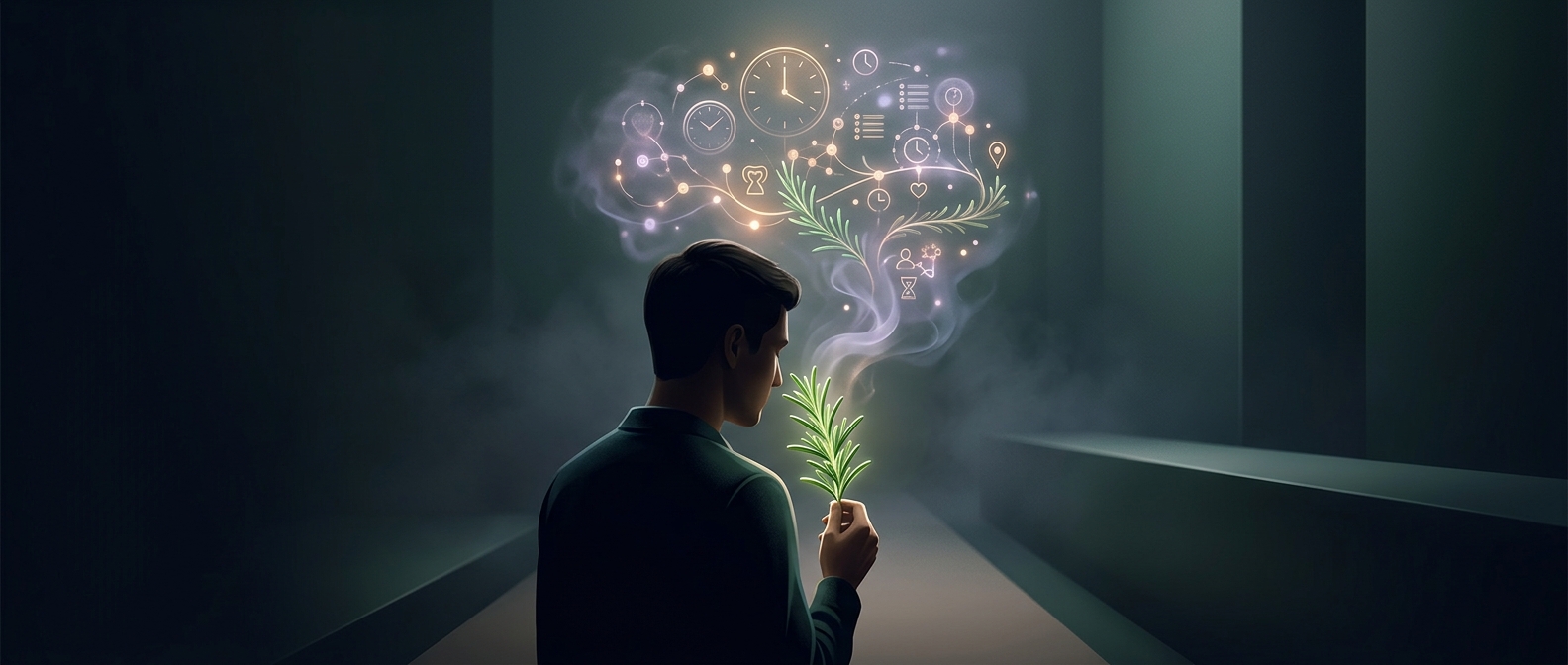
Remembering to do something later is called prospective memory. It depends not only on storing an intention—“get the glass”—but also on keeping it active enough to guide you while other things compete for attention. Walking through a doorway can interrupt that ongoing mental work: the new room presents fresh objects and possible tasks, while the original goal loses some of its cues.
That does not mean every doorway erases a thought, or that the intention is gone for good. Returning to the hallway or retracing your steps can restore parts of the earlier context, making the goal easier to recall. The same principle explains why a familiar object, place, or unfinished task can suddenly bring a forgotten intention back.
A practical way to carry the goal across
If the task matters, give it a cue that travels with you: say the next step aloud, picture the object you need, or carry something associated with the task. These cues help keep the intention available while your surroundings change. The surprising part is that forgetting can happen even over a few steps—not because the goal was meaningless, but because the mind has already begun treating the next room as a different situation.