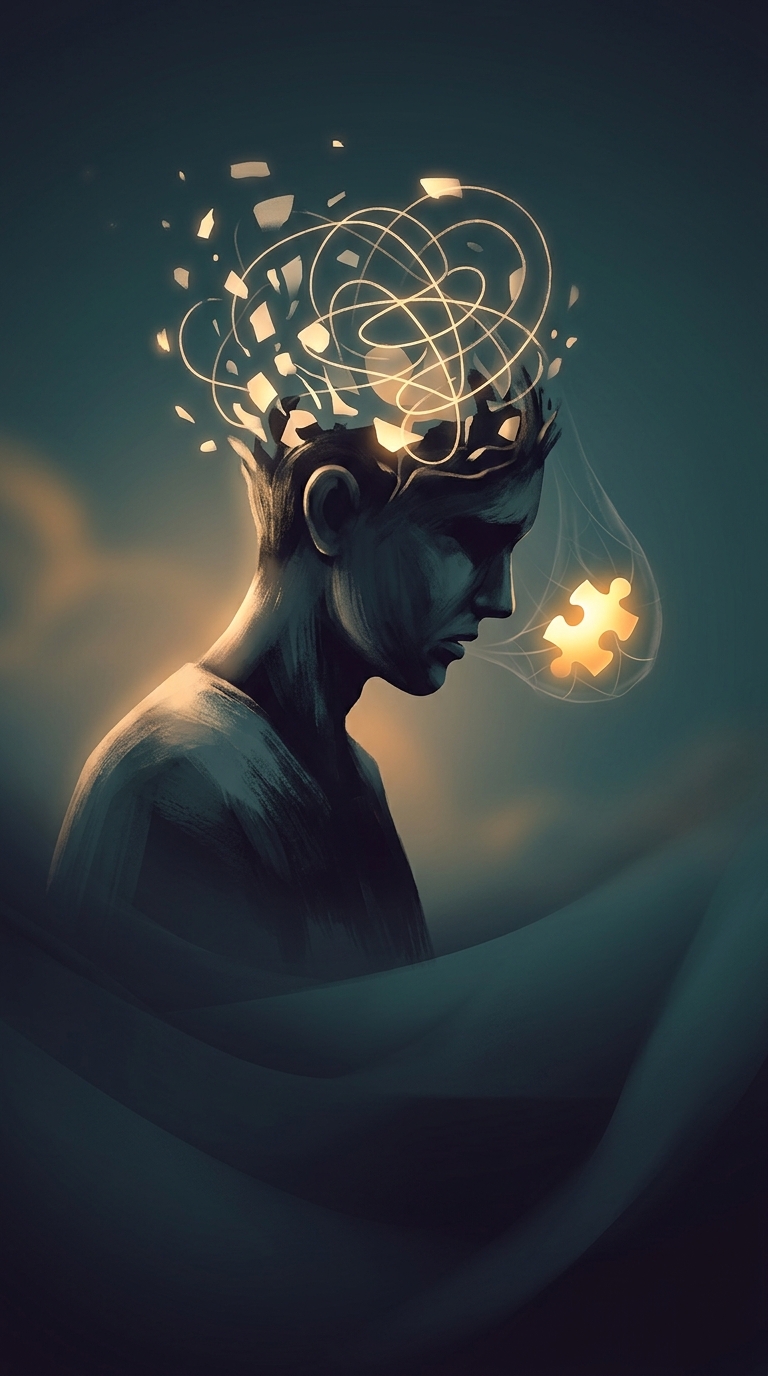
Why heartbreak can outlast the rush of a new crush
The mind does not file every emotional moment with equal weight. Negative experiences often get extra attention because they may signal a threat or a problem that needs solving. In a relationship, rejection, conflict, or sudden loss can prompt the brain to search for what went wrong and how to avoid being hurt again. That makes painful details feel especially important—and easier to bring back to mind.
Pain gets replayed; good feelings often do not
A breakup can leave questions without satisfying answers: What changed? Could I have seen it coming? Replaying conversations and imagining alternative outcomes is one way people try to make sense of a loss. But repeated attention also keeps the event mentally accessible, so it can seem to echo more loudly than it did at first.
A new crush, by contrast, often brings excitement tied to possibility: what might happen, what a message could mean, or where the connection could lead. Those moments can be intense, but their glow may be less likely to prompt the same sustained review. And when people remember an experience later, they do not retrieve a perfect recording; they rebuild it. The moments that remain most vivid can therefore shape the emotional story of the relationship.
Why the comparison can feel lopsided
This is a tendency, not a rule that every person remembers pain more strongly than joy. The closeness of a relationship, the circumstances of its ending, and what happens afterward all matter. Still, heartbreak can combine emotional intensity with uncertainty and repeated reflection—a powerful recipe for keeping memories near the surface.
That is why a painful exchange may return in sharp detail while the small, happy moments of a new romance blur together. The difference is not necessarily that the joy mattered less; the mind may simply have had more reason to keep revisiting the hurt.