Why the brain fills in the gaps at sleep onset
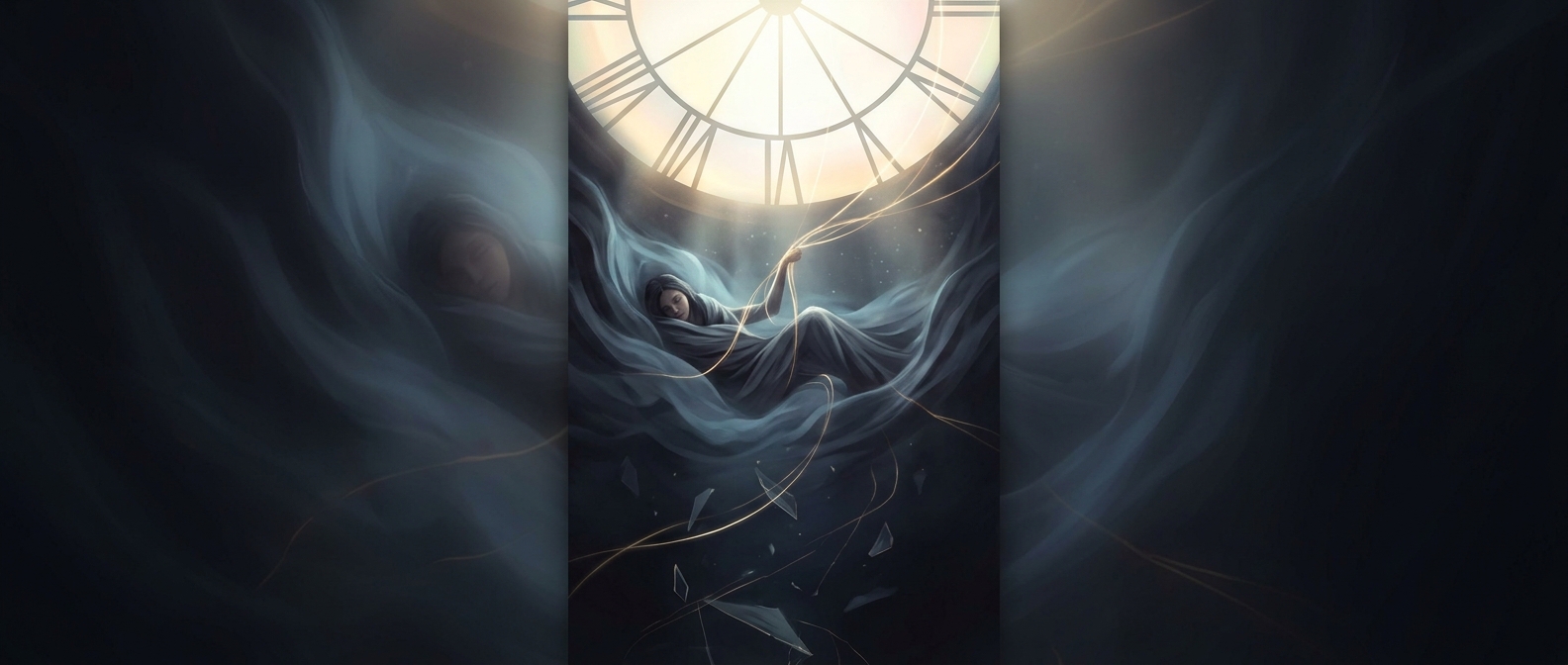
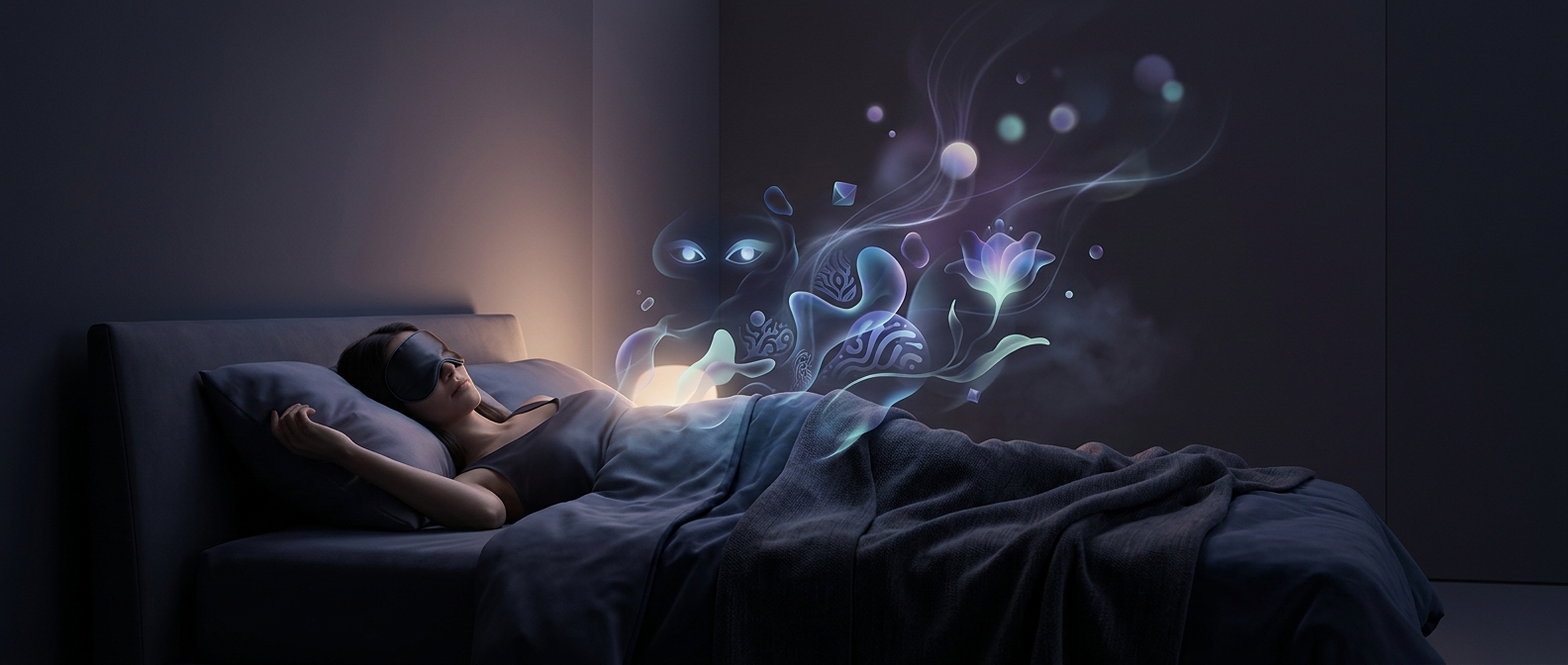
Falling asleep is not an instant switch. As wakefulness fades, attention to the room becomes less steady, and the brain begins producing brief, dreamlike images and thoughts. This transition is called hypnagogia. A person may still know they are in bed while seeing a face in a dark patch or hearing a sound that seems to come from nowhere.
Perception becomes more dependent on expectation
When you are alert, the brain checks its interpretations against a steady stream of sights and sounds. Near sleep, that stream receives less attention, while spontaneous memories and associations can surface more readily. The brain still tries to make a coherent scene, so an indistinct shadow may be interpreted as a familiar shape, or a small noise may seem like a word.
This is related to ordinary perception: the brain does not simply record sensory input; it combines incoming signals with expectations and past experience. With weaker or ambiguous input, those expectations have more room to shape what something seems to be. At sleep onset, the result can feel unusually vivid because the image or sound arrives as part of the mind’s own unfolding experience rather than as a deliberate thought.
Why the impressions can feel real
These episodes are usually brief and may vanish as soon as attention sharpens or the person fully wakes. They are not necessarily dreams in the familiar, story-like sense; they can be isolated fragments—a face, a phrase, a sudden sense of movement—without a clear plot. The striking part is how little material the brain needs: in a dim room, a vague patch of light can be enough for perception to settle on a recognizable pattern.