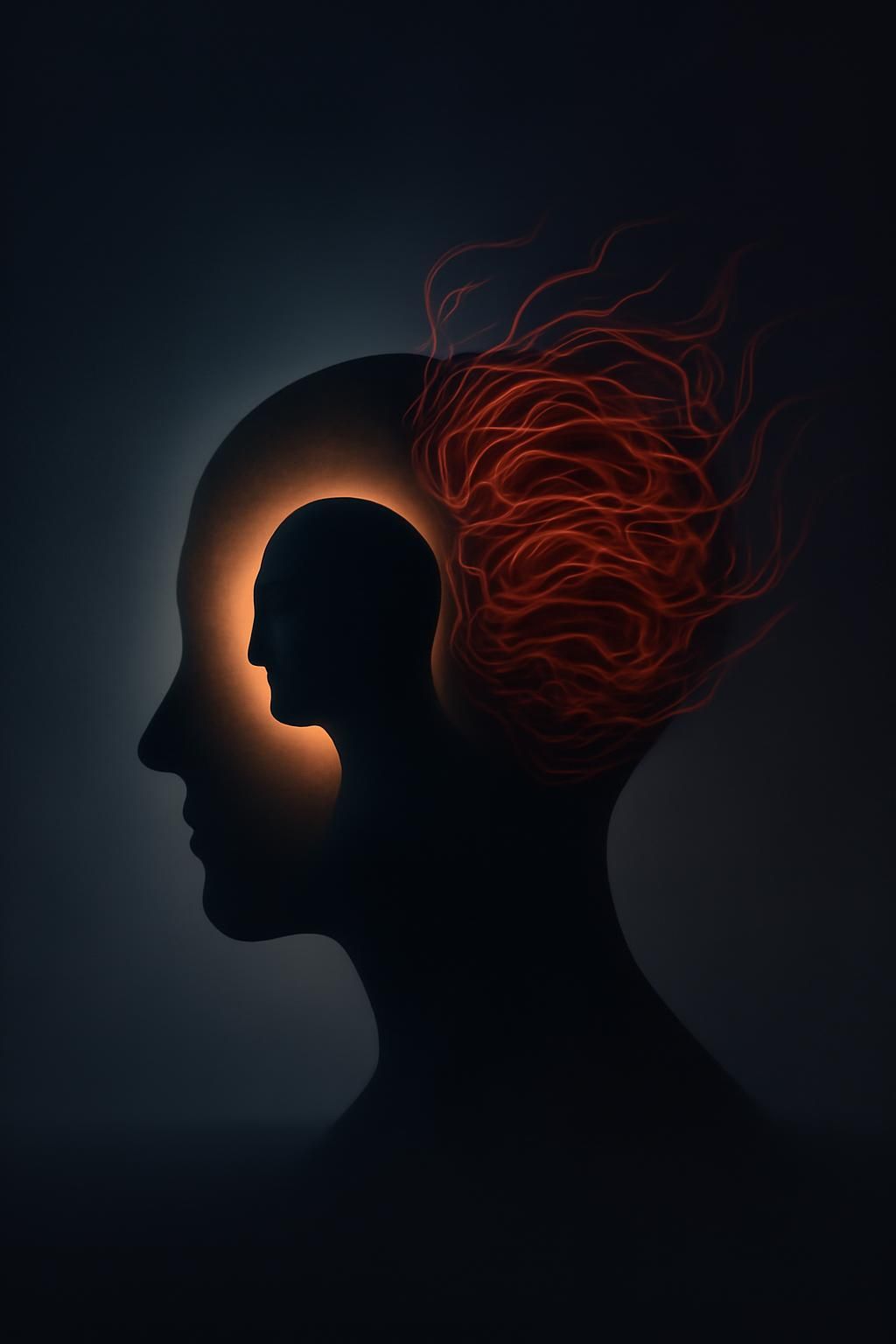
Why an unanswered threat keeps attention on alert
When pain is certain, the mind can organize around it: anticipate the moment, prepare, and then respond. Uncertainty removes that clear endpoint. The brain has to keep checking whether the threat is near, which can hold attention in a state of readiness even before anything hurts.
That repeated checking is costly. A person waiting for a painful procedure, for example, may monitor every sound or movement for clues about what comes next. Each cue could mean the pain is about to begin—or that it is still coming later. Instead of concentrating on one known event, the mind keeps revisiting an open question.
Why certainty can feel easier
Knowing what to expect does not make pain pleasant or harmless. It can, however, make the situation more manageable: someone can brace, plan their breathing, or focus on getting through a defined interval. Uncertainty frustrates those preparations because the person cannot tell when to use them or when it is safe to relax.
This is why waiting can feel like its own burden. The distress comes not only from the possible pain, but from having to stay prepared for it without knowing when—or whether—it will arrive. A guaranteed bad moment has an endpoint; an unresolved threat keeps demanding attention.