Why arriving late can feel like a public spectacle
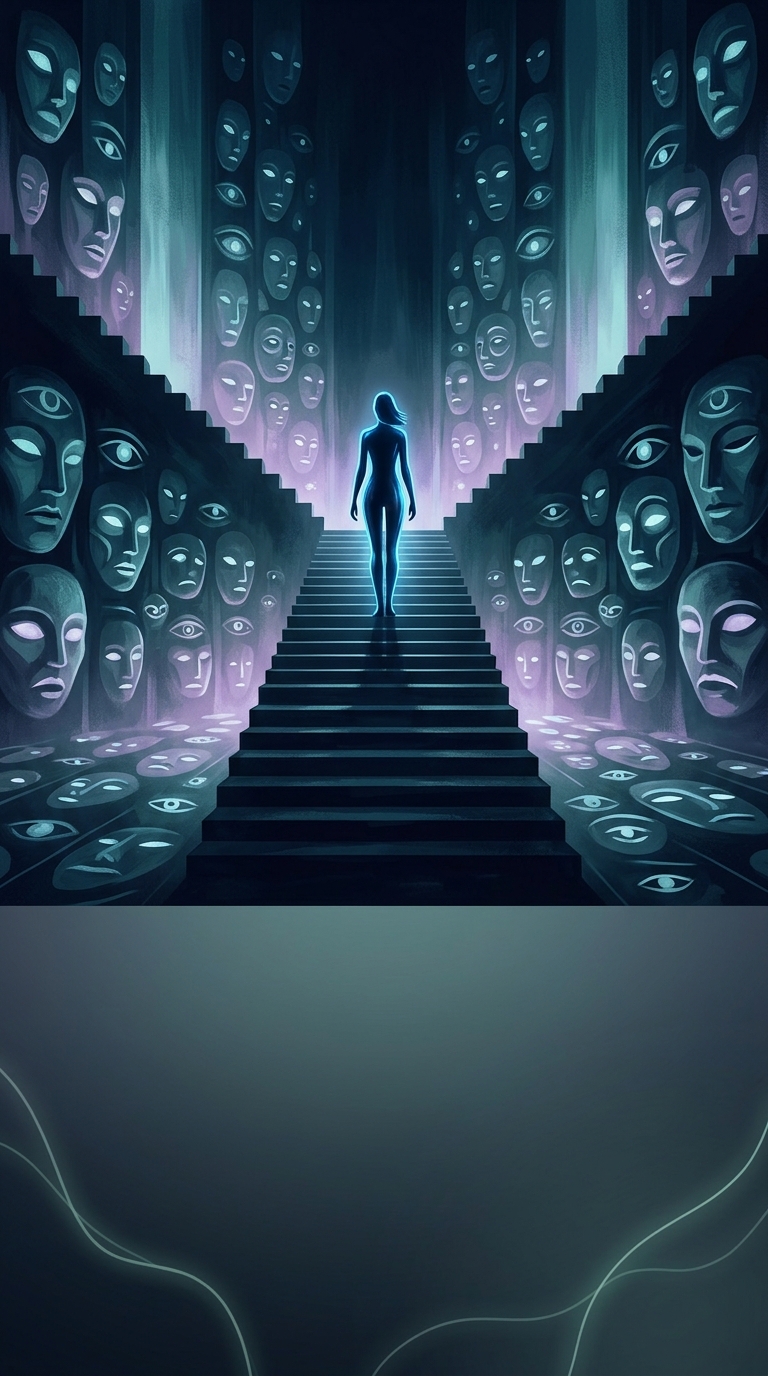
The moment you open the door, you know exactly where attention is pointed: at you. You may be aware of the interruption, the heads turning, and the fact that everyone is already seated. That vivid self-awareness can make it seem as though other people are studying your entrance as closely as you are.
Psychologists call this tendency the spotlight effect: we often overestimate how much other people notice us. Our own thoughts and feelings are immediate, so they seem central to the room. Everyone else’s attention is harder to read, and we may fill that uncertainty with the worst guess.
What other people are likely paying attention to
A late arrival can genuinely draw a glance, especially if the room goes quiet or the door makes noise. But noticing is not the same as forming a harsh judgment. Someone may look up to see who came in, then return to the conversation, the presentation, or their own worries. The person speaking may be thinking about what to say next; another attendee may be wondering whether they themselves are being noticed.
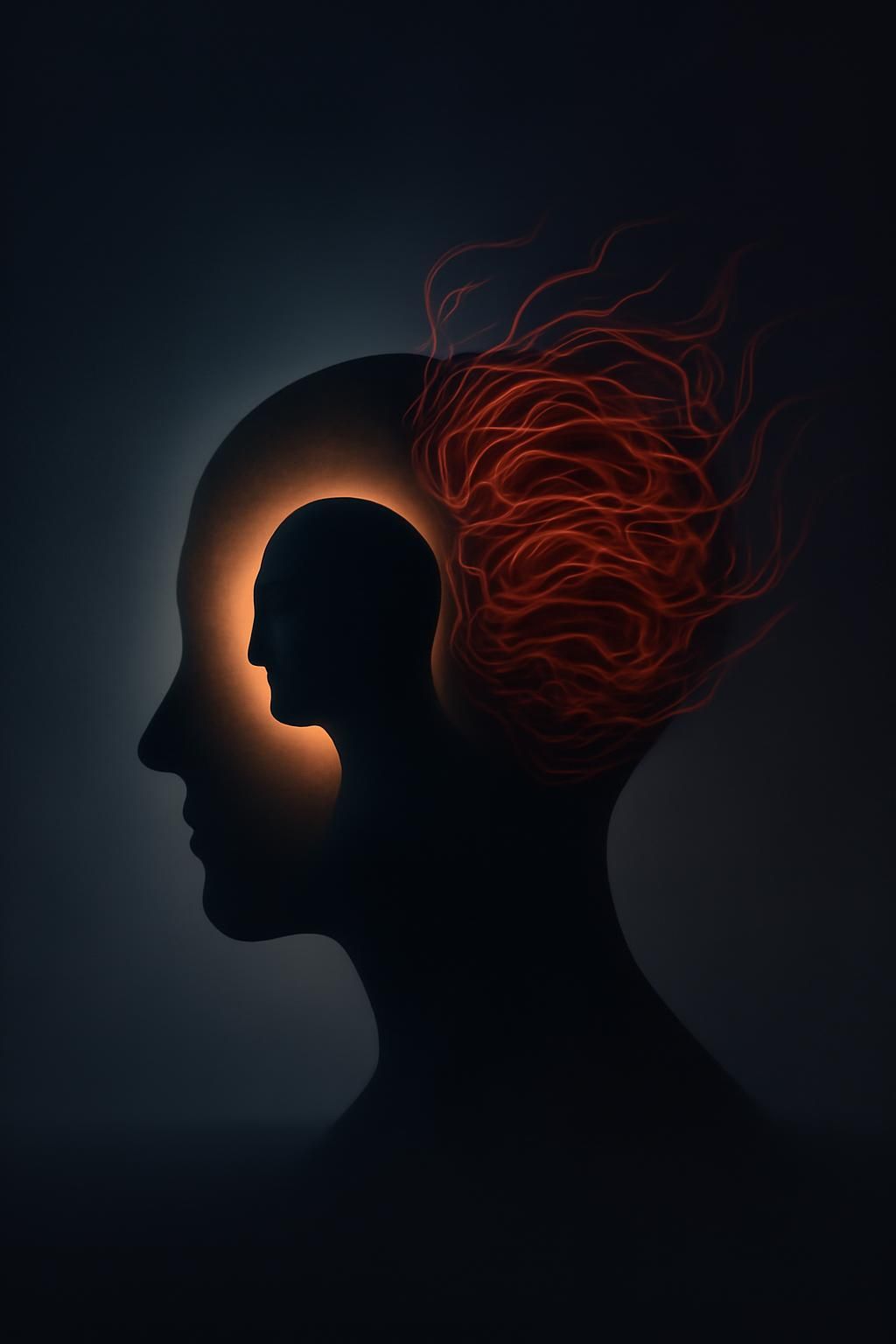
That mismatch matters: you experience your entrance from the inside, but others see only a brief event. Because you know why you are late and feel exposed, the moment can take up far more space in your mind than it does in theirs.
How to make the moment smaller
The feeling may persist even when the room has moved on. A practical response is to keep the entrance simple: come in quietly, take a seat, and rejoin what is happening instead of scanning faces for a verdict. That gives the room a chance to do what it usually does—shift its attention back to the task—and gives you evidence that a glance need not become a lasting judgment.