How a late schedule can worsen the morning after
Being a night owl does not automatically make someone more vulnerable to a hangover. The problem is how a late schedule can shift drinking and sleep into a tighter, less restorative window.
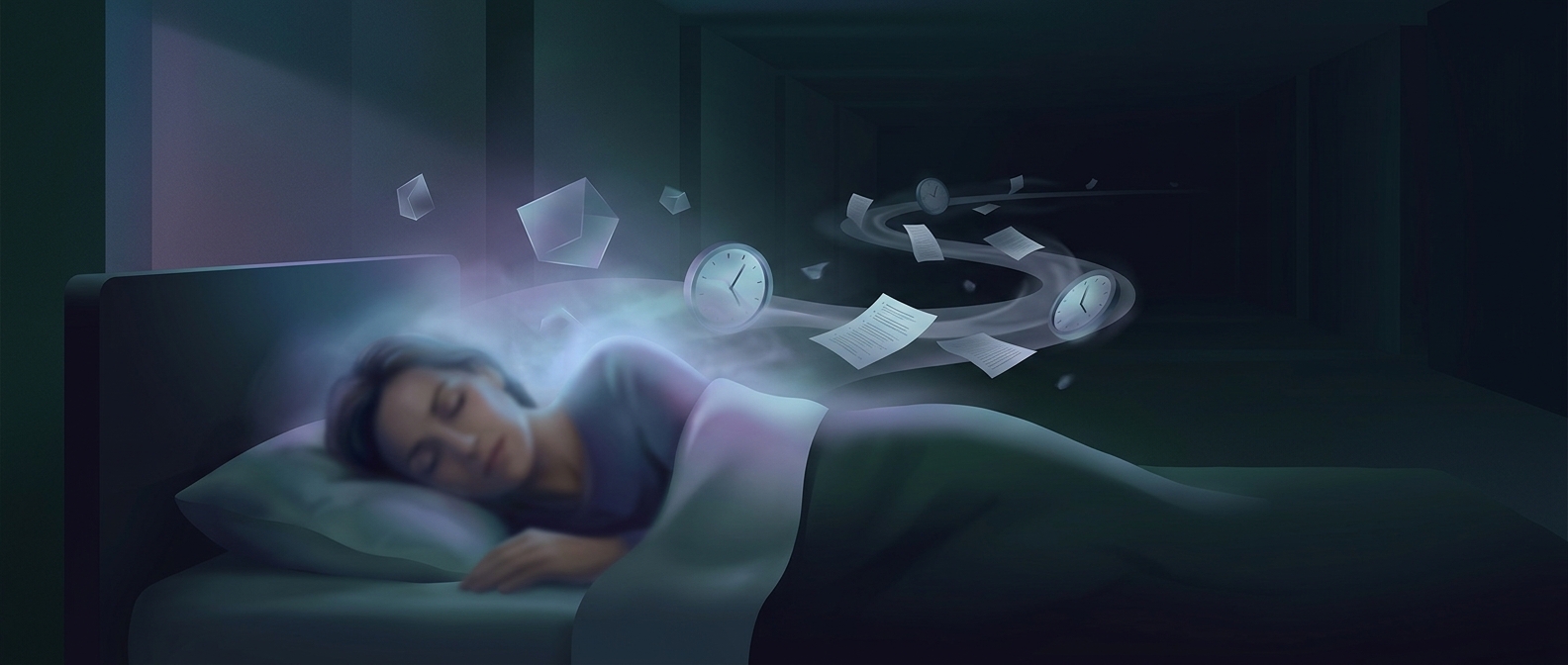
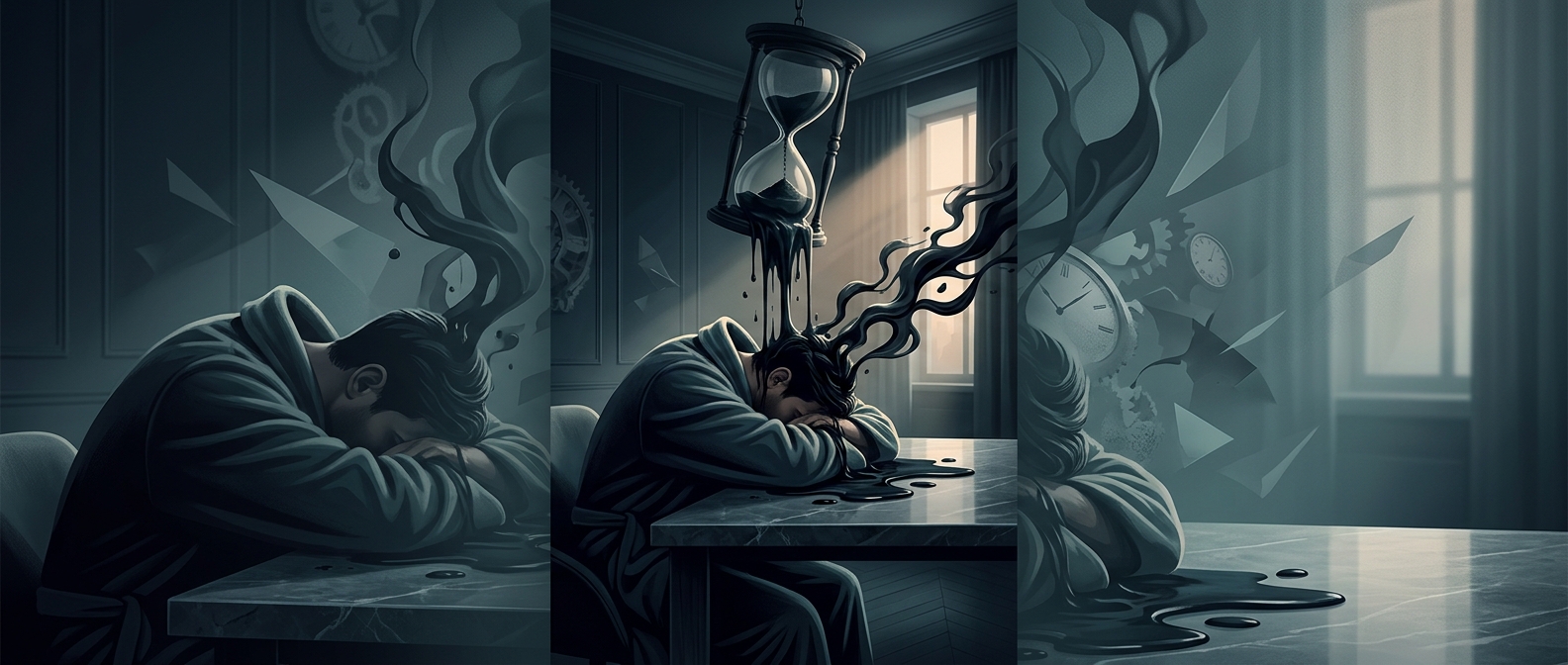
Someone who stays up late may also start drinking later. If they still need to wake at a usual morning hour, they have fewer hours available for sleep. Alcohol can make a person feel drowsy at first, but it tends to disrupt sleep as the night goes on, causing lighter, more broken rest. The result can be both a hangover and sleep loss, whose effects—such as fatigue, headache, and trouble concentrating—can compound one another.
Timing changes the recovery window
The body clears alcohol over time; going to bed does not speed that process. But a late bedtime followed by an early alarm can leave less time to rest while that process is underway. Alcohol’s effects on sleep also mean that time spent in bed may not provide the same recovery as uninterrupted sleep.
That is why the same amount of drinking can feel worse after a night that ends late and short. The practical difference is not a special “night-owl hangover” mechanism: it is the combination of later drinking, alcohol-disrupted sleep, and a smaller chance to recover before morning.