Why alarming news is hard to put down
A frightening headline creates an unanswered question: What happened? How bad is it? Is there something I should do? The mind tends to keep attention on unresolved concerns, especially when they might involve danger. Scrolling can feel like a search for the missing piece that will finally make the story understandable or safe.
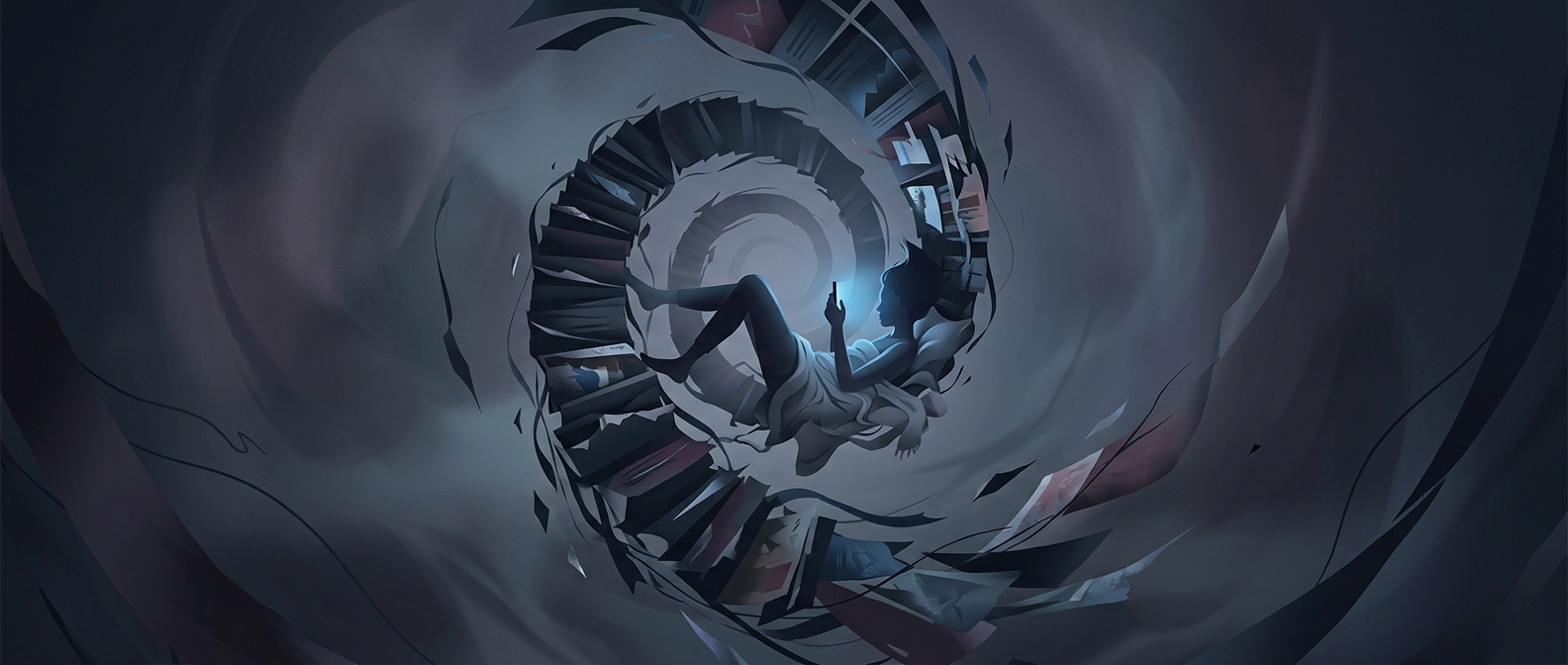
But news feeds rarely deliver a clean ending. One update may clarify a detail while raising another question; a new headline then offers a fresh uncertainty. The search for closure can become a loop because each answer keeps attention engaged rather than signaling that it is time to stop.
How the loop delays sleep
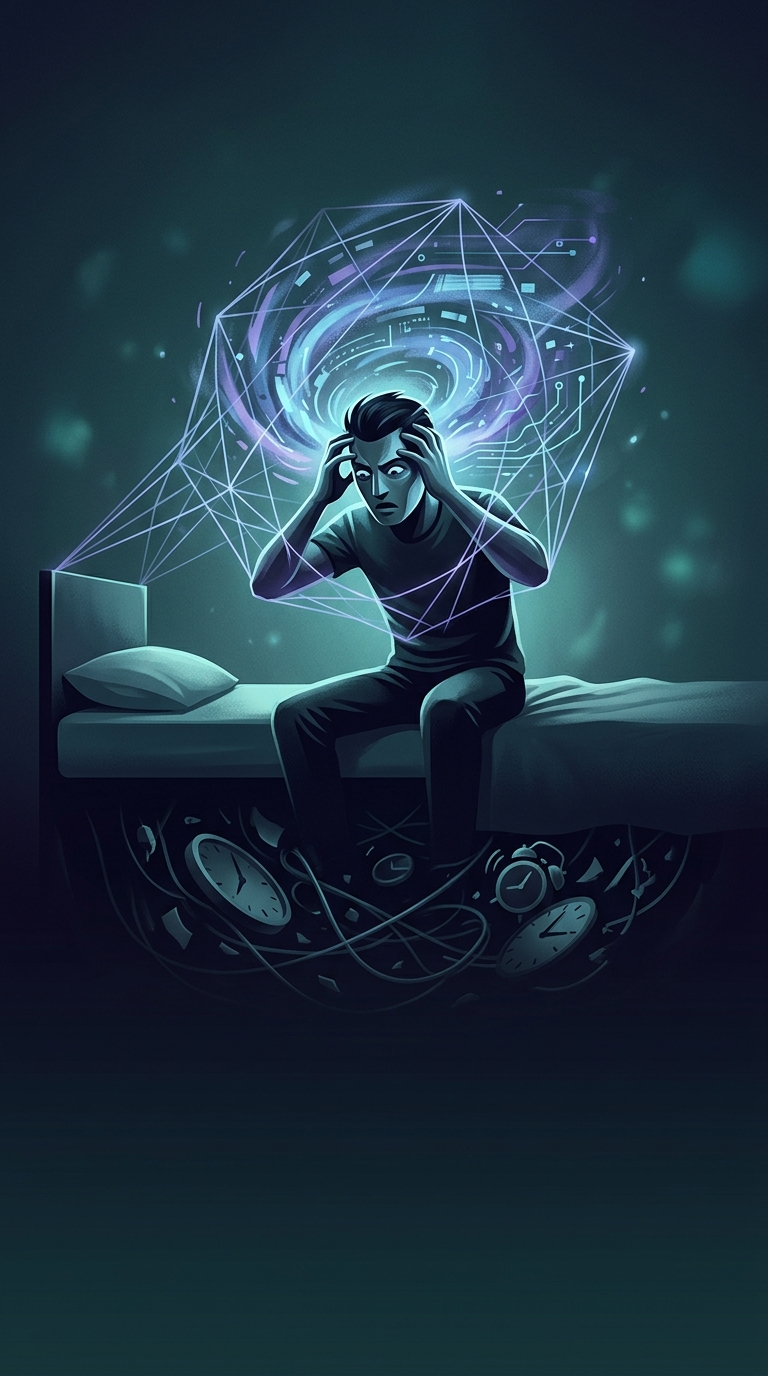
Sleep requires a shift away from monitoring and problem-solving. Disturbing stories can work against that shift by stirring worry, anger, or vigilance—the state of being alert for possible threats. Even after the phone is put down, the mind may continue replaying what it saw or imagining what could happen next.
The screen is only part of the problem. The content itself can keep thoughts active, while the stream of updates makes it easy to postpone stopping: perhaps the next refresh will provide the reassuring detail the last one did not. Instead, each new item can renew the emotional reaction just as the body and mind need a quieter transition toward sleep.
Why “one more check” rarely feels final
A natural stopping point might be a clear resolution, but unfolding events often have none. A practical way to interrupt the cycle is to create an endpoint that the feed will not supply—such as deciding in advance when to stop checking. That does not settle the news; it separates staying informed from repeatedly searching for certainty that an endless stream of updates cannot guarantee.