Why Bad News Keeps Pulling Your Attention Back
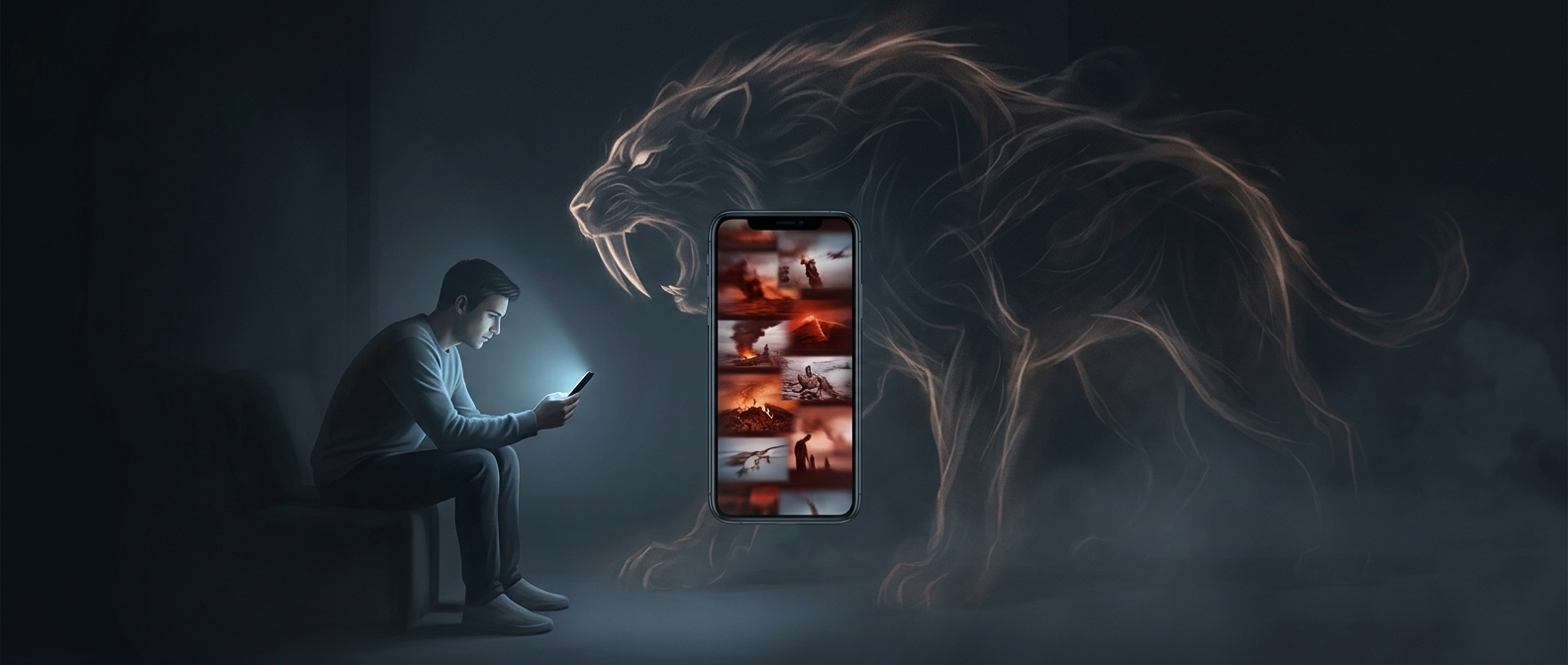
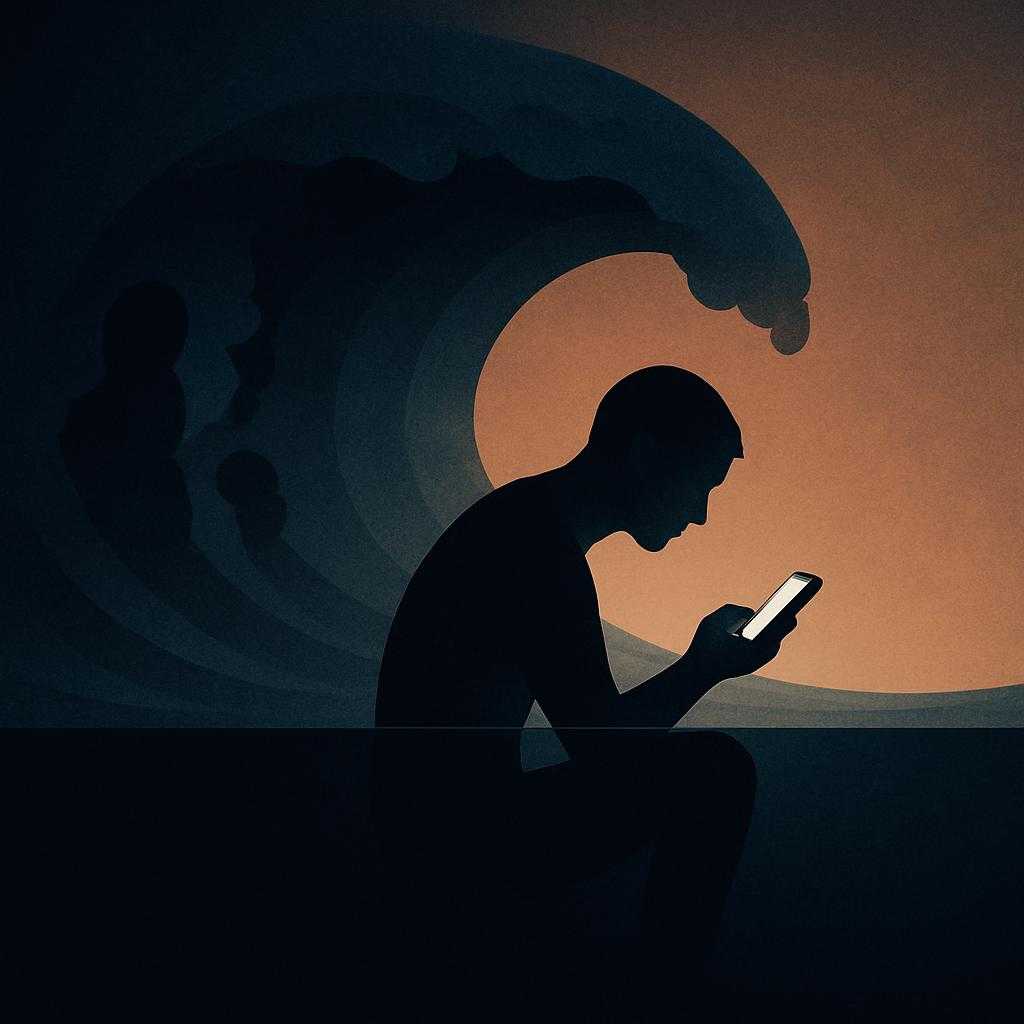
The bias most closely tied to doomscrolling is negativity bias: the tendency for threatening or unpleasant information to command more attention than equally vivid positive information. A disturbing post can feel more urgent than a reassuring one, even when neither is especially useful to you.
That pull has a practical logic. Missing a possible danger can seem costlier than spending a little extra time checking it. So when a feed surfaces alarming headlines, arguments, or warnings, each new item can feel like something you should understand before you stop. The result is a stream of small decisions to keep looking—not necessarily a deliberate choice to spend an hour online.
Why the Feed Can Make the Loop Hard to Break
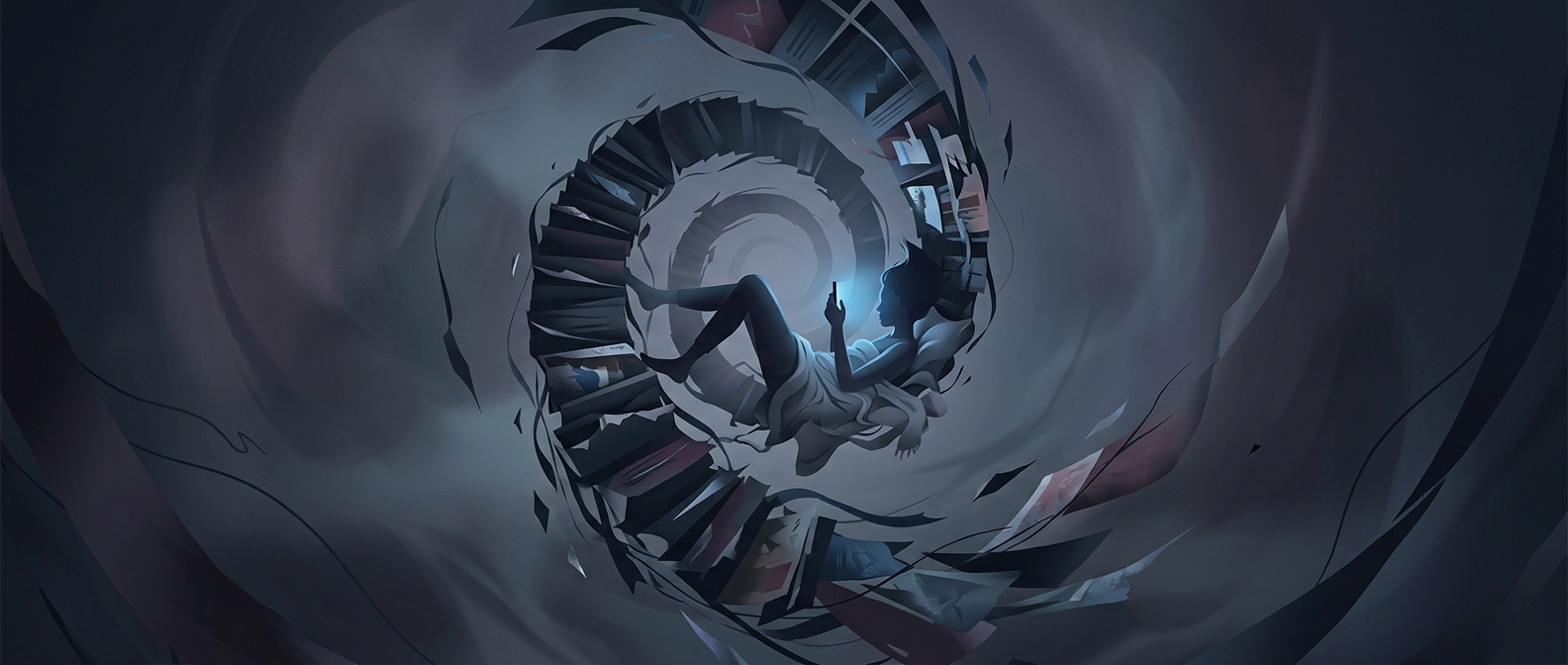
Negativity bias helps explain why grim material catches the eye, but it is not the whole mechanism. Social feeds offer a changing mix of posts: the next swipe might bring an update, an explanation, or another startling claim. That uncertainty can encourage continued checking, much like repeatedly looking for new information when a situation feels unresolved.
The two forces reinforce each other. Negative content raises the sense that there may be something important to learn; an endless feed keeps offering the possibility of a new piece of the story. Yet more scrolling does not always provide clarity. It can expose you to repeated or conflicting accounts, leaving the threat feeling larger while the original question remains unsettled.
That is why a time limit alone can be difficult to honor: the habit is often fueled not just by entertainment, but by the feeling that stopping means you might miss something consequential.